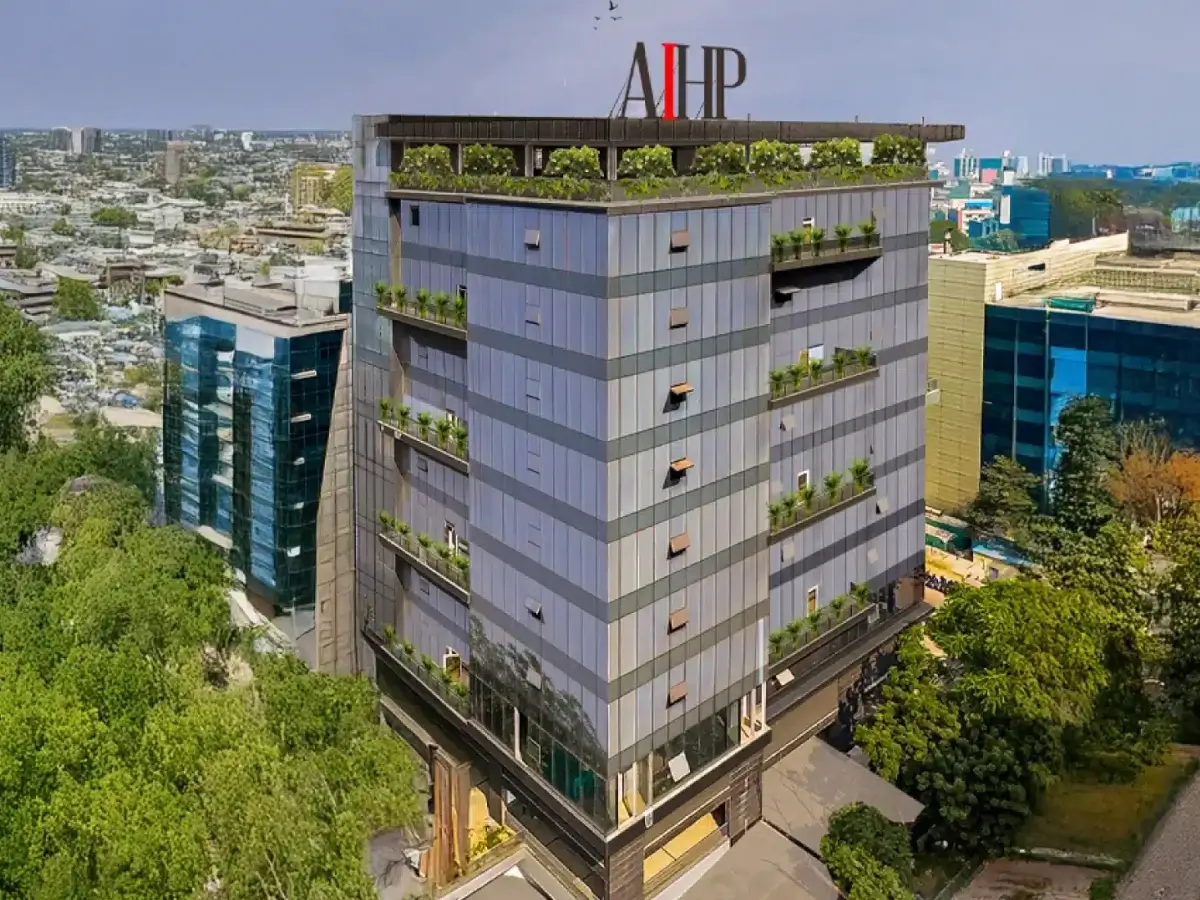
Every cycle has a moment that tells you where the market is headed. For Gurgaon, the signal has been the mega lease—large, multi-floor commitments by global names that anchor confidence, tighten prime vacancy, and set pricing for the next few quarters. Recent headlines around Google expanding footprint and IAI committing to a sizeable NCR presence have done exactly that: they have reset expectations on rentals, absorption, and how quickly quality supply gets spoken for. If you are planning your next move, it pays to understand what these landmark deals actually change.
What makes a lease “mega”—and why it matters
A mega lease is not just a big number on a press note. It is a package: large floorplates (often contiguous), long tenures, enterprise-grade infrastructure specs, and a delivery calendar that forces discipline across the vendor chain. When a blue-chip tenant crowds in, three things happen fast:
- Pricing finds a higher floor: Benchmarks in the same stack or park firm up.
- Vacancy compresses ahead of reported data: Pre-commits take out tomorrow’s “available” space.
- Investors lean in: Weighted certainty of cash flows attracts capital into the micro-market.
If speed to live matters for you, shortlist inventory in Udyog Vihar where the value-to-velocity equation still works; you can browse options via AIHP’s Udyog Vihar offices and map seats to hiring waves.

Case-study lens: reading the Google and IAI effect
Think of these leases as lighthouse events. A global cloud and AI leader taking space signals confidence in talent access, data connectivity, and building reliability. An aerospace/defence technology major locking a campus-style footprint tells you the ecosystem can support secure build specifications, vendor depth, and expansion headroom. The office news stream has tracked how these wins shift momentum toward Gurgaon’s prime corridors and NH8-adjacent parks.
In particular, Google’s latest commitment in Gurgaon—a multi-floor, enterprise-spec expansion aligned to its India cloud and AI roadmap—has become the quarter’s reference deal for benchmark pricing and pre-commit activity nearby. The move underscores how global tech is treating Gurgaon as a scale location rather than a satellite. You can read a concise breakdown here: Google’s massive office space lease in Gurgaon.
What shifts for landlords and tenants nearby
- Landlords: tighten renewal terms, prioritise capex for lobby upgrades, and advance fit-out readiness to catch follow-on demand.
- Tenants: accelerate shortlists, reserve expansion rights, and accept modest rent premiums to secure calendar certainty.
Rentals: from prints to practice
Sticker rents move slowly, effective rents move first. With mega tenants anchoring stacks, you’ll see fewer incentives, quicker escalations baked into term sheets, and stronger handover schedules. City-level dashboards such as MarketBeat India help you triangulate how quickly these patterns translate into the printed numbers for Gurgaon (GLV, vacancy, rent growth).
Practical takeaway: in a tightening window, speed beats shaving a few rupees per sq ft. Four weeks earlier go-live usually outperforms a marginal rent win nine months later.
Vacancy: why it tightens before the reports say so
Mega leases typically include pre-commits on adjacent blocks and rights of first refusal on upcoming floors. On paper, vacancy looks available; in reality, it is already spoken for. That is why experienced occupiers:
- Secure expansion options in the same building,
- Keep a 10–15% flex buffer for project spikes, and
- Choose a single accountable partner for design–build–tech–ops so dates hold.
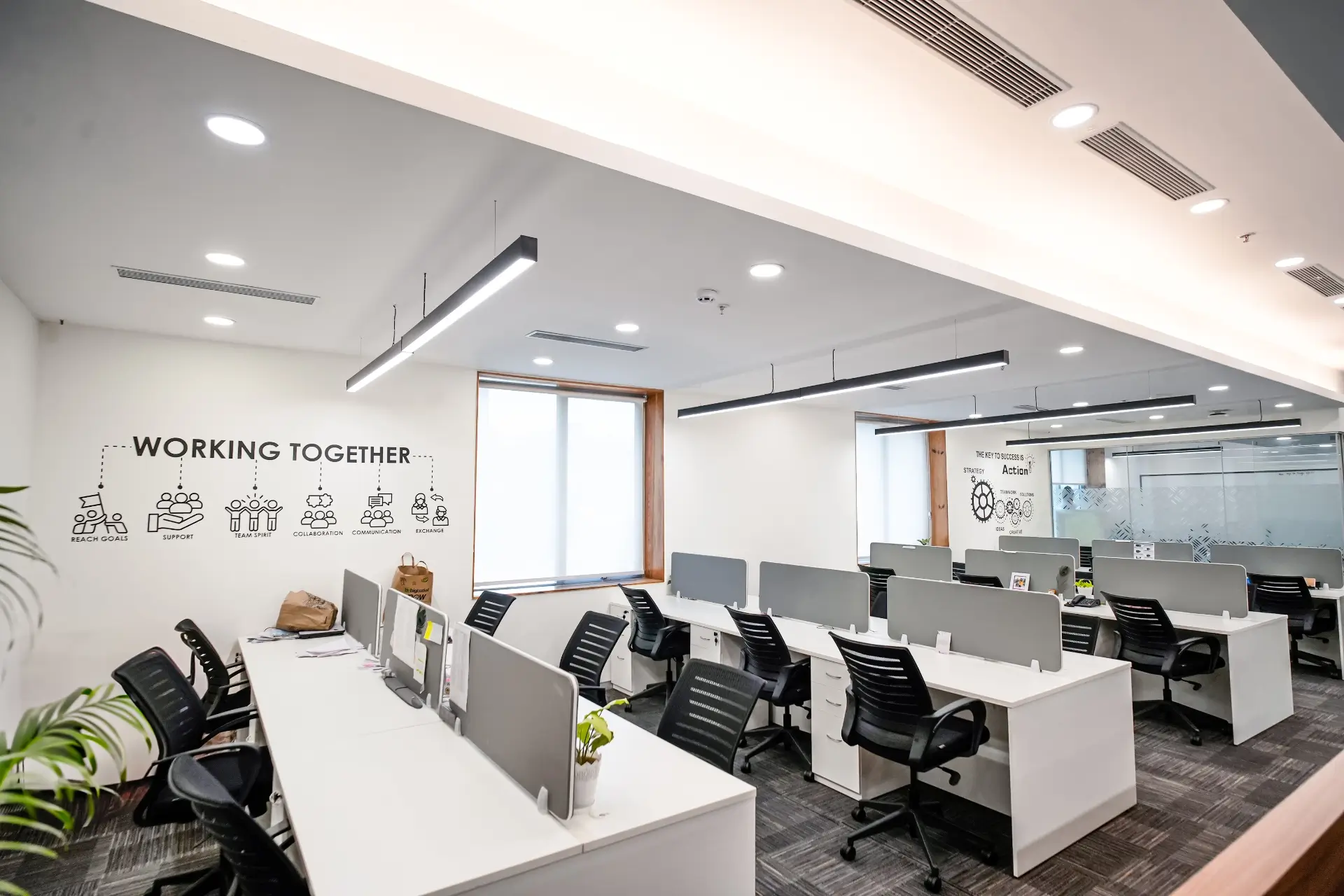
If you want a calendar-first route with one monthly invoice, start with managed offices in Gurgaon by AIHP and benchmark a 60–90 day path against a traditional fit-out.
Investor confidence: yield is a story of certainty
Capital follows certainty. When global tenants bet on Gurgaon, underwriting becomes simpler: cash flows look safer, exit velocity improves, and refurbishment capex is easier to justify. For a national pulse that frames Gurgaon’s upswing within India’s record leasing year, track the rolling reads in JLL India research and compare how H1/H2 prints spill into NCR pricing and absorption expectations.
Micro-markets: who benefits first
- Cyber City: prestige, transit, and client-facing floors; renewals and pre-commits soak up quality early.
- Udyog Vihar: speed and value with NH8 visibility; ideal for teams that want enterprise adjacency without Cyber City pricing.
- Golf Course Road / Extension: polished front-of-house, amenity-rich towers; strong pull for advisory and tech-enabled services.
- SPR / Dwarka Expressway belt: new Grade-A stock and campus-scale options coming online.
How to act in a mega-lease market (five-step playbook)
- Tour two sub-markets at peak hour; judge commute by time, not distance.
- Block expansion rights (first right/refusal) as part of the main term sheet.
- Pick the delivery path early—turnkey managed vs. traditional build; avoid multi-vendor drift.
- Align room mix to work: more two-to-four-seater rooms and a few medium rooms with dual screens reduce meeting friction.
- Lock service levels (uptime, handover dates, remedies) before you sign.
If you already have target dates, we can map seats to milestones and vendors week-by-week. Begin the conversation on the AIHP contact page and get a delivery calendar tied to hiring sprints.
Conclusion
Mega leases from names like Google and IAI do more than fill floors. They reset pricing psychology, compress usable vacancy, and send a clean signal to both capital and talent that Gurgaon is where growth wants to sit. For occupiers, the winning strategy is simple: move early, buy optionality with expansion rights, and choose a partner who owns the calendar.
Rent Office Space in Gurgaon. Get in touch with AIHP today.