Return-to-office is no longer a memo—it’s a design brief. Across NCR, leadership teams are asking for spaces that bring people together on anchor days without wasting seats on the quiet days. Gurgaon, with its dense grid of clients and talent, is benefitting most from this shift. The result: smaller but smarter footprints, collaborative hubs near transit and NH8, and fit-outs that make hybrid meetings feel natural, not forced.
The signal in the data
Quarterly reads from NCR leasing trackers show activity broadening beyond one-off renewals. India’s office momentum has stayed firm through H1, and in Gurgaon you can feel it on the ground—faster decision cycles, earlier pre-commits, and more projects that launch floors in phases rather than all at once. For a clean baseline on hybrid work adoption and its impact on leasing, the rolling studies in JLL India’s research are a good reference, especially when planning seat ratios and anchor-day loads.
What occupiers are asking for now
Right-sized footprints. Most briefs favour a core of permanent desks plus a buffer of bookable seats. The aim is simple: avoid paying for empty chairs on low-attendance days while keeping peak days comfortable.
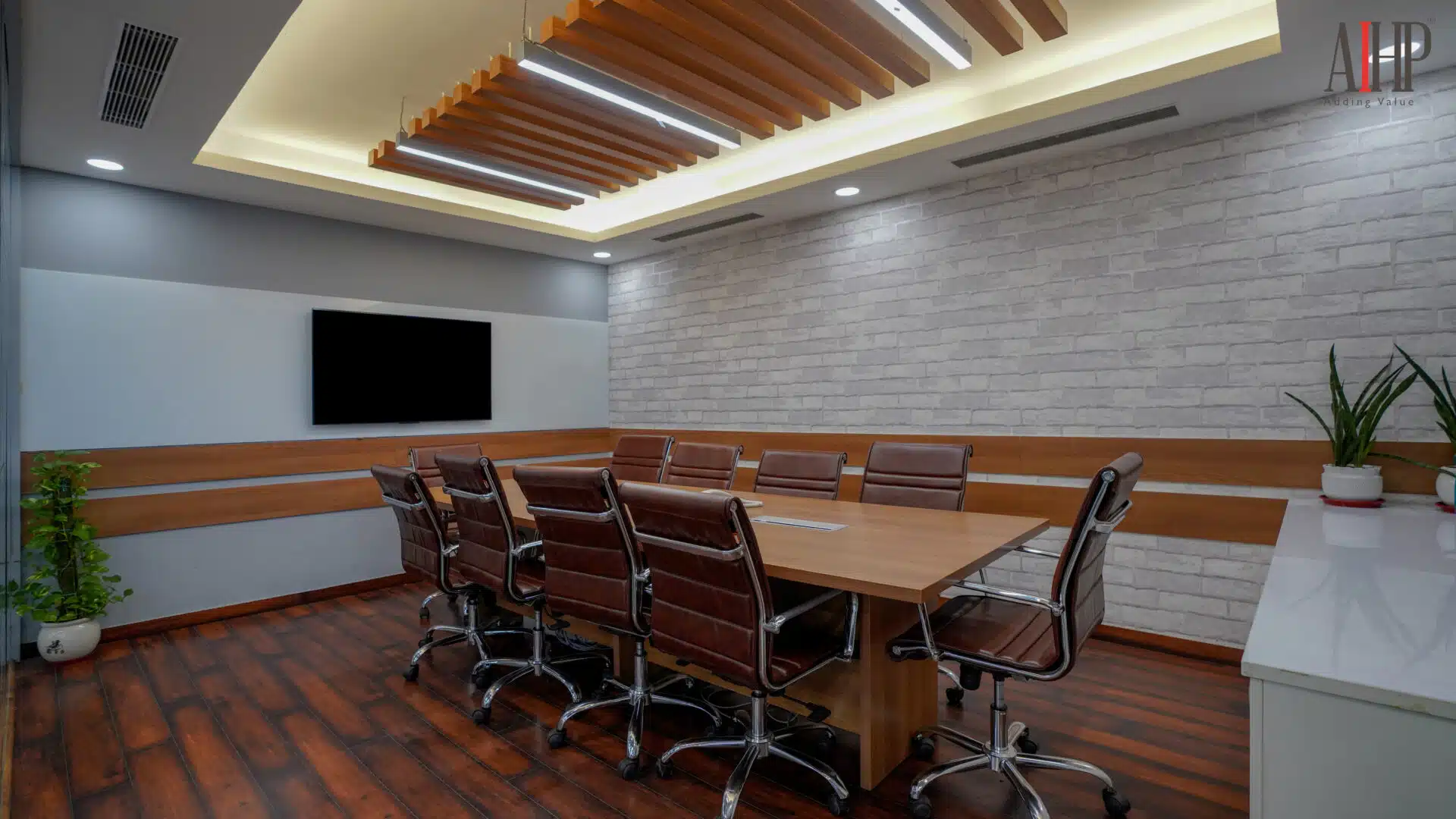
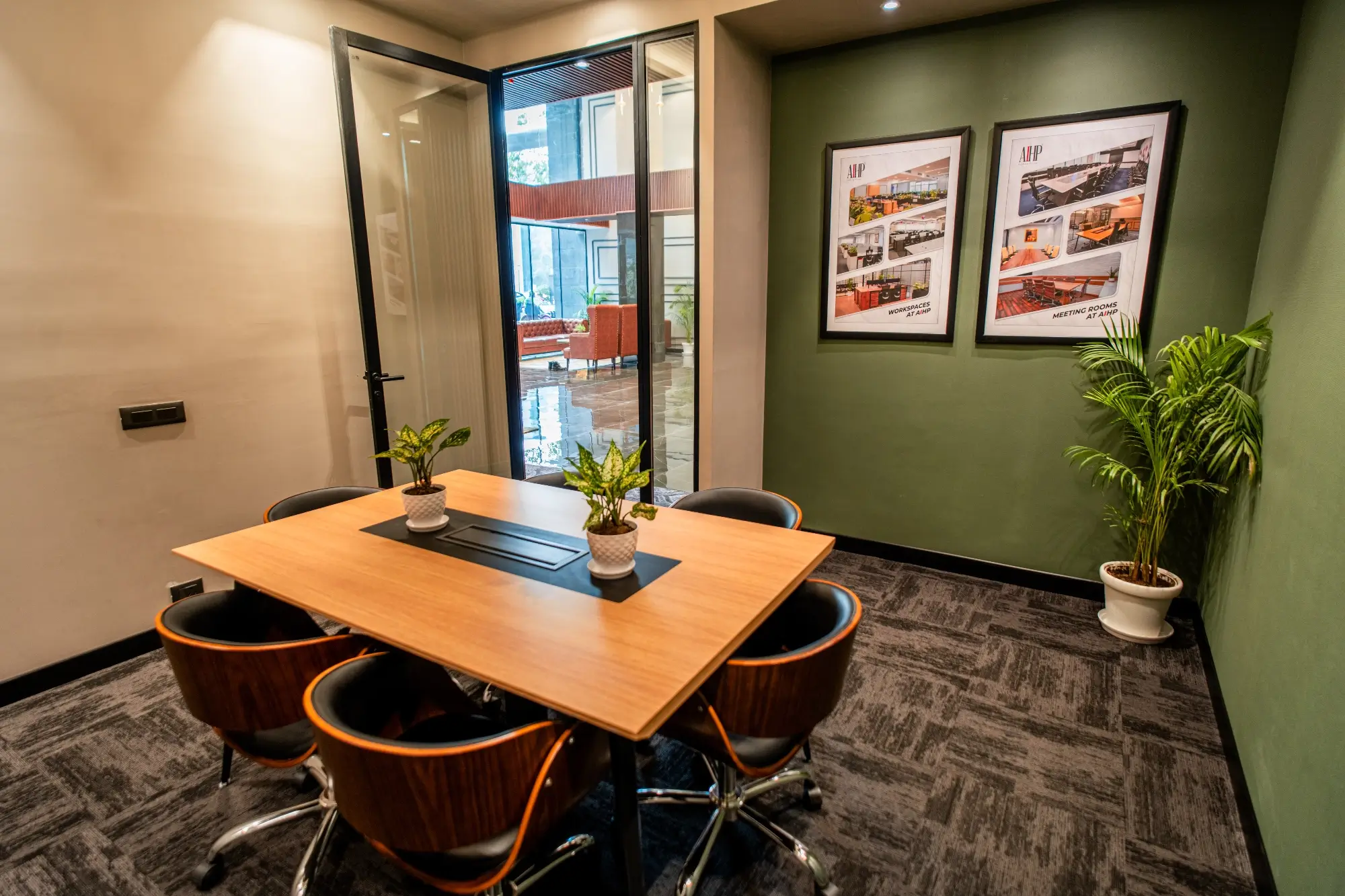
Collaboration over excess. Fewer big boardrooms; more two-to-four-seater rooms, focus pods, and a handful of medium rooms with dual screens and people-framing cameras so remote colleagues feel present.
Calendar certainty. Speed to go-live matters more than ever. Teams want spaces that can start in 60–90 days, then scale in place as hiring lands.
If you want to balance value and velocity on NH8, shortlist Udyog Vihar offices by AIHP and map seat waves to real hiring, not guesses.
Micro-markets: where hybrid plays best
- Cyber City: Client-facing addresses, early renewals, and reliable transit. Great for leadership and sales hubs.
- Udyog Vihar: Strong value-to-speed equation; ideal for product, support, and transition teams that need dependable uptime.
- Golf Course Road / Extension: Amenity-rich towers for advisory, design, and partner-facing work.
- SPR / Dwarka Expressway belt: New Grade-A supply with room to expand without changing pin codes.
For teams that prefer one accountable partner across design, build, tech, and ops, compare a turnkey path via managed offices in Gurgaon by AIHP against a traditional multi-vendor build.
Floorplates and fit-outs for hybrid
Hybrid floorplates do three things well:
- Protect focus with phone pods and small rooms near busy teams.
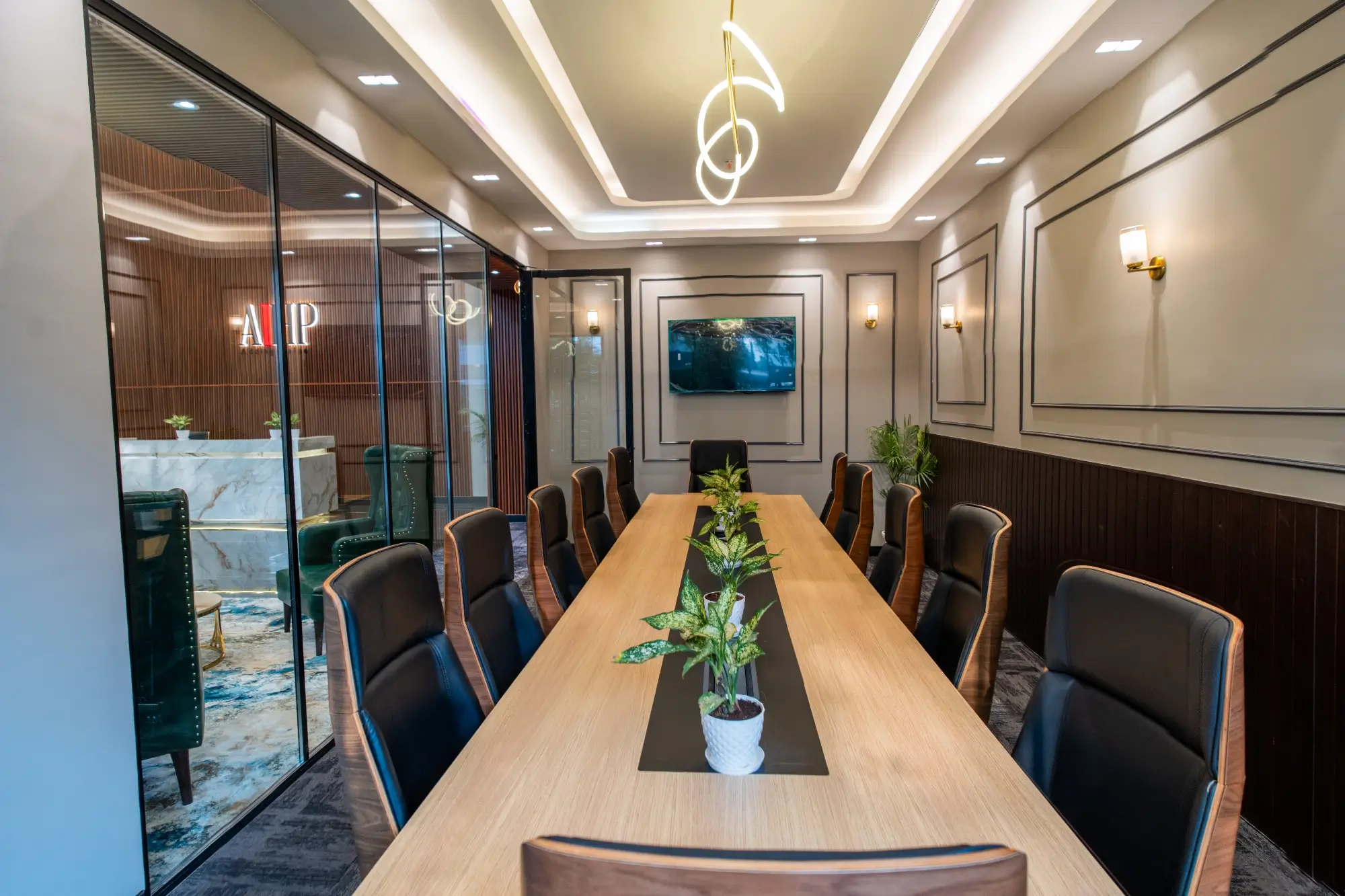
- Make hybrid meetings effortless with dual screens and good microphones in medium rooms.
- Keep movement smooth—clear wayfinding, storage tucked away, and collaboration zones that don’t drown the floor in noise.
City-level dashboards such as Cushman & Wakefield’s MarketBeat India are useful for tracking how these preferences show up in Gurgaon’s GLV, sector mix, and vacancy prints.
Pricing and timelines in a hybrid-first quarter
Prime vacancy in Gurgaon has tightened, pushing effective rents up faster than headline rates as incentives shrink and handover schedules firm. Near-prime corridors are firming too, helped by occupiers who value speed over chasing a marginal rent win. To keep the model honest, benchmark availability and rent curves against the rolling NCR reads in CBRE India’s insights and plan your move with an expansion right in-building.
A practical checklist for Gurgaon rollouts
- Tour two sub-markets at peak hour; judge by commute time, not distance.
- Lock expansion options in the same building to avoid mid-year moves.
- Start with one pilot room—fix audio first, then add people-framing and dual screens.
- Hold a 10–15% flex buffer for project spikes rather than over-leasing.
- Insist on a week-by-week delivery calendar with remedies for slippage.
If dates are tight and you want one monthly invoice, begin the conversation on the AIHP contact page and align a 60–90-day start with your hiring plan.
Conclusion
Hybrid work isn’t shrinking the office—it’s reshaping it. Gurgaon’s advantage is simple: decision-makers, partners, and talent sit close, so well-designed hubs punch above their size. Get the mix right—small focus rooms, a few great hybrid rooms, and reliable services—and you’ll convert anchor days into momentum while keeping costs disciplined.
Design your hybrid-ready office with AIHP. Start with a realistic floor plan, a fast delivery calendar, and a pathway to scale as the team grows.