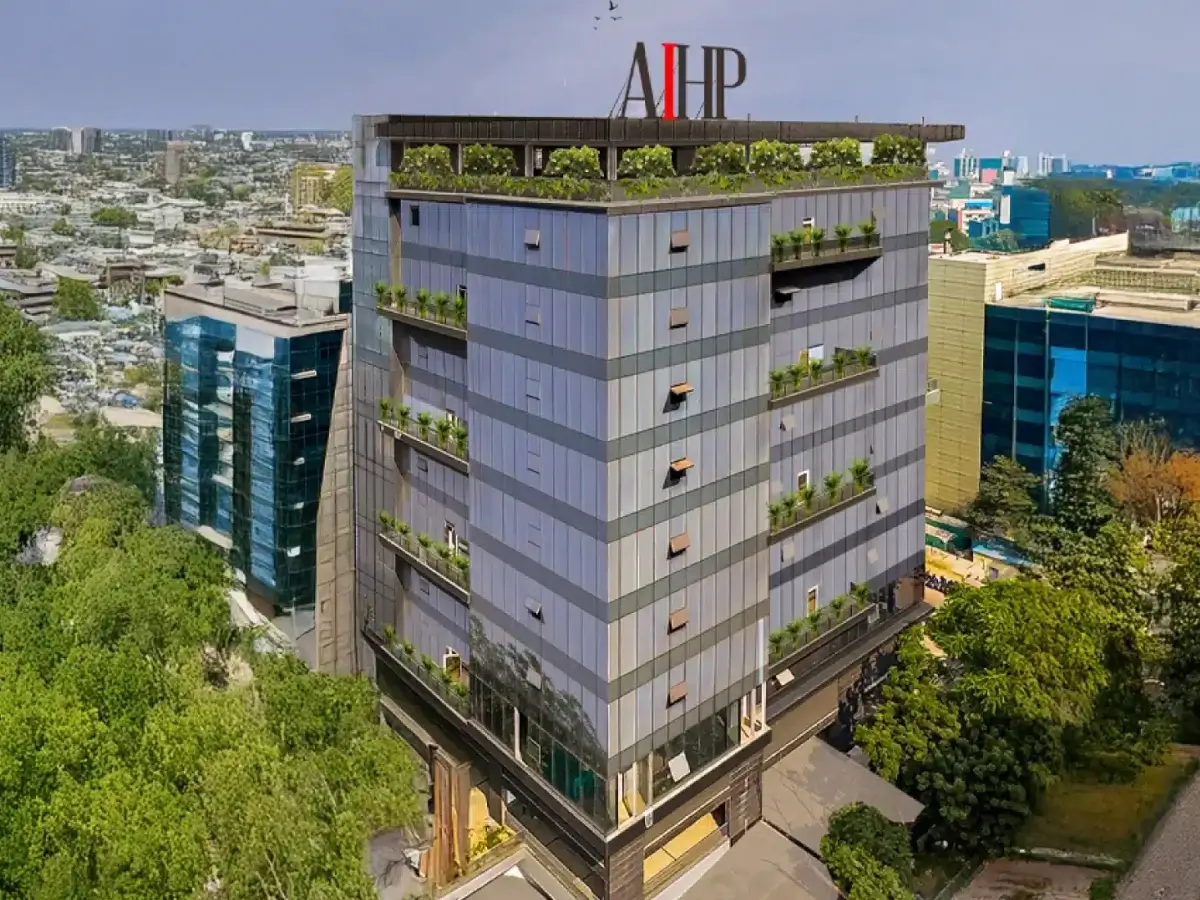
Every cycle throws up a corridor that changes the map. In Gurgaon right now, that corridor is Southern Peripheral Road (SPR). Projects have piled in, infrastructure is upgrading, and site tours have moved from “let’s keep an eye on it” to “let’s shortlist it.” If you’re planning a 2025–26 rollout, SPR is where value, speed, and address credibility are converging.
Why SPR is drawing big capital
Two things are moving in tandem: large project pipelines and improving access. Recent coverage shows projects worth about ₹1 lakh crore either launched or in the near-term pipeline along SPR—half already in motion since 2022, the rest expected over the next few years. That kind of capex changes leasing math because it brings better buildings, stronger amenities, and a steady flow of occupiers. For a clean snapshot of the scale and timing, see the Times of India’s deep-dive on SPR’s ₹1 lakh crore pipeline, which also tracks five-year pricing trends along the corridor.
What that means for office demand
Big residential and mixed-use bets pull retail and daily-life services; offices follow when commutes get easier and neighbourhoods feel complete. As Economic Times notes in its micro-market roundup, SPR has become one of the region’s most active corridors, with projects worth ₹50,000 crore launched since 2022 and another ₹50,000 crore lined up—a sequence that typically precedes faster absorption of Grade-A offices.
Practical takeaway: expect lease-up to accelerate first near Vatika Chowk and Golf Course Extension interfaces, then along stretches tied closely to NH48 and Dwarka Expressway connectors. If you want a single accountable partner for design-build-tech-ops on a fixed calendar, compare a turnkey route via AIHP’s managed offices in Gurgaon against a multi-vendor build.
Micro-market map: who should shortlist SPR (and where)
- Tech and product teams that need 60–90 day starts without sacrificing reliability.
- Advisory and services groups that want client-ready floors with amenity depth.
- Scale-up startups moving from co-working to controlled, brand-forward space.
SPR’s anchors are simple: east–west connectivity, proximity to Golf Course Extension and NH48, and improving last-mile. For portfolio heads mapping seat waves, start with a value-to-velocity compare across Cyber City, Udyog Vihar, GCER—and SPR—then model commute time at peak hour, not distance. When you’re ready to translate that plan into rooms, scope a build on AIHP to pressure-test timelines and service levels.
Rentals, vacancy, and timing
When corridors mature, effective rents (after incentives and fit-out support) usually firm before headline prints do. Vacancy tightens in pockets where pre-commits remove “available tomorrow” space from the market. A useful cross-check on how quickly numbers are moving is Moneycontrol’s area watch on SPR, which tracks the interplay between infrastructure (like the elevated corridor), pricing, and absorption momentum.
What to watch next:
- Buildings within a 5–10 minute peak-hour reach of GCER and NH48 on-ramps.
- Managed floors that can start in one quarter and scale in-building.
- Developers advancing lobby/arrival upgrades and dual-screen hybrid rooms as standard spec.
What an SPR-ready office looks like now
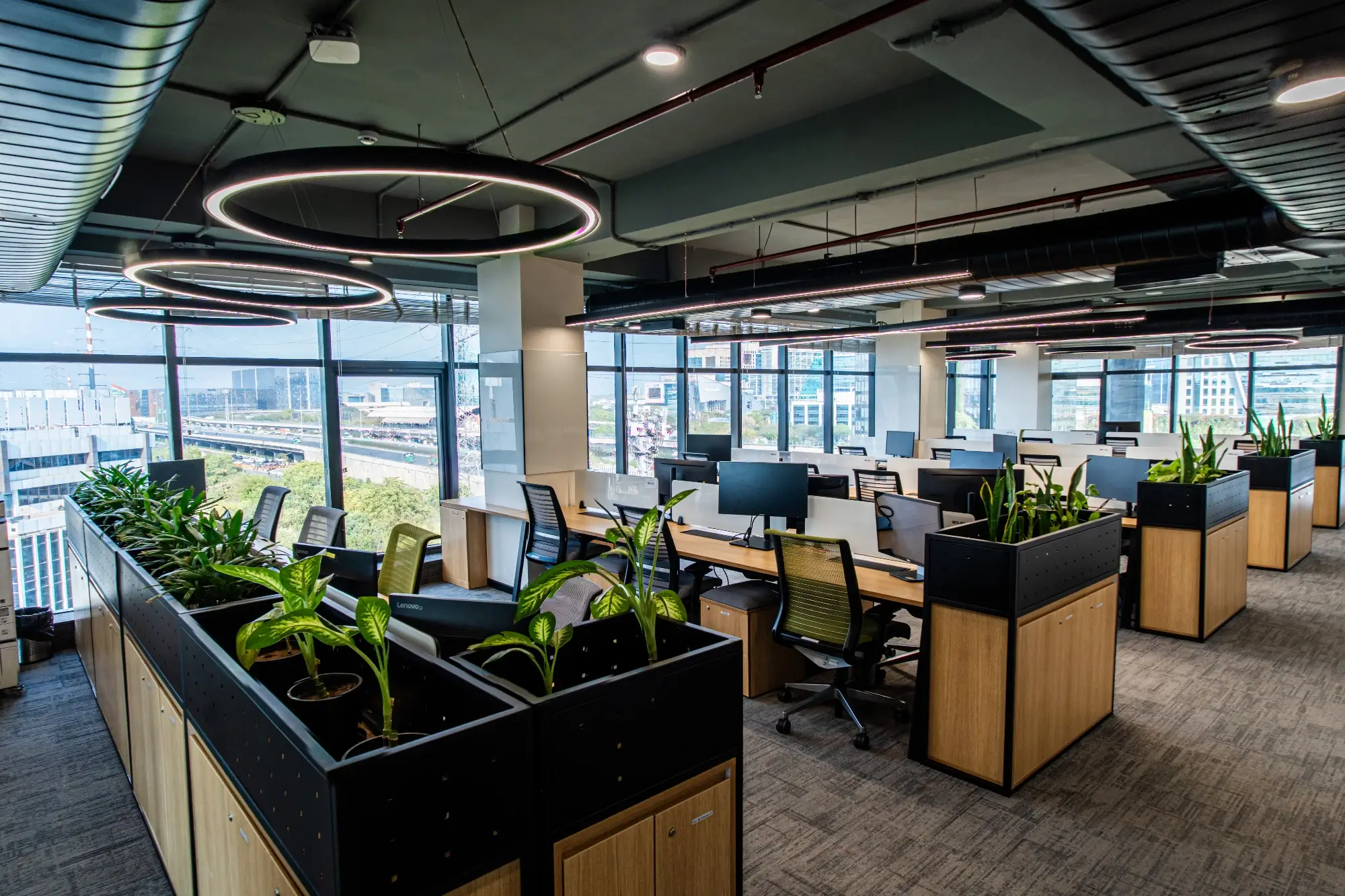
- More small rooms, fewer oversized boardrooms—because hybrid weeks need huddle capacity.
- Medium rooms with dual screens and people-framing audio—so remote colleagues stay “in the room.”
- Acoustics and uptime first, finishes second—because call quality and reliability drive real productivity.
- Wayfinding and guest flow that make client visits smooth from curb to conference.
If you prefer one accountable vendor across the chain, start with AIHP’s Gurgaon portfolio to see how design, build, tech, and ops roll into a single calendar and invoice.
How to act: a five-step playbook
- Tour two SPR sub-pockets at peak hour and log real commute times from your hiring clusters.
- Block expansion rights in-building; regret #1 is losing the floor next door.
- Choose your delivery path early—turnkey managed vs traditional build—so dates don’t slip.
- Hold a 10–15% flex buffer for project spikes; don’t over-lease on day one.
- Insist on week-by-week milestones for handover, AV readiness, and hybrid room commissioning.
When you want to translate this into a delivery plan, see available AIHP options near SPR and we’ll map a week-by-week path tied to your hiring and client calendar.

Conclusion
SPR has crossed the line from “emerging” to “happening.” Big-ticket projects have committed capital, access is improving, and the leasing flywheel is starting to spin. For occupiers, that means more high-quality choices at timelines that match growth. For investors and landlords, it means clearer pricing power in the best-located assets. If Gurgaon is your city, make room for SPR on the shortlist—and move early to buy optionality.