Walk the better towers in Gurgaon today and you will see two kinds of “Grade-A.” One looks shiny but behaves like yesterday. The other quietly runs like a service. Lights adjust to occupancy. Rooms book without fights. Hybrid calls do not melt down at 9:45 a.m. Water, air and energy are measured, not guessed. That second kind is where the premium gap is opening up. Demand is chasing green and smart stock, and effective rents are firming first where performance is real. This guide breaks down what is driving the gap, which corridors benefit first, and how to buy speed and certainty without overpaying.
What is driving the premium gap
Three forces are pulling in the same direction.
1) Proof over promises
After a few heavy monsoon cycles, occupiers reward buildings that stay operational. The checklists tenants carry now come straight from certification and performance playbooks. If you need a yardstick, the guidance and case studies around LEED are a practical starting point because they turn “green” from a poster into maintainable systems. You can browse the Indian context on USGBC’s LEED pages and use it to shape RFP questions that landlords must answer in numbers, not adjectives.
2) Flight to usable quality
Enterprises are shrinking waste while improving in-office days. This favours floors with the right room mix, clean arrival, and a digital layer that keeps things moving. City dashboards tracking NCR show how absorption leans toward newer, high-spec assets during growth quarters. A good quarterly lens is JLL India Office Market Dynamics, which explains why Grade-A with real amenity and tech depth clears first.
3) Speed is part of price
In busy quarters, tenants pay for calendars that hold. Floors that can start in 60–90 days beat cheaper shells that need months of work. That is where a single accountable operator who owns design, build, tech and daily ops wins decisions. If you want to compare this path against a traditional route, map it to AIHP’s managed offices in Gurgaon and measure in weeks, not only rupees.
Where the gap shows up first in Gurgaon
Different corridors show the same behaviour with local flavour.
- Cyber City: prestige plus performance. Renewals and pre-commits make incentives tighten early where hybrid rooms and arrival are already proven.
- Udyog Vihar: the value-to-speed zone. Adjacent to NH8 and enterprise neighbours, it benefits as managed inventory bundles green upgrades with reliable handovers. If you are shortlisting here, anchor your tour around Udyog Vihar to align commute, vendor depth and last-mile reality.
- Golf Course Road and GCER: amenity-rich, client-facing setups. Floors that combine performance data with polished arrival earn a modest but durable premium.
- SPR and Dwarka Expressway belt: newer Grade-A with campus-style options. Early movers secure expansion rights before the dashboards catch up.
For a citywide snapshot of vacancy and effective-rent trends you can layer on your tours, the Gurgaon pages inside Cushman & Wakefield MarketBeat India are a useful cross-check.
Green means resilient, not decorative
“Green” pays back when it keeps the office open and comfortable. Focus on four truths:
- Envelope and air. Better glass, shading and filtration reduce fatigue and complaints.
- Lighting tied to occupancy. Lower bills and fewer dark corners on late evenings.
- Water and drainage discipline. Basements and lift lobbies that stay dry in tough weather.
- Data you will actually use. Quarterly energy and utilisation reports that guide tweaks before problems become cultural.
Buildings that can show these with real numbers get shortlisted more often and negotiate from strength.
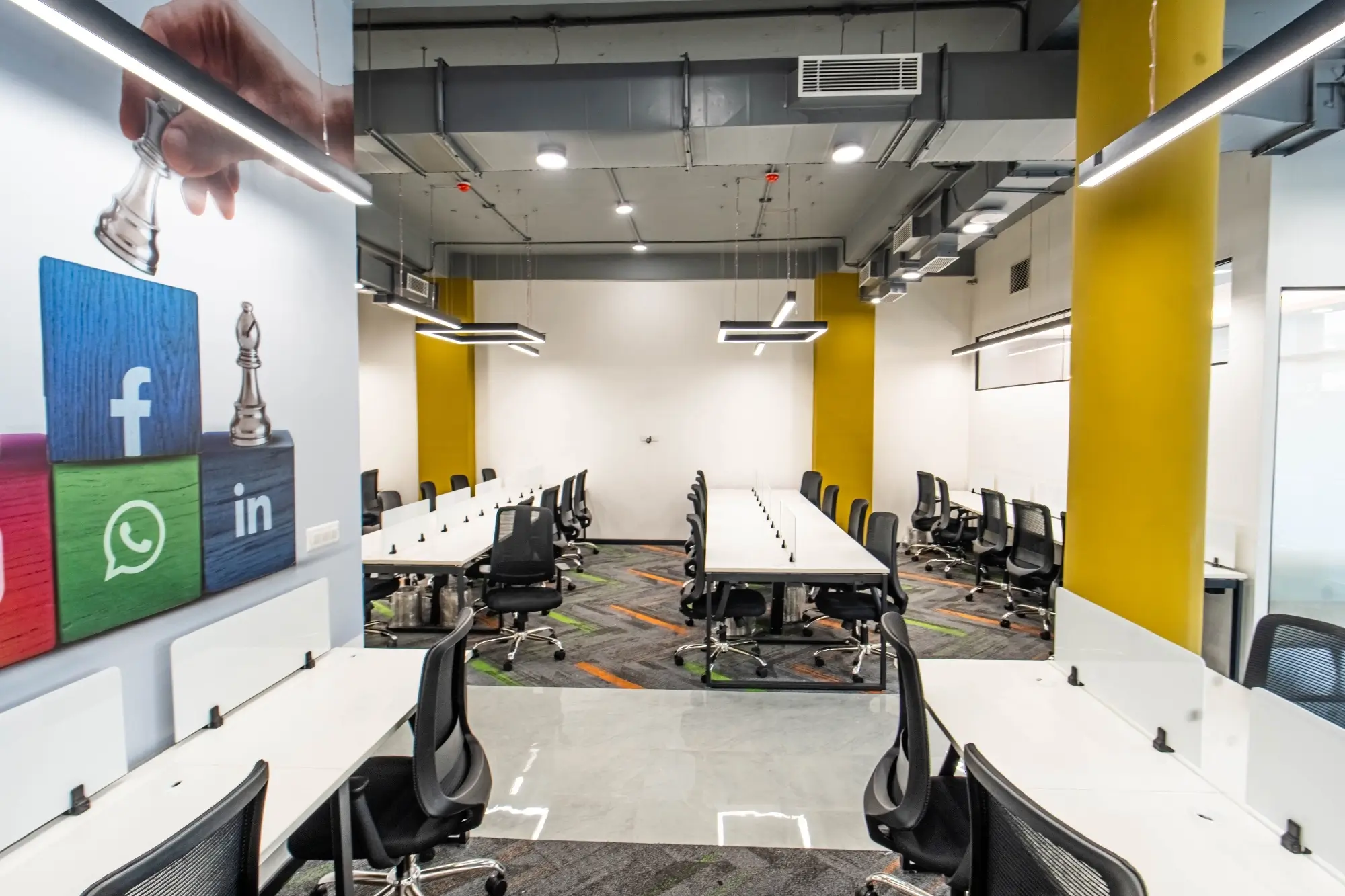
Smart means the office runs itself on anchor days
Smart is not a gadget wall. It is a floor that behaves.
- Access that works at peak hour without queues.
- Booking that people trust so they stop hoarding rooms.
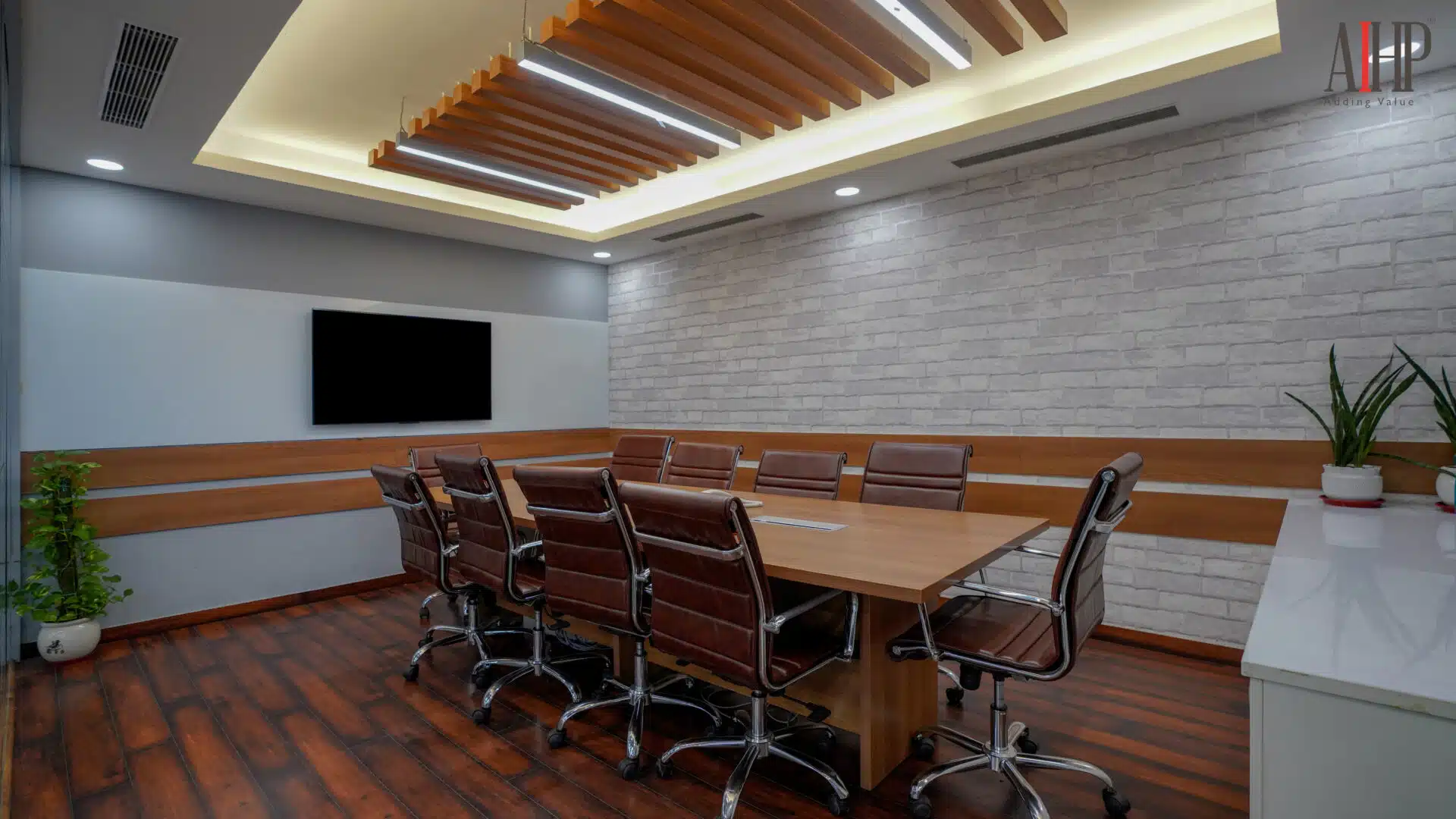
- Hybrid rooms that just work with dual screens and people-framing audio.
- Wayfinding and lift logic that cut the chaos your guests remember.
When these are standard, team energy goes to work, not fixes. That is why smart floors command a steadier premium than “new but manual” ones.
How to evaluate a floor in 45 minutes
Carry this simple script on every tour.
- Run a real meeting in a commissioned hybrid room. If audio is clean and framing is natural, the rest is copy-paste.
- Ask for last quarter’s energy and uptime data. Numbers, not narratives.
- Walk the last 300 metres at peak hour. Judge time, not distance.
- See the network room and ask how cooling and redundancy are handled.
- Check expansion rights in-building. Your risk is a mid-cycle move if you skip this.
If a landlord or operator answers cleanly, your risk drops. If they dodge, assume calendar slippage.
Pricing and timing: how to buy the premium without overpaying
Sticker rents lag reality. Effective rents move first when incentives narrow and handovers firm up. Two rules help:
- If your go-live is in the next quarter, buy speed. One month of earlier revenue beats a tiny rate win.
- If you have room to wait, use the quarterly charts in JLL India Office Market Dynamics to time when a sub-market loosens and then negotiate for commissioning milestones, not generic dates.
A 30-day action plan for occupiers
Week 1: Fix non-negotiables: start date, hybrid room count, commute band, expansion rights.
Week 2: Tour two corridors at peak hour, shortlist three buildings, and run the 45-minute script above.
Week 3: Pilot one hybrid room on your preferred floor. Tune audio first, then screens.
Week 4: Choose delivery path. If speed is central, align a 60–90 day plan with a single accountable partner via AIHP’s managed offices in Gurgaon and put weekly milestones with remedies into the paper.
How landlords can capture the premium
- Make arrival and hybrid rooms baseline, not upgrades.
- Publish quarterly energy and uptime snapshots to build trust before negotiation.
- Offer a managed handover tier so serious tenants buy one service instead of six vendors.
- Design for options with vertical adjacency and a documented path to add 20–30 percent seats.
This is how Grade-A turns into grade that performs.
Conclusion
If you want a plan that holds dates and keeps the experience strong on anchor days, start where design, build, tech and operations live under one calendar. Compare a turnkey route against a traditional fit-out and see which gets you live faster. For context before you walk sites, our primer on Gurgaon’s 2025 shifts ties PropTech, green design and flex to real outcomes in top 5 Trends Shaping Gurgaon’s Office Market in 2025.
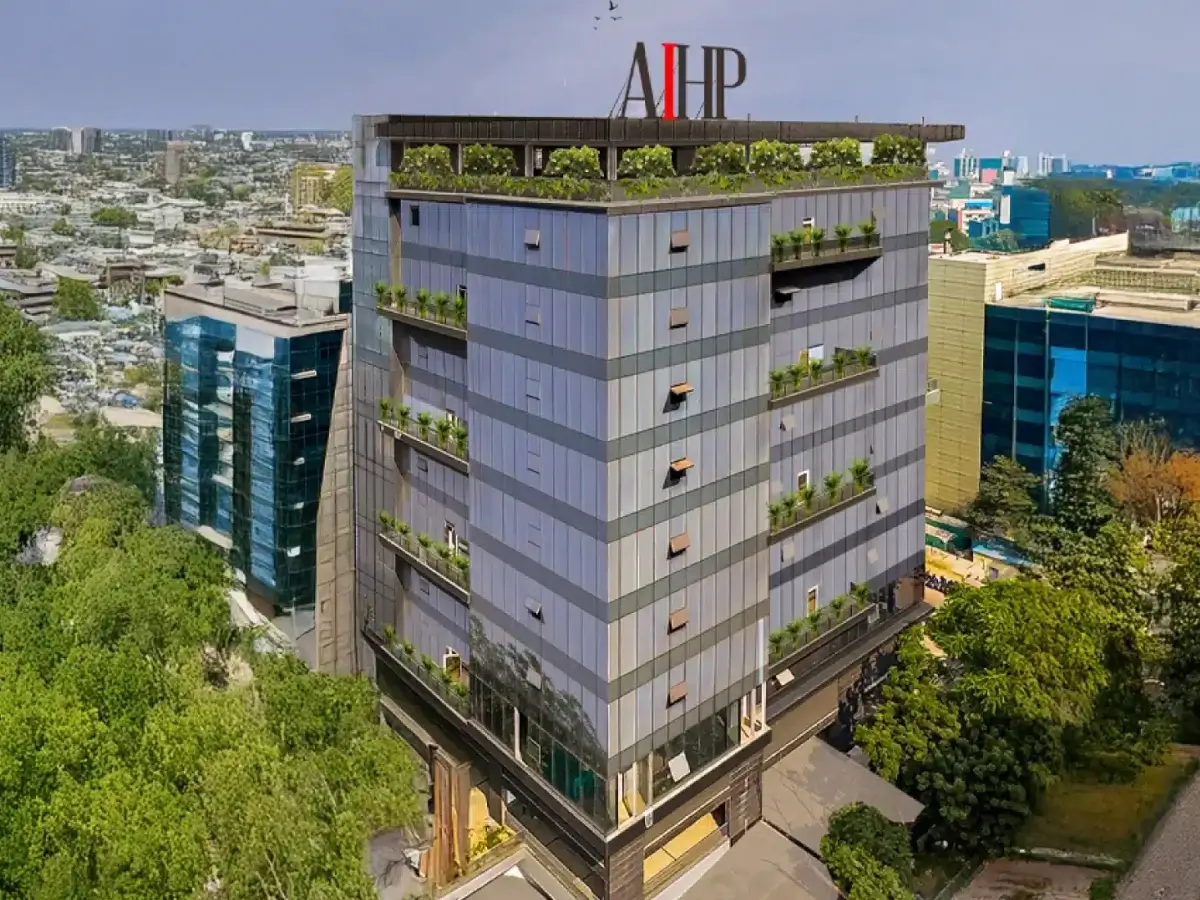
AIHP strives to create sustainable workspaces in Gurgaon. Two of our office towers are certified green buildings:
– AIHP Millennium is GRIHA 4-star certified
– AIHP Skyline is LEED Gold certified