Ask any HR leader what keeps them up at night and “hiring and retention” will be somewhere on top of the list. The office you choose is now a very real part of that conversation, not just a line item in admin or facilities.
Employees are spending more days in the office than most people anticipated after the pandemic. In fact, according to various surveys in India, companies are pushing teams towards at least a three-day in-office norm, and many have gone to office-first again.
The result is simple: your workspace is no longer just an address. It is part of the employee experience you are selling to current and future talent. This checklist is built from that lens – practical, HR-first, and grounded in what people feel day to day.
Why employee experience now drives office choice
Most employees do not talk about “Grade A stock” or “micro-markets.” They talk about:
- “How long will it take me to reach?”
- “Can I actually focus there?”
- “Is it worth dressing up and commuting for this?”
Real estate and HR surveys back this up. JLL’s Future of Work 2024 survey highlights how India is leading the “back to office” trend, with strong focus on workplace quality, sustainability and employee wellbeing.
CBRE’s 2024 India Office Occupier Survey also reports that occupiers are prioritising workplace transformation and wellbeing to get people back into physical offices.
HR cannot change city traffic or macro trends. But HR can push for the right building, right layout and the right partner so the office feels like a productive, supportive place to be.

The HR leader’s employee experience checklist
1. Location and commute experience
For most employees, the commute is the first “touchpoint” with your office. A great workspace with a painful commute will always feel like a bad deal.
As you shortlist options, look at:
- Time from key residential clusters at different times of day
- Public transport access – Metro, buses, shared cabs
- Last-mile options around the building
- Perception of the area – safe, active, well lit
For many companies, choosing office space in Sector 32, Gurgaon solves the “midway” problem between Delhi and new residential hubs around Sohna Road and Golf Course Extension. The same logic applies in other micro-markets – you need to balance prestige with lived reality.
2. Safe, welcoming arrival
Employees start forming an opinion long before they tap their access card.
When you visit a building, notice:
- Entry road, drop-off, footpath and signage
- Security check – firm but polite, not hostile
- Lobby design and upkeep
- Lift waiting times at peak hours
- Basic accessibility for people with disabilities
Try reaching at 9:30 am on a Monday, not at 3 pm when everything is empty. If you are evaluating managed office spaces in Gurgaon, ask for real client references and visit on a regular working day, not during some kind of ‘staged’ tour.
A small thing like a dark, cramped lift lobby or slow elevators can silently undo the effect of a beautiful office floor.
3. Layout, seating and zones
Employee experience is shaped by how the floor actually works during a normal day.
Look for a mix of:
- Focus zones for quiet, individual work
- Collaboration spaces for quick huddles and longer workshops
- Phone booths or small rooms for calls
- Informal corners for breaks that are not noisy cafeterias
An article in People Matters on office design and employee experience talks about the workplace as a “silent partner” in HR strategy, emphasising the role of zoning, comfort and autonomy in daily performance.
When you walk a floor, imagine a real Tuesday: back-to-back calls, a team sprint, one-on-one reviews, appraisal season. Is there enough variety and privacy to support that without constant friction?
4. Tech infrastructure and meeting readiness
Nothing kills morale like “Can you hear me now?” five times a day.
Key questions to ask your potential landlord or managed office partner:
- Is there dual-ISP or a strong redundancy plan for internet?
- How many meeting rooms per 100 seats and what sizes?
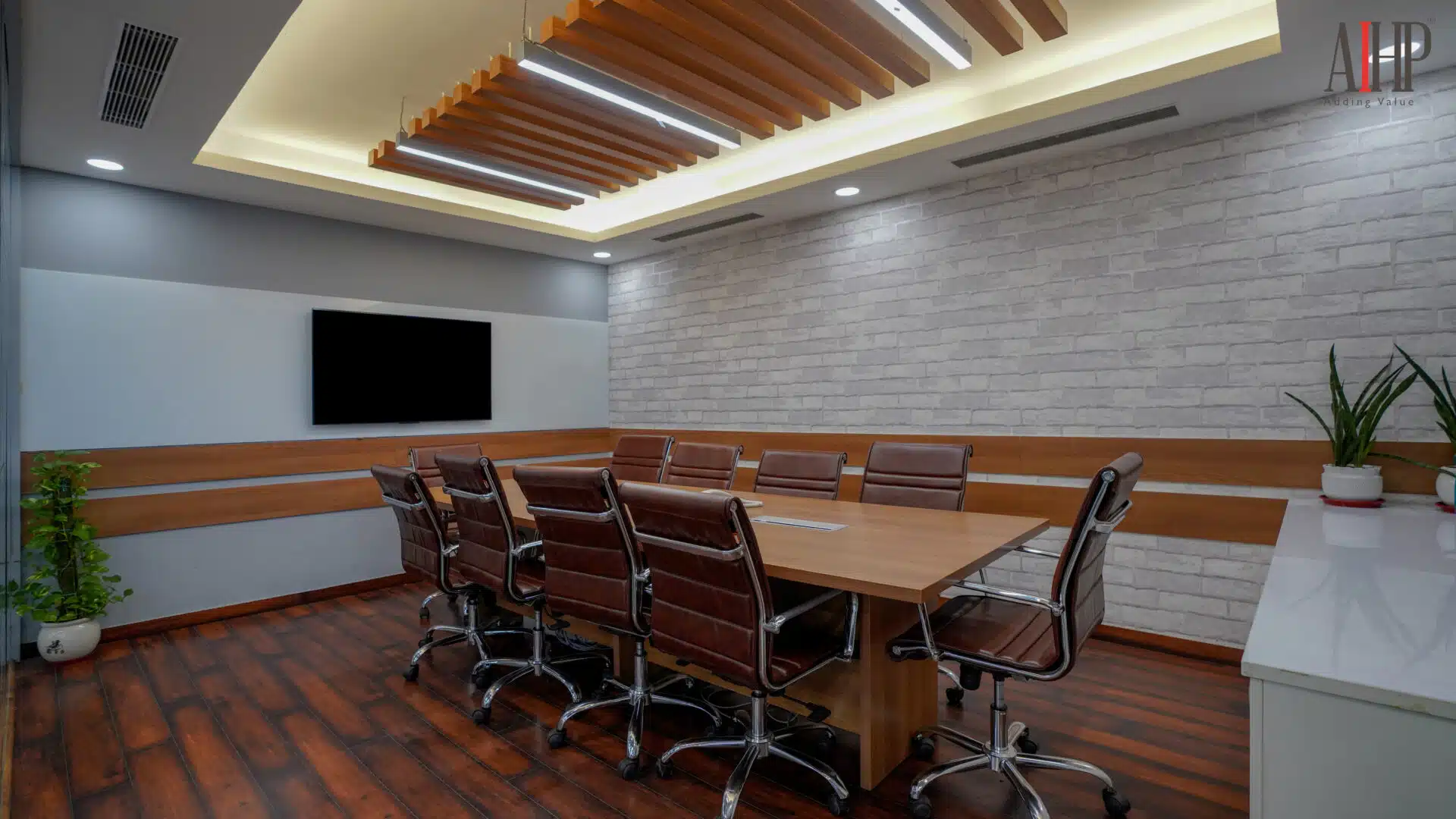
- Are rooms actually sound-insulated or just glass boxes?
- Are screens, VC equipment and booking tools integrated?
Run your own tests. Join a live video call from a meeting room. Walk across the floor on a call. Check mobile network quality in the lobby, cafeteria and washrooms too. Employees notice these things silently, especially your client-facing teams.
5. Comfort, wellness and biophilia
People do not always use the word “ergonomics,” but they feel it in their back, eyes and energy levels.
Look for:
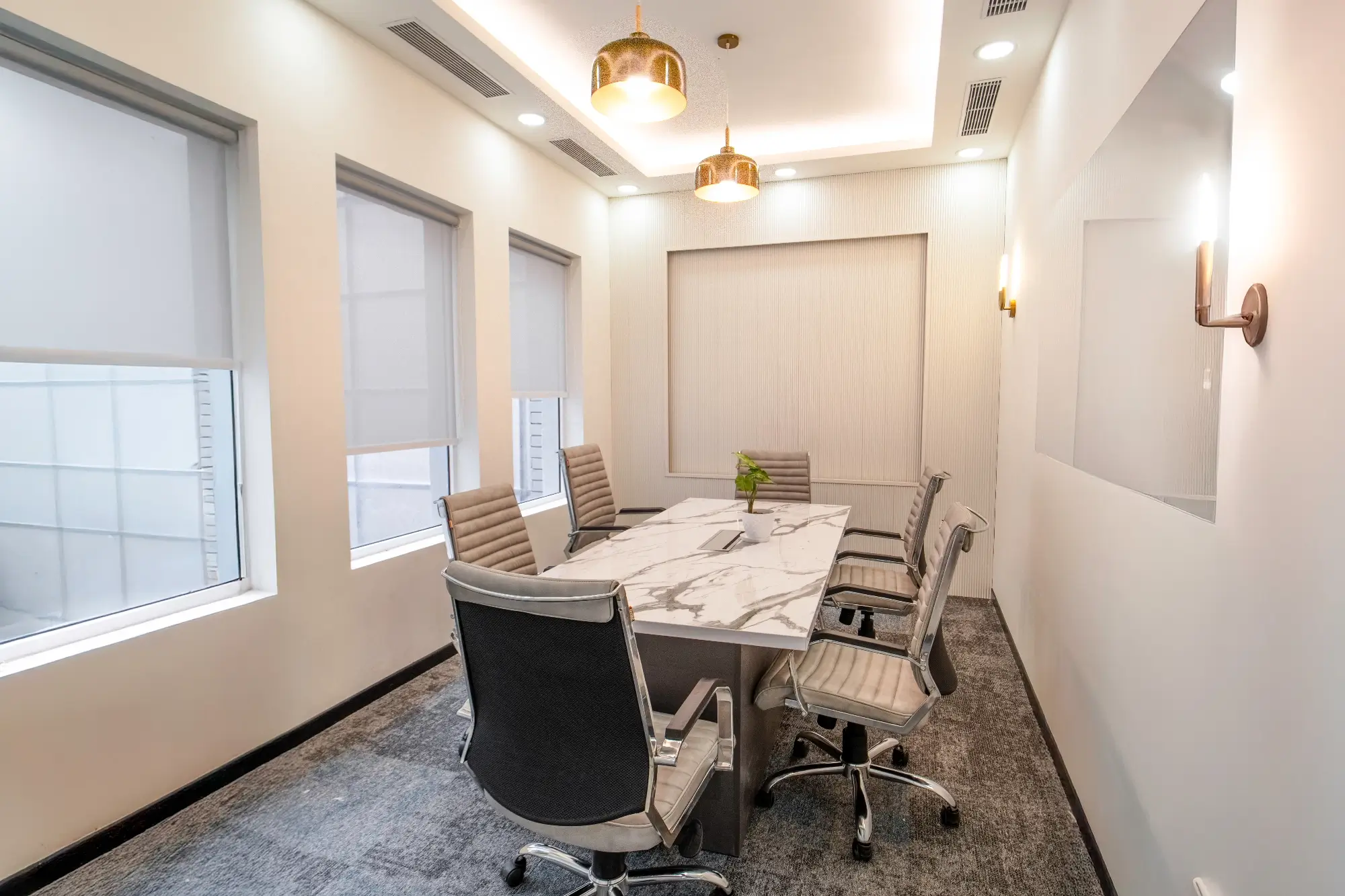
- Daylight and clear views instead of only artificial lighting
- Comfortable chairs and reasonably sized desks
- Good air quality, ventilation and temperature control
- Acoustic treatment so you do not hear every whisper
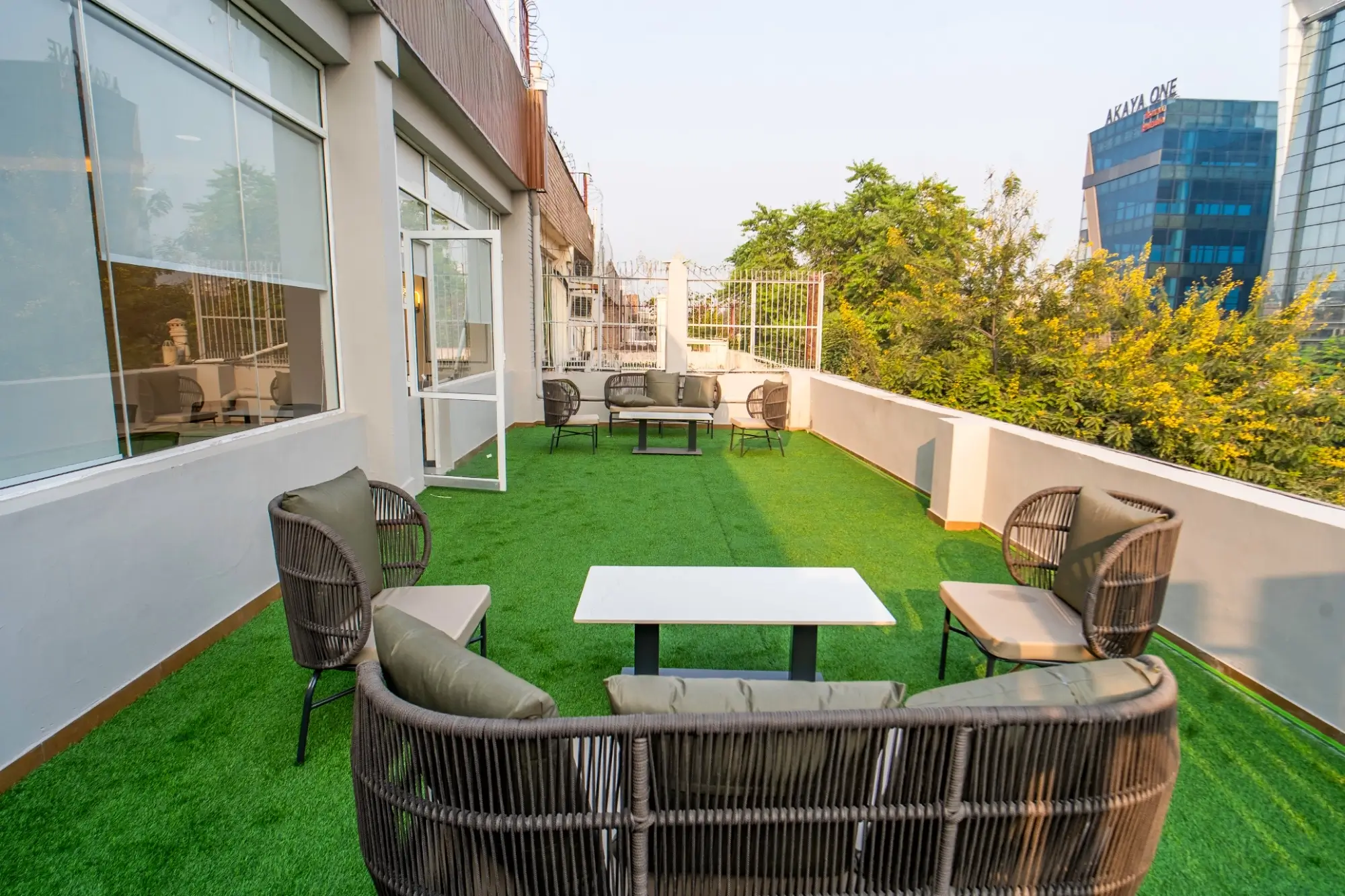
- Real plants and some connection to outdoors
Wellness is not only gyms and yoga rooms. Often, the combination of daylight, air quality and sound control matters more for how employees feel at 4 pm.
If your company has a strong ESG or wellness narrative, tie that into your selection criteria and show employees how the new space supports that story.
6. Flexibility and future growth
From an HR point of view, flexibility is not just lease terms. It is:
- Can we expand or contract without huge disruption?
- Can we reconfigure zones if the team structure changes?
- Can we add more collaboration spaces if our work style evolves?
Hybrid working will continue to evolve space utilization. Many occupiers are now planning for alternative desk-sharing ratios and a greater number of multi-purpose areas, rather than simply adding additional rows of workstations.
Managed solutions make this easier because you are not locked into one fixed layout for 5 years. You can adjust as your hiring plan, business model or leadership changes.
7. Services, housekeeping and HR partnership
Great furniture and finishes cannot compensate for poor daily operations.
Pay attention to:
- Housekeeping quality, especially in washrooms and cafeterias
- Response time for repairs – AC, lighting, power, plumbing
- Security and night-time experience for late-working staff
- Pantry, cafeteria and vending options
- Clarity of SLAs and escalation matrix
This is where managed offices have a natural advantage. Instead of having HR and admin juggle five different vendors, you work with one accountable partner that owns the building and runs the workspace as a service.
If you’re still at the planning stage, share with your leadership a step-by-step guide to planning a new office with your leadership so that everyone is aligned on timelines, budget and responsibilities even before you start viewing spaces.
8. Culture, branding and “feel”
Employees should be able to say, “This looks like us.”
Think about:
- How your brand colours and story will show up in the space
- Whether the layout encourages cross-team interaction or isolates everyone
- Corners where people can celebrate, showcase work or run internal events
- Balance between formal corporate feel and warmth
You do not need loud logos on every wall, but the space should not feel anonymous. Employees should feel proud giving clients a tour.
You will find that employees increasingly expect green certifications, air quality monitoring and thoughtful amenities, so it helps to read up on insights on green and smart offices in Gurgaon before you lock a building. This ties culture, sustainability and experience together in one decision.
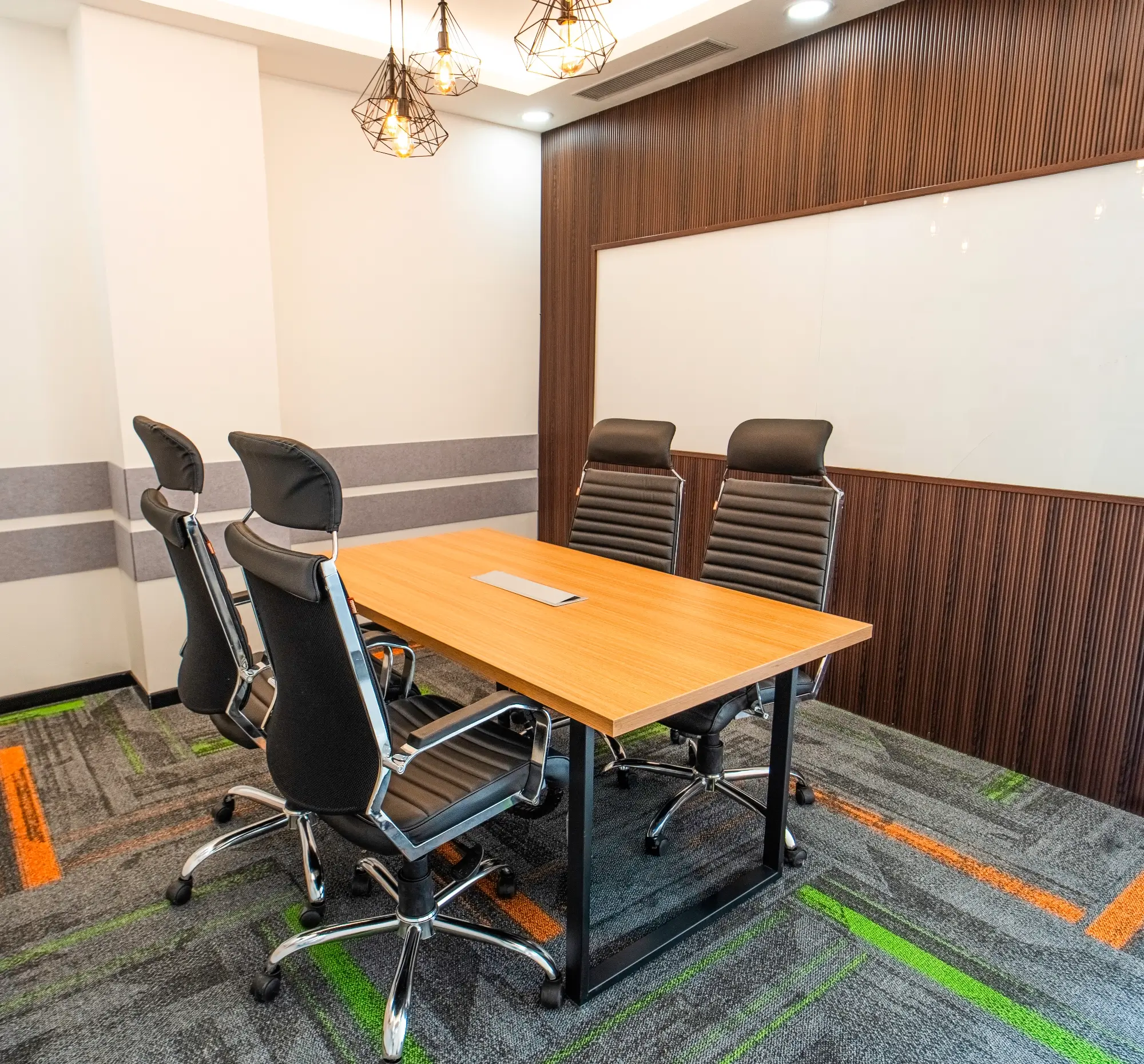
9. Why HR teams in Gurgaon are leaning on managed offices
HR, admin and business leaders in NCR are discovering that the traditional model – bare shell, separate fit-out, multiple contractors – puts a lot of unseen load on internal teams, especially HR and admin.
A good managed office provider can:
- Deliver a ready, branded workspace in a fixed timeline and budget
- Handle facilities, security, cafeteria and daily operations
- Build in wellness, hybrid-ready tech and collaboration zones from day one
- Offer room to scale up or down without disrupting teams
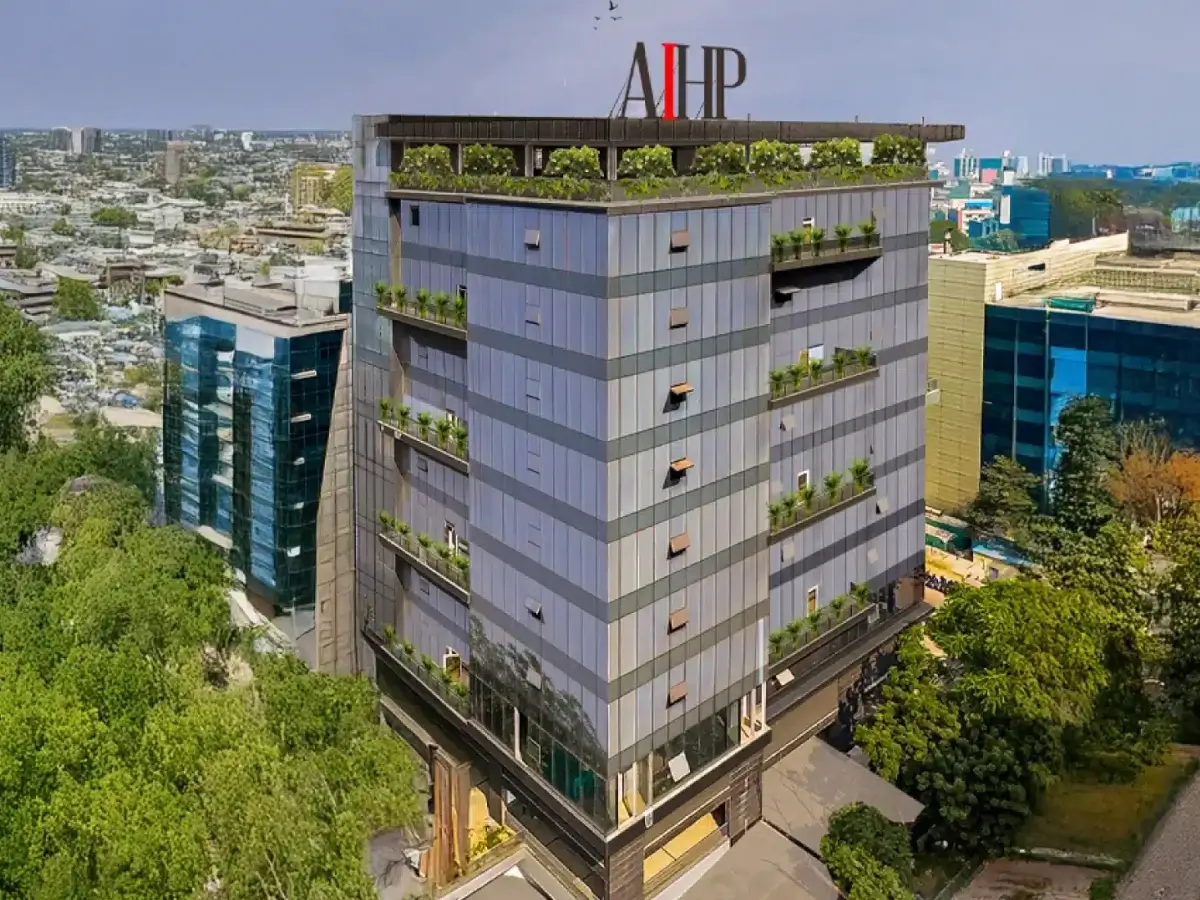
In markets like Udyog Vihar and Sector 32, providers such as AIHP combine owned office towers, strong infrastructure and practical layouts that already account for HR concerns like commute, amenities and future growth.
When you evaluate partners, do not just ask about rent per square foot. Ask how they will help you protect employee experience over the entire term of the lease.