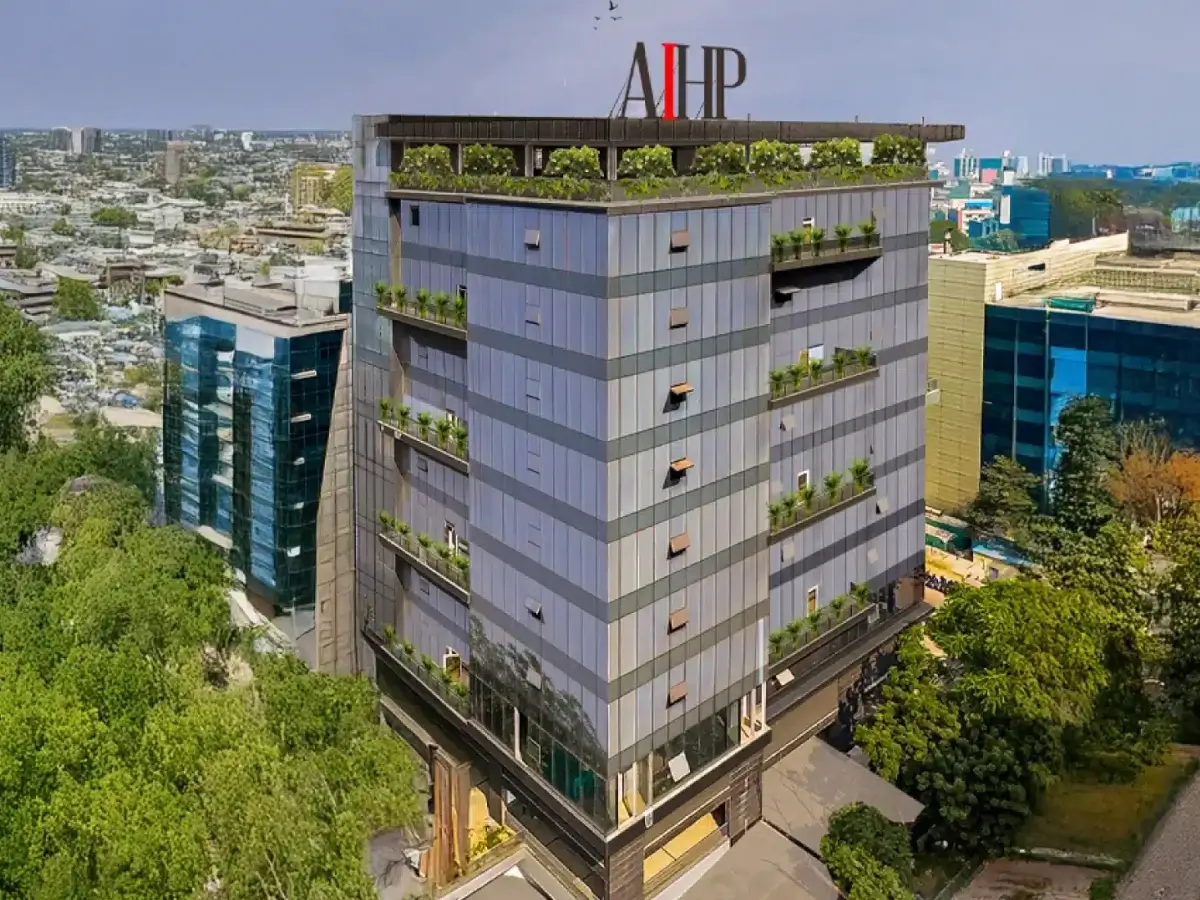
Commercial real estate runs on one thing more than hype: capital that stays patient. India’s office market has demand, but premium Grade A development still needs long term money that is comfortable waiting for leases to season and cash flows to stabilise. That is why the recent PFRDA move matters. When pension money gets a clearer route into REITs and InvITs, you widen the buyer base, improve liquidity, and make it easier for developers to recycle capital into the next project. The end result is not just better charts. It can directly change the pace and quality of office supply in growth markets like Gurgaon.
What exactly changed
The headline is simple: pension funds now have clearer permission and limits to invest in units and debt instruments of REITs and InvITs, which broadens the pool of long duration capital for these vehicles. The Economic Times reported the move as a liquidity booster for commercial real estate and infrastructure markets.
What makes it practical is the guardrails. In PFRDA’s investment exposure norms, cumulative investments in units and debt instruments of InvITs and REITs cannot exceed 3 percent of total AUM of the pension fund, with caps on concentration like 15 percent of outstanding debt instruments of a single issuer and 5 percent of units in a single issue. Those limits keep risk controlled while still opening a meaningful channel for steady inflows.
You can read the official exposure language inside the PFRDA Master Circular PDF.

Why liquidity is the hidden engine for Grade A offices
Grade A office development is capital intensive upfront and cash generative later. That gap is the issue. If there is a deeper secondary market for completed, stabilised office assets through REITs, developers can do three important things faster.
1) Recycle capital instead of waiting years
A developer builds, leases up, stabilises, and then sells the asset into a REIT. That sale returns capital which can go into the next tower or campus. With more institutional demand on the REIT side, that exit becomes more reliable. In other words, the “finish line” for the developer becomes clearer, and that makes lenders and equity partners more confident during construction.
2) Lower the cost of capital for both REITs and developers
Liquidity improves pricing. When more long term money participates, it can reduce the premium investors demand for risk. For REITs, better participation can mean tighter spreads, stronger price discovery, and the ability to raise capital more efficiently. For developers, that often translates into a better valuation for stabilised assets and cheaper capital for the next cycle.
3) Improve underwriting discipline and project quality
When the likely exit buyer is a listed vehicle that must deliver stable distributions, the quality bar rises. Developers build with clearer standards: better MEP, better lobbies, better sustainability reporting, better long term operations. It moves the market away from “just deliver space” to “deliver space that performs.”
Why this matters now, not later
A useful way to see the timing is to look at distributions. REIT and InvIT payouts are the language long term investors understand. When distributions are growing and operating metrics are strong, the asset class becomes easier to sell to conservative pools of capital.
ICRA Analytics has pointed to robust growth in distributions for InvITs and REITs in Q2 FY2026, backed by operating strength across assets. That kind of operating performance is exactly what helps pension allocators get comfortable with long duration participation.

How this strengthens markets like Gurgaon
Gurgaon is a textbook market for what this change enables: premium assets, enterprise demand, and a steady pipeline of upgrades in quality expectations. When capital recycling gets smoother, Gurgaon typically benefits in three very direct ways.
1) More premium supply, delivered faster
If the exit path into REITs looks clearer, developers are more willing to launch new phases. They can plan a pipeline instead of a one off project. That usually means quicker approvals, stronger contractors, and more reliable delivery timelines. In a market where decision speed matters, faster supply of premium assets is a competitive advantage.
If you want a quick look at how Gurgaon micro markets are evolving and what occupiers are prioritising, this AIHP piece is a useful reference point: Office Space Trends in Gurgaon.
2) Better amenities because the asset has to perform for years
REIT grade assets are not built only for handover photos. They are built for uptime. Tenants in Gurgaon care about things like meeting room reliability, visitor flow, parking logic, wellness basics, and predictable operations. A more liquid institutional market rewards those investments because it supports stable rent and lower vacancy.
3) Stronger investor yields through more consistent cash flows
When more capital comes in at the REIT level, it can support more acquisitions of stabilised office assets, which can keep distribution visibility stronger. Over time, better liquidity also tends to reduce panic moves in pricing, which helps long term investors stay invested through cycles.
What CEOs, CFOs, and developers should do with this signal
For CEOs
If you are planning a move or expansion, it is worth reading this as a supply signal. Premium inventory is likely to deepen, and the best buildings will keep raising the quality bar. That means your office decision is not only about rent. It is also about long term performance, hiring, and brand presence.
If you want a predictable path into a Grade A managed workspace without a long build cycle, you can explore options on AIHP and shortlist the right fit for your team size and timeline.
For CFOs
Expect the financing conversation to evolve. When liquidity improves upstream, the downstream cost of capital can soften. Use that to negotiate better terms, but also insist on performance metrics: uptime, energy management, and service SLAs. Over a 24 month horizon, operational predictability often matters more than a small rent delta.
For developers
Treat this as an incentive to build assets that can qualify for institutional buying. That means clean documentation, strong compliance, tenant quality, and operating discipline from day one. If the asset is “REIT ready”, the exit becomes easier, and the cost of capital improves.
Conclusion
PFRDA allowing pension funds a clearer route into REITs and InvITs is not just a policy headline. It is a structural nudge toward deeper liquidity and more reliable capital recycling. For Grade A office development, that can translate into faster project pipelines, stronger asset quality, and more stable investor outcomes. In markets like Gurgaon, where demand and visibility already exist, this sort of liquidity support can be the difference between slow, cautious supply and confident, premium expansion.