If you manage costs and capital for a growing company, Gurgaon gives you both opportunities and traps. Rents move by micro market, fit outs can stretch timelines, and hidden operating costs creep in after handover. This guide shows how to measure real return on office spend in Gurgaon, how location and speed affect payback, and where managed models can de risk delivery so you meet plan without surprises.
What ROI really means for a CFO
ROI is not just the monthly rent. Treat it as value created per rupee across four buckets:
- Time to go live, because delays push revenue and hiring.
- Cost per productive seat, not just cost per seat.
- Talent reach, which is a function of commute, transit, and address recall.
- Lifetime cost, which includes energy, upkeep, and churn from bad layouts.
Market reads from JLL and CBRE show the same direction for 2025. Demand concentrates in well connected Grade A pockets and there is a clear premium for buildings that shorten commutes and reduce fit out friction.
The Gurgaon cost model that actually works
A simple model most CFOs use during shortlisting:
Total monthly run cost = Rent + CAM + Energy + Tech and AV + Soft services + Security + Repairs + Interest, if any.
Add two multipliers
- Utilisation factor, because empty rooms are dead capital.
- Delay factor, a cost of time that includes billed salaries for teams who cannot start, plus the revenue or project slip you carry during build.
When you compare options, run this model for twelve and twenty four months with realistic occupancy ramps rather than a flat headcount.
Location creates value, not just cost
Addresses along NH8 and the main spines do more than cut travel. People see your logo daily, which builds recall without media spend. That visibility supports sales teams and reduces the time it takes for a client to say yes. If you need that effect with sensible rents, corridors like Udyog Vihar and the emerging expressway belt often balance access with cost. For quick, CapEx light moves in this zone, start with the AIHP Udyog Vihar page and shortlist floors that fit your headcount ramp, and for context on how startups convert office choices into growth, skim How Office Space in Gurgaon Became the Launchpad for India’s Rising Startups.
Transit matters too. As networks expand, the catchment for mid and senior talent gets wider. Analysts at JLL keep noting how transit credibility correlates with absorption and re rating in connected pockets.
CapEx versus OpEx and the speed dividend
Traditional build means upfront capital, several vendors, and higher risk of delay. A managed path converts most of that into a clean monthly line item and compresses time to go live. The speed dividend shows up as earlier revenue, faster project starts, and fewer contractor claims. If your plan values speed and predictability, a managed route can be a better financial answer even when sticker rent looks higher. You can see how that single partner model works on the AIHP managed offices site.
Seat math that CFOs use
Forget generic seat densities. Use real mixes.
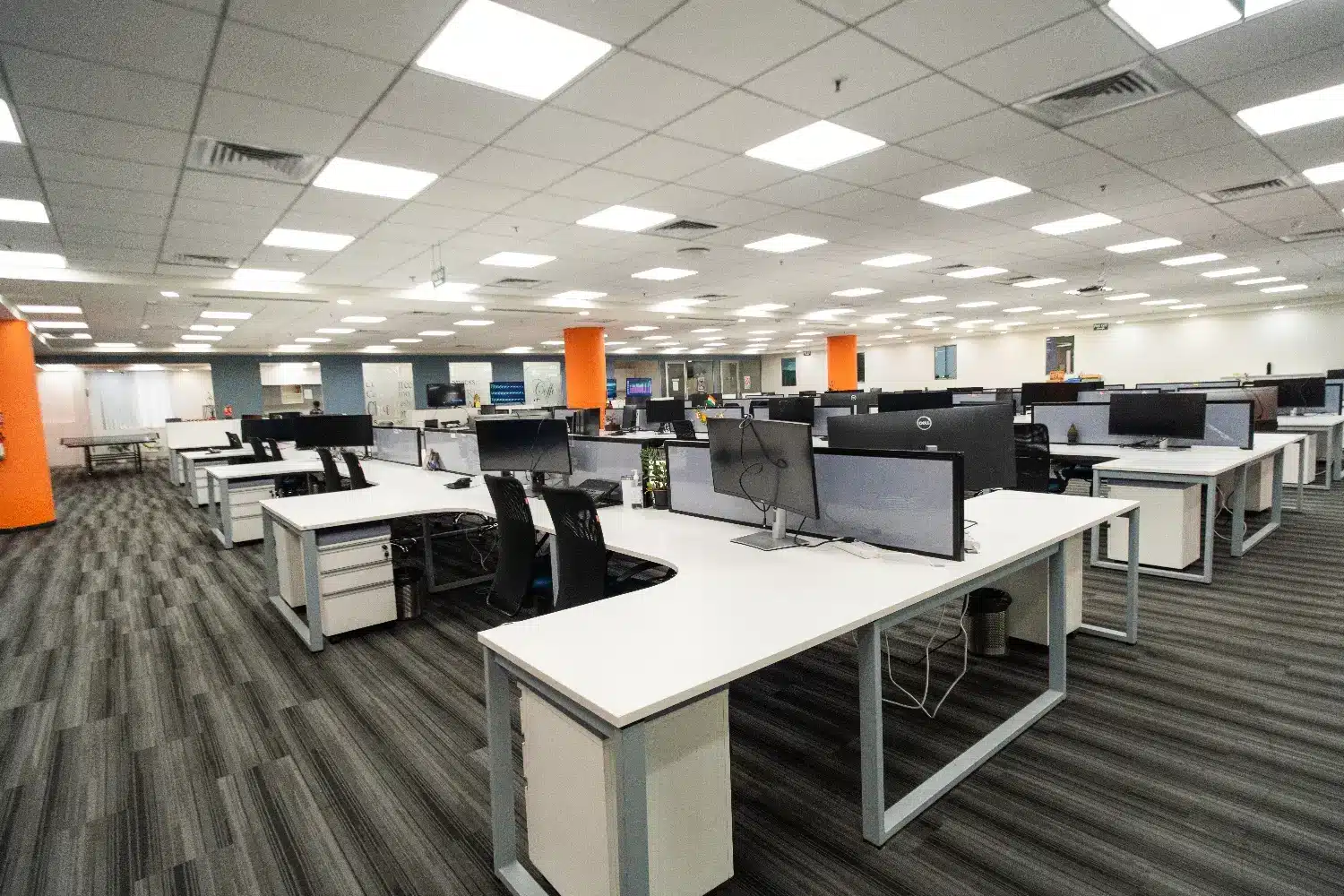
- Focus seats and small rooms for two to four people usually carry the day.
- Medium rooms with dual screens and clean audio drive sales demos and training.
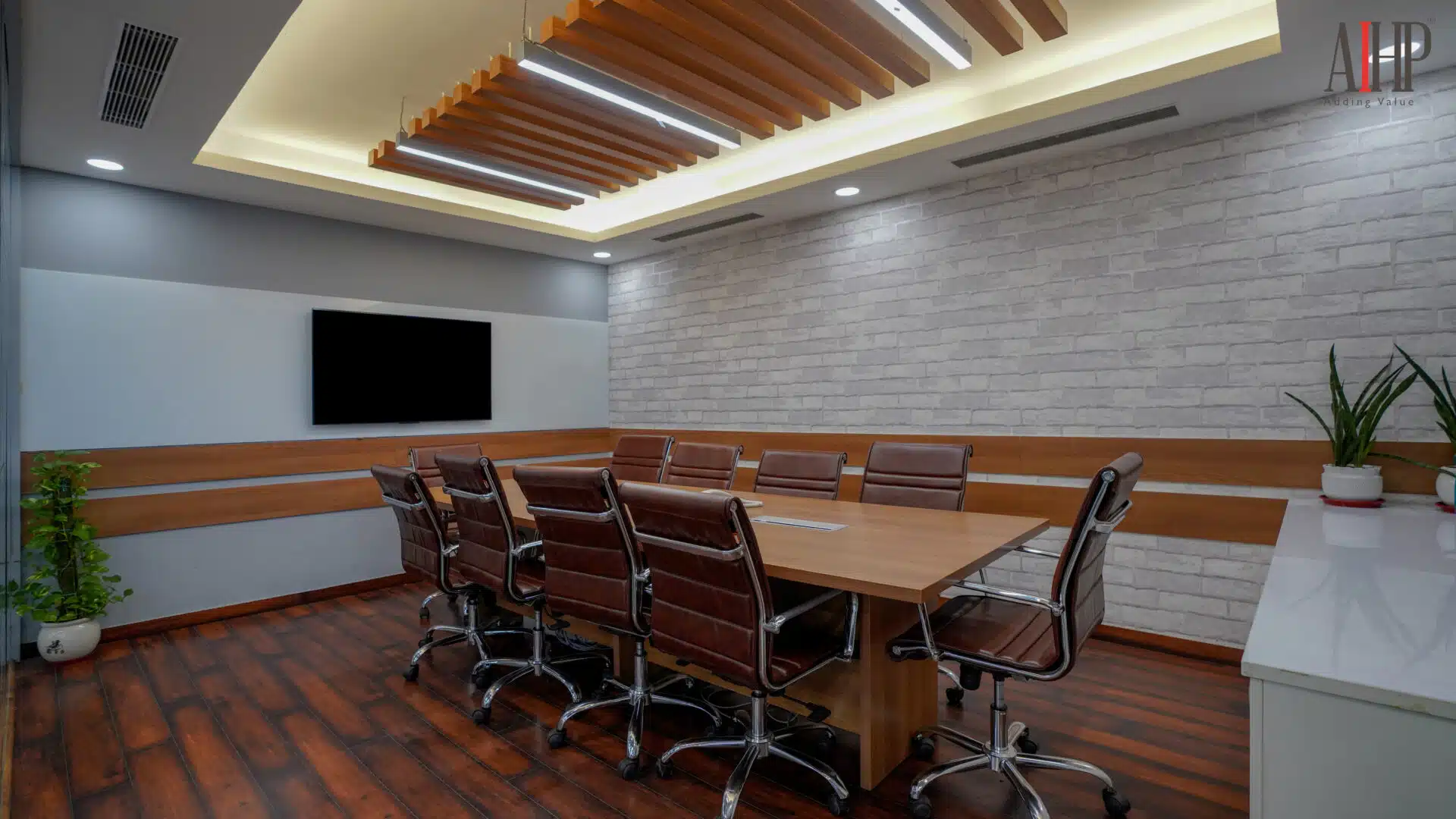
- Large boardrooms are often underused and can be split later.
Right sizing this mix lifts utilisation. Even a ten point rise in occupied hours per room lowers effective cost per productive seat. That lift offsets a lot of rent difference between two addresses.
Studies that track utilisation and hybrid patterns, including work published by CBRE, continue to show higher demand for smaller rooms and focus spaces compared with oversized halls.

Energy, maintenance, and the quiet drain on ROI
Look carefully at HVAC age, lighting type, and the ability to schedule AV and lights. Small changes save real money. Presence sensors, LED fixtures, and sensible AV sleep settings cut bills without changing user behaviour. Annualise these savings against the rent premium you pay for a better building and you often find the premium pays itself back.
Risk, clauses, and what to lock in writing
Your best lever is the calendar. Tie payment milestones to verifiable stages and include liquidated damages for late handover. Fix service levels for uptime on power and internet, and insist on a clear snag list process. In a managed deal, lock response times and include a short pilot day inside the nearly finished floor so you can test meeting rooms with your own laptops before sign off.
Two worked comparisons to copy
Scenario A
Premium address with longer build, traditional model
- Lower sticker rent
- Three month fit out with separate vendors
- Higher risk of slip and hidden completes
Scenario B
Connected address with managed delivery
- Slightly higher sticker rent
- Live in sixty to ninety days
- Single monthly invoice and committed calendar
When you add the delay factor and utilisation to twelve month totals, Scenario B often wins, even before you price brand visibility and easier hiring.
A ninety day playbook for CFOs
Days 1 to 30
Shortlist two submarkets that your buyers already cross daily. Ask for a delivery calendar, not just a spec.
Days 31 to 60
Run a pilot day in the almost ready floor. Approve audio and camera angles, then freeze furniture.
Days 61 to 90
Move in, run two client events, and track room use for four weeks. Convert an underused large room into two mediums if needed.
If you prefer one team across design, build, and operations with a single monthly bill, open a conversation through the AIHP contact page and request the two month calendar with weekly checkpoints.

Conclusion
Real ROI in Gurgaon comes from speed, fit, and visibility. Choose an address that your market already sees, cut delay through a delivery model that you can enforce, and tune the room mix so people can do real work without friction. Measure return over time with utilisation and delay baked into the math. Do this, and the office stops being a cost centre and becomes a lever for faster growth.