If there is one part of the office market that refuses to slow down, it is flex. Across India, co-working and managed spaces are absorbing fresh demand from startups, GCCs, and enterprise project teams. In Gurgaon the story is sharper. A strong pipeline of tech and services firms, a deep talent bench, and address value along NH8 have pushed co-working from a stopgap to a first choice. This is not a fad. It is a shift in how teams want to sign, seat, and scale.
The national surge and why Gurgaon is centre stage
Flex is growing because it solves three daily problems. It speeds up move in, it keeps capital light, and it gives teams room to flex up or down without reworking a lease. Nationally, the trend shows up quarter after quarter in research updates from JLL India’s insights library, where flexible workspace is tracked as a distinct driver of absorption. In Gurgaon that momentum compounds because many buyers and partners are within a few kilometres, so a ready floor is not just convenient, it is revenue friendly.
What “65 percent growth” looks like on the ground
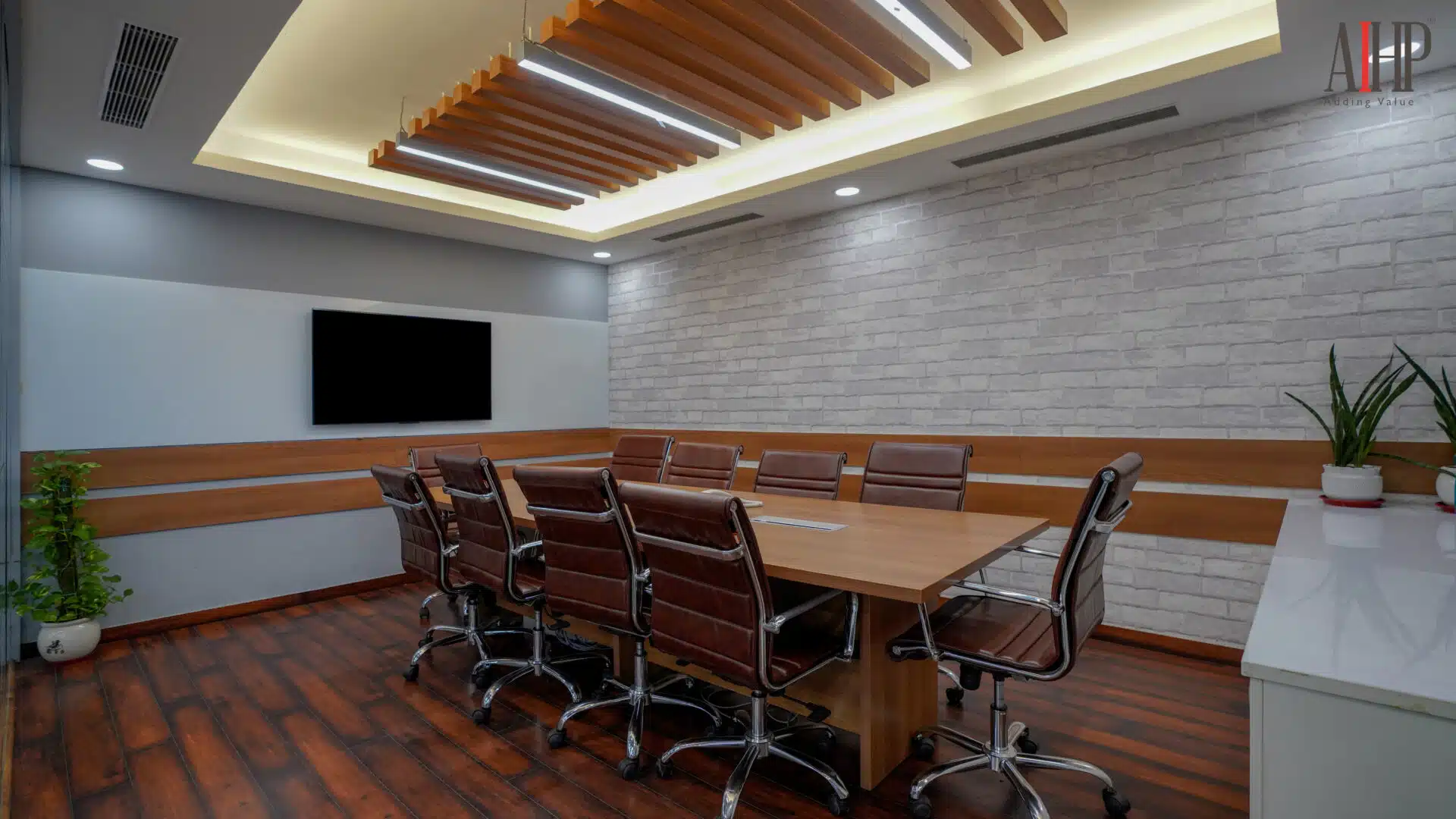
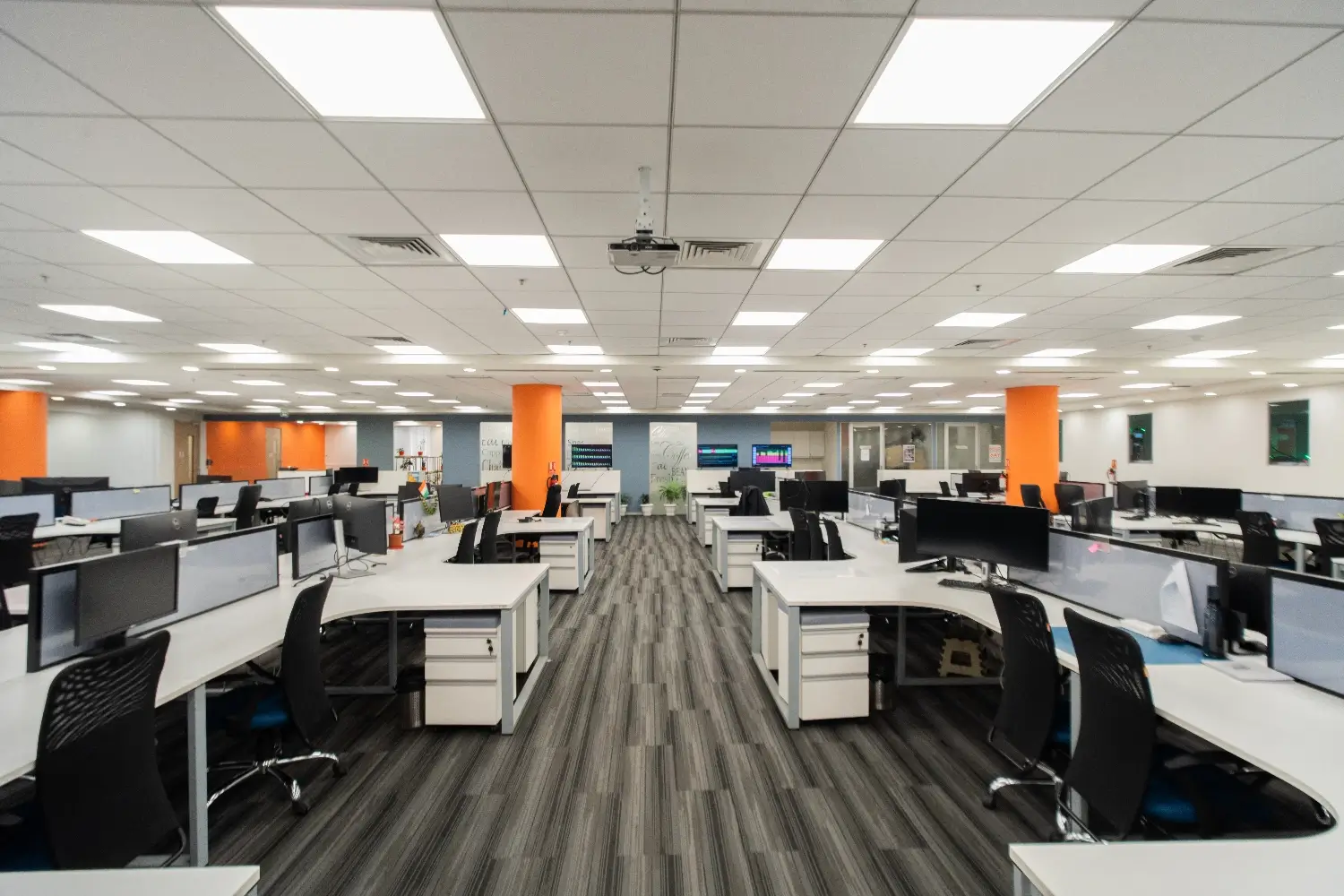
Talk to brokers in DLF Cyber City, Udyog Vihar, Golf Course Road, or along GCER and you will hear the same line. A year ago teams were testing flex for a project. Today they are standardising flex for whole functions. Seats get added in tranches, provisions for hybrid days are baked in, and the fit out list is settled up front to avoid back-and-forth. The output is visible. More small meeting rooms, more phone pods, better audio in medium rooms, and stable uptime because the operator owns design, build, tech, and operations.
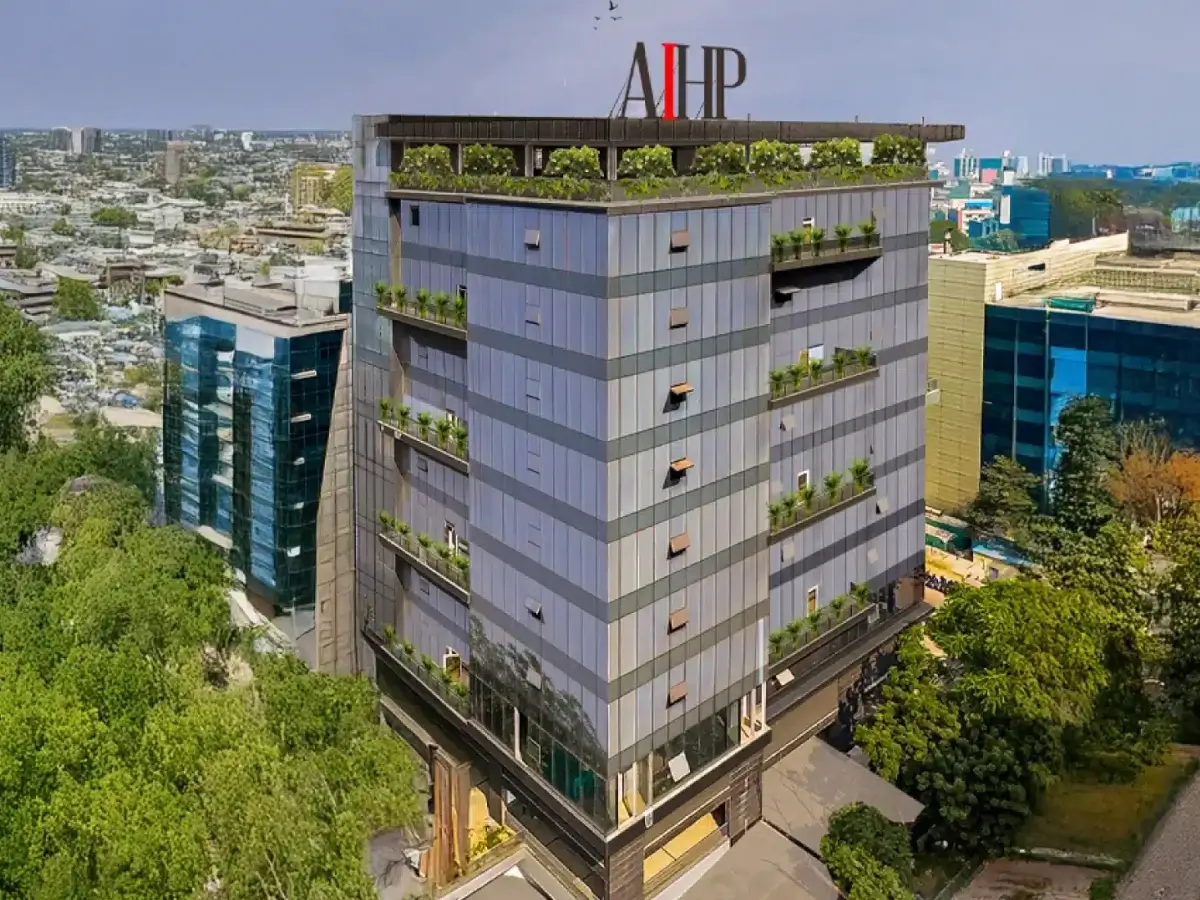
If speed is your brief, shortlist inventory in Udyog Vihar where the value to velocity equation is strong; start with AIHP’s Udyog Vihar offices and map seats to hiring waves rather than guessing headcount for eighteen months.
Why startups and GCCs keep picking flex in Gurgaon
Startups want to land clients quickly. Flex puts them on a known address, with rooms that are client ready, and a monthly model that does not burn capital on day one. GCCs need parallel tracks for pilots, transitions, and sprints. Flex gives transition teams reliable space on short notice, with security and uptime aligned to enterprise standards. You see both behaviours in Gurgaon because the buyer, the implementer, and the talent pool sit in one grid. Sector updates from CBRE India’s insights underline this mix, where enterprise use of flex is rising alongside startup demand.
The micro-market map: where flex wins first
- Udyog Vihar: Fastest path to live, good floorplate variety, and NH8 visibility.
- Cyber City: Prestige, client-facing floors, and a deep network of enterprise neighbours.
- Golf Course Road and GCER: Amenity rich towers that suit advisory, product, and design teams.
- SPR and the expressway belt: New Grade A supply with room to expand without changing pin codes.
If you prefer one accountable partner across the chain, a managed route keeps calendars honest and handovers predictable. To see how that plays in Gurgaon, browse AIHP and compare the managed model against a traditional multi-vendor build.
Pricing and pipeline: how flex reshapes the conversation
Traditional leases focus on base rent and fit out capex. Flex changes the math. Effective rent folds in furniture, tech, facility services, and service levels. In tight quarters, incentives shrink and speed carries a premium. That is why many teams now evaluate a floor on three simple questions: can we start in sixty to ninety days, can we expand in place, and who owns uptime if something goes wrong. Market dashboards such as Cushman and Wakefield MarketBeat India offer a clean backdrop for these conversations by showing how vacancy and rents are firming in Gurgaon’s prime and near prime.
What a flex-first floor looks like now
A walk through any of the newer centres tells the story.
- More two and four seat rooms for quick work sprints and investor huddles.
- Medium rooms with dual screens so faces and content stay visible together.
- Phone pods near busy teams to keep the floor quiet.
- Acoustic treatment first, pretty finishes second, because call quality is what keeps work moving.
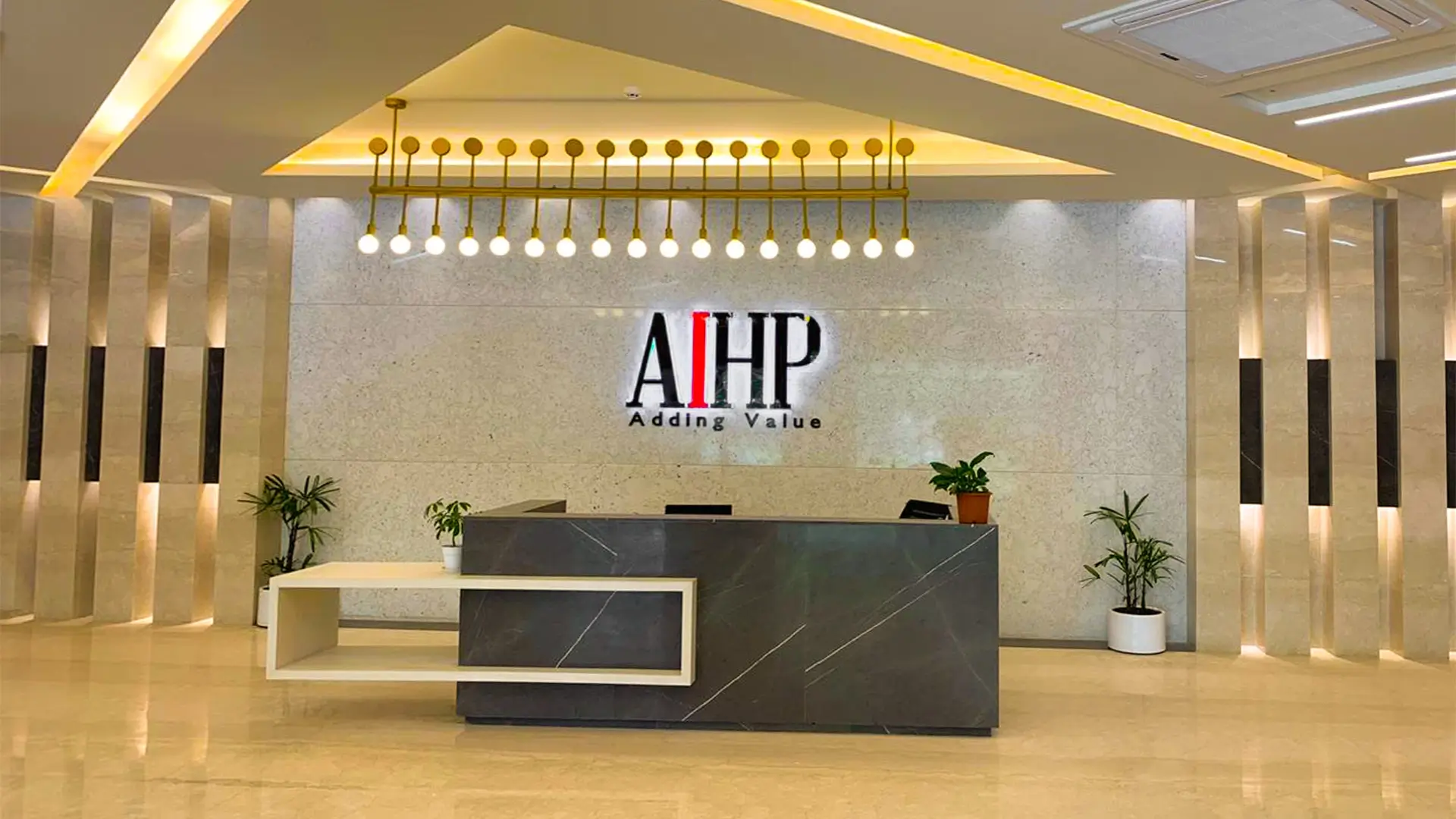
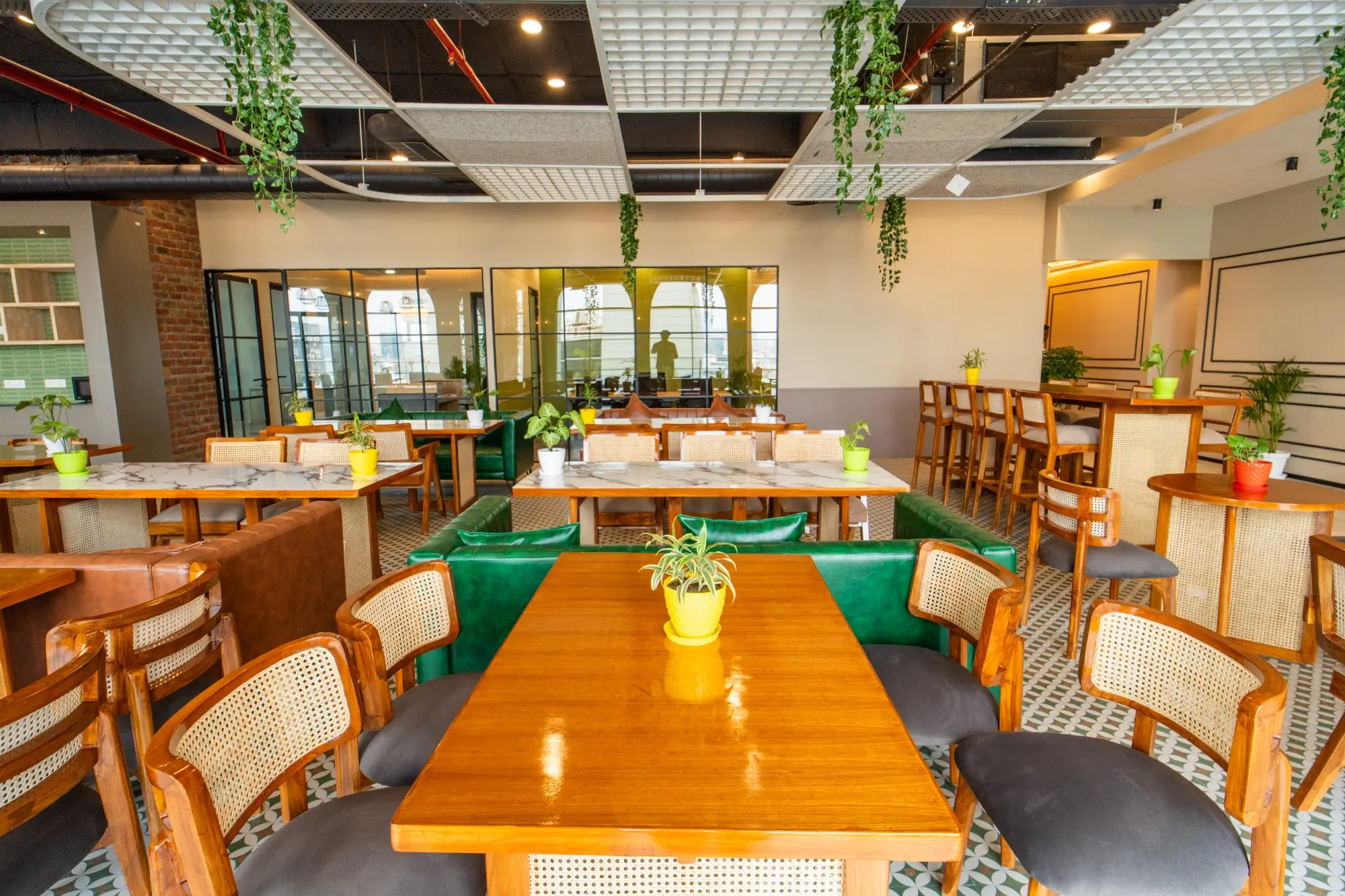
- A lobby that looks like you mean business and a pantry people actually use.
When operators run design, build, tech, and ops under one roof these choices become standard, not exceptions. That is why the day to day feels smoother than a one-off fit out.
Risks and simple guardrails
Flex is not a silver bullet. You still need clear policies for data and access, booking discipline so rooms do not choke, and a fair use plan for guest traffic. Put those in place early and the benefits compound. Most teams that run a short pilot month before move in catch and fix the small frictions that would otherwise nag for a year.
Conclusion
Co-working and flexible offices are not just keeping up with Gurgaon’s growth, they are helping create it. The model cuts weeks from go-live, keeps capital light, and lets teams scale without drama. For founders and portfolio heads who need speed, it is the practical choice. For landlords, the message is also clear. Flex is not competition. It is a demand engine that fills quality floors and keeps buildings lively.
Explore AIHP’s build to suit flex options and get a week by week delivery plan tied to your hiring and client calendar through managed offices in Gurgaon by AIHP.