Flex is having a national moment. Market trackers report a strong year on year jump in flexible workspace take up, and the curve is still pointing up for 2025. If you want a clean baseline for that trend, the city and country dashboards inside Cushman and Wakefield’s MarketBeat India are a good starting point because they separate headline leasing from real seat absorption. Read that alongside the quarterly lens in JLL India Office Market Dynamics and you will see why Gurgaon is the natural beneficiary. Decision makers sit close together here, large floors exist in multiple corridors, and talent catchment widens every quarter as connectivity improves.
This article translates India’s flex story into a Gurgaon plan. We will define what flex really means today, show where demand is pooling in Cyber City and Udyog Vihar, explain when flex wins over a build to suit model, and outline how your next five years of office design and technology will evolve if you plan with intent.
What flex means in 2025
Flex is not a stop gap any more. At enterprise scale it means three practical things.
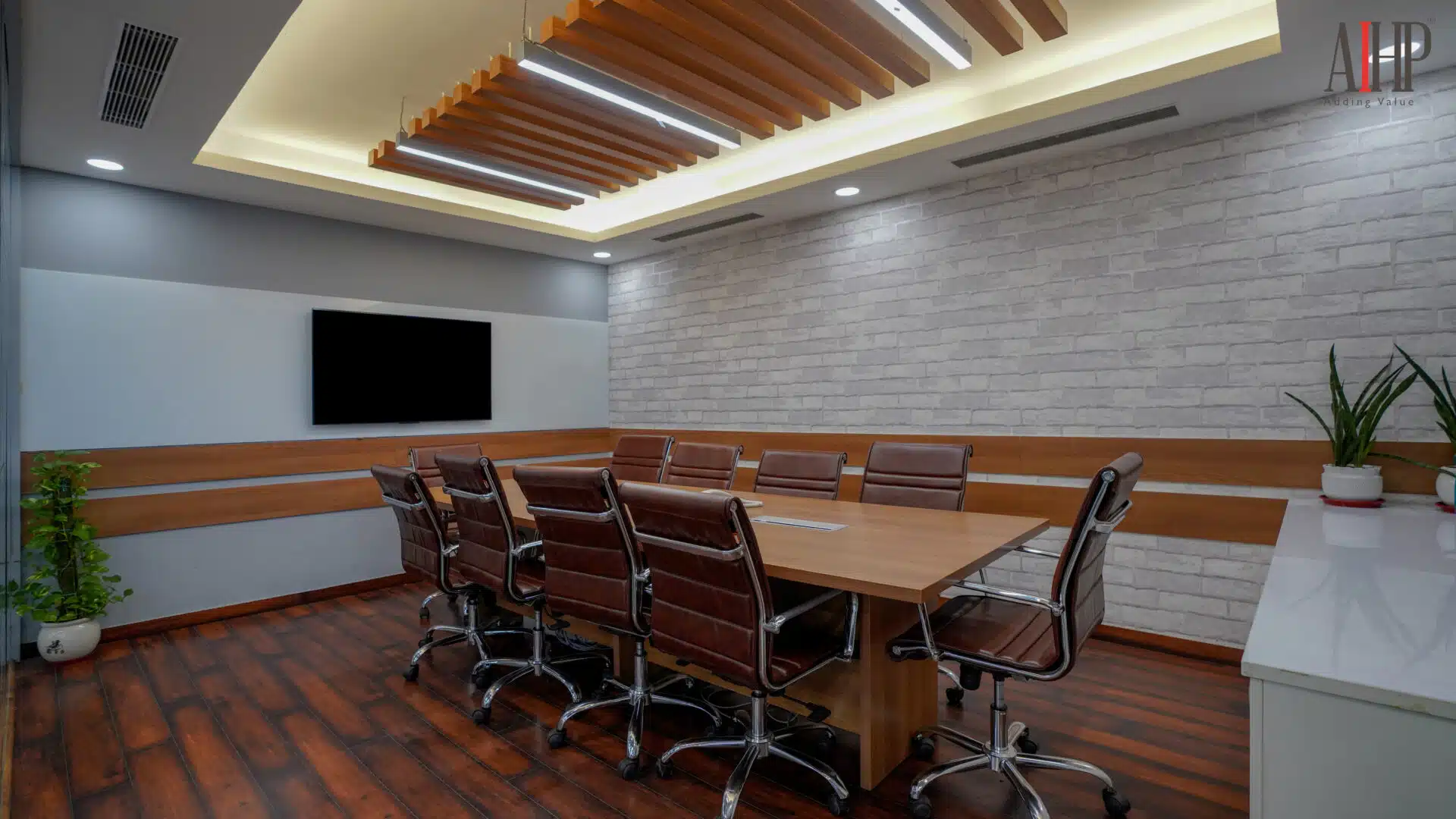
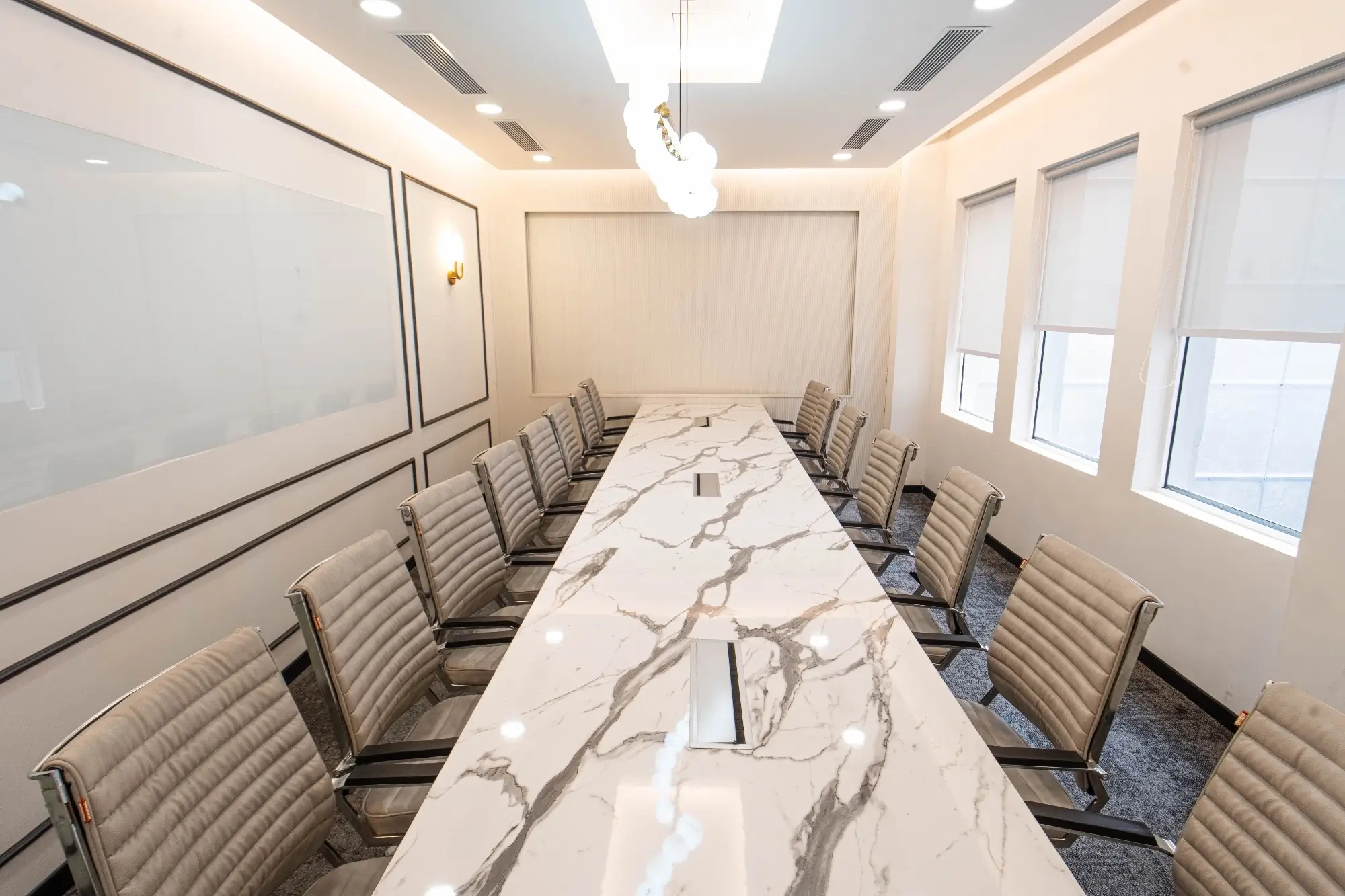
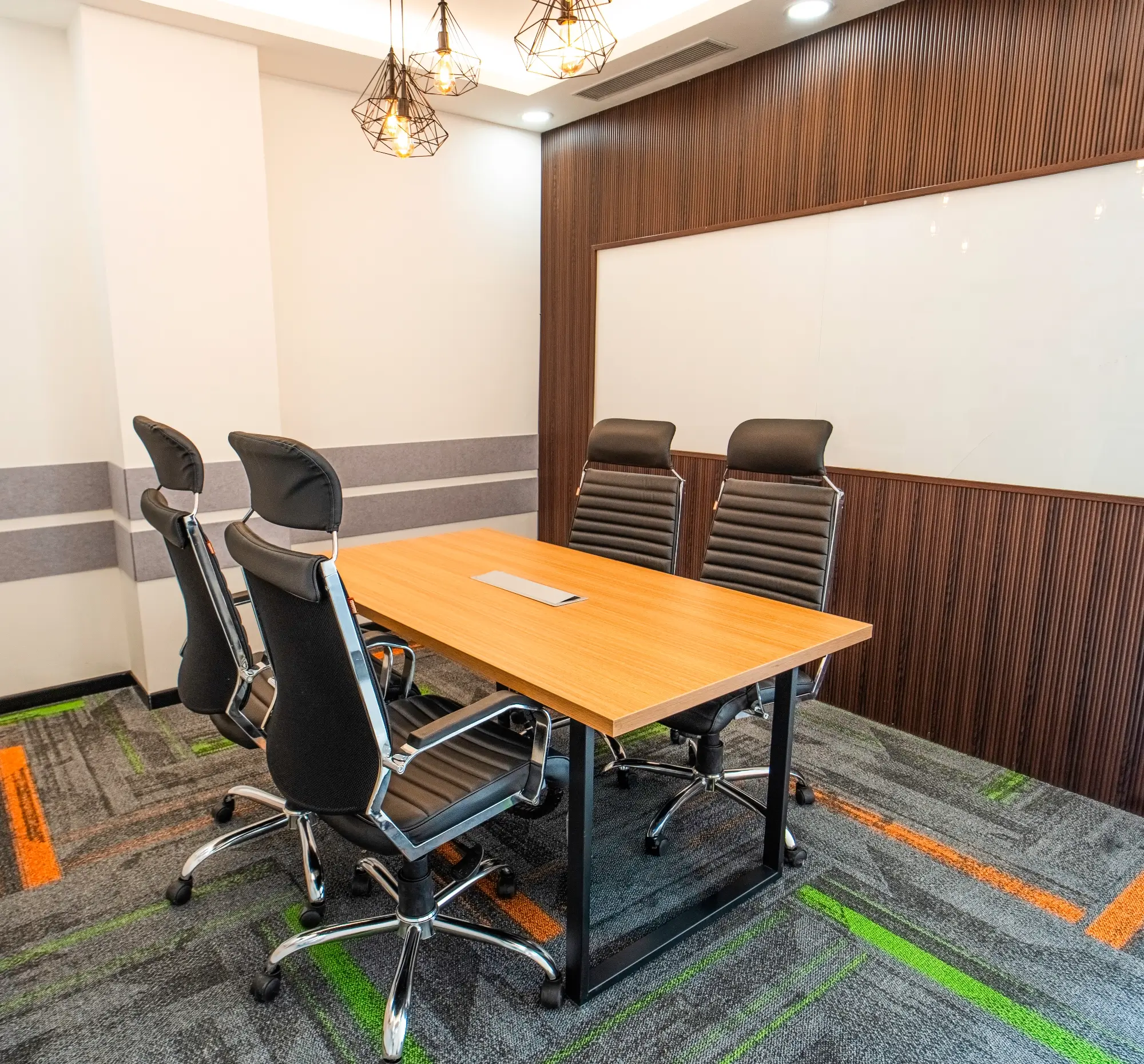
- Hybrid ready floor plates. More two and four seat rooms, a few excellent medium rooms with dual screens and audio that frames people naturally, and phone pods close to busy bays.
- Agile seat supply. A core of fixed seats with a buffer of bookable seats that absorbs anchor days without paying for empty chairs all week.
- Operational certainty. One counterparty who can commission fast and run the day without drama so your team focuses on work rather than fixes.
Large corporates use flex to manage hiring waves, client projects, and pilot teams without locking long commitments. Scale ups use it to avoid calendar risk and to buy a working operating layer instead of stitching vendors together one at a time.
India to Gurgaon: how the surge translates locally
The national appetite for flexible workspace is showing up in Gurgaon first in places where commute is predictable and neighbours are relevant. Cyber City continues to attract client heavy teams because arrival feels calm even at peak hour. Udyog Vihar remains the value to speed zone where you can seat a project quickly and stay near the NH8 spine. If you like to time your tours against enterprise deal flow and new operator entries, keep an eye on ETRealty’s office coverage since it picks up micro market colour before quarterly PDFs catch up.
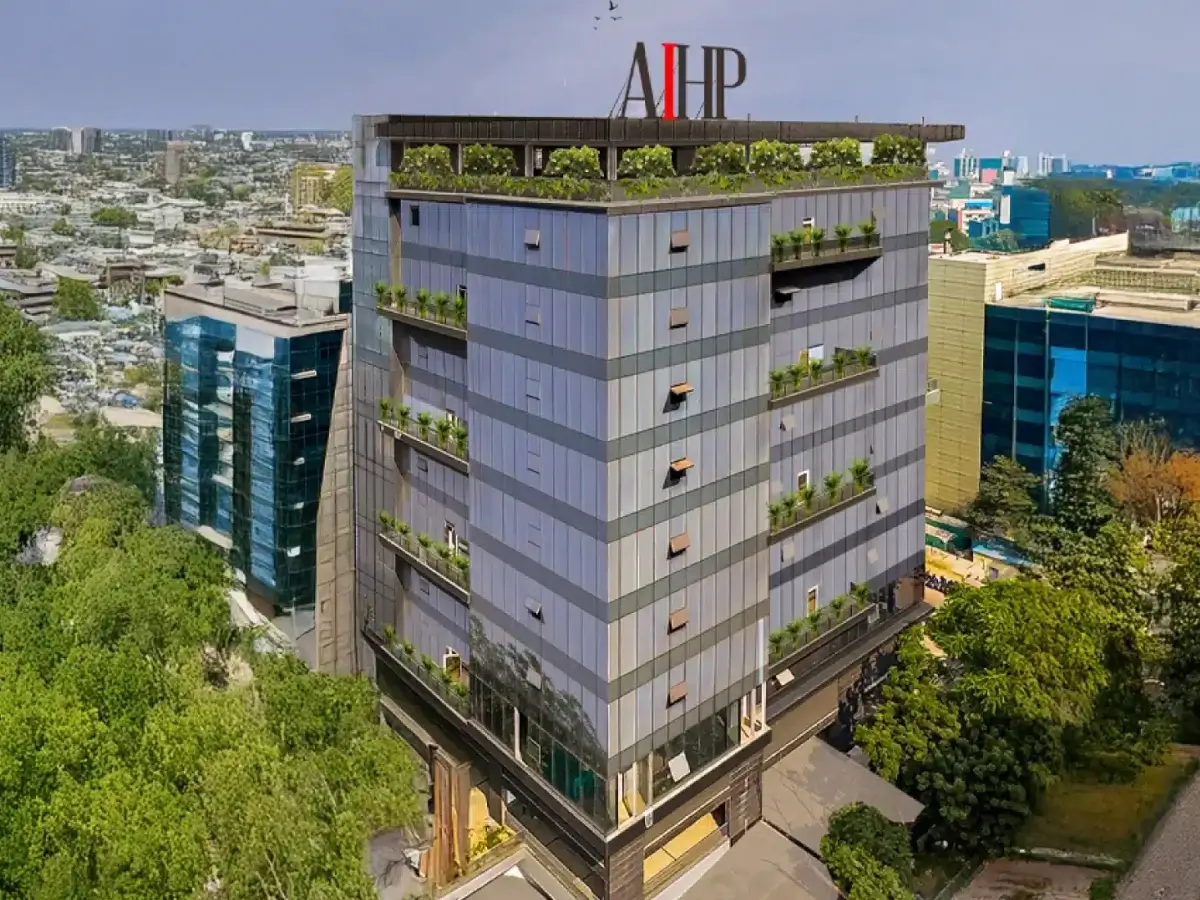
For teams that want a managed path with flex features, a sensible place to start is AIHP’s managed offices in Gurgaon because one accountable partner owns design, build, technology and daily operations. That single calendar is the quiet advantage when the market is busy.
Micro markets in focus
Cyber City. Leadership hubs, advisory, design led teams, and client facing roles get the most value here. Floors that already run hybrid rooms well and move visitors quickly will clear first.
Udyog Vihar. This is the practical choice for product, support, and transition teams that want proximity to enterprise neighbours without paying for prestige. When you shortlist, anchor your route around Udyog Vihar’s location brief so commute, access, and last mile are judged by real time rather than a map.
Golf Course Road and Extension. Amenity rich addresses where polished front of house and well planned meeting stacks help with hiring and client days.
SPR and the expressway belt. New Grade A supply with room to grow. Early movers secure options for the next phase and avoid mid cycle moves.
When flex is right and when build to suit makes more sense
Flex wins when you face uncertainty. If hiring is bunched, if project intake is lumpy, or if your leadership wants a pilot before a wide rollout, flex protects the calendar. You pay for what you use, you avoid capex drag, and you buy a working operating layer. Build to suit wins when the use case is stable and large, when culture requires deep brand expression, and when your real estate team can own a longer commissioning cycle without risking delivery dates.
Most mature portfolios in Gurgaon blend both. They run a signature hub in a prime corridor and place execution teams in a flex enabled stack nearby. The mix keeps rent sensible and commute realistic while protecting speed.
What occupiers should ask for
- A clear commissioning sequence. One medium hybrid room should be tested early. Once audio is clean and framing natural, the spec can be cloned across the floor.
- Energy and uptime evidence. Quarterly numbers beat marketing lines and help you tune the plan before complaints show up.
- Expansion rights in building. A first right or a defined option protects continuity when your team grows faster than expected.
- Service levels with remedies. Handover milestones and AV readiness should be contractual, not aspirational.
The provider model that blends flex features with brand control
A growing set of CEOs want flex features without losing identity or control. That is why the managed route is winning in Gurgaon. The provider carries the stack end to end and gives you a single weekly checkpoint. You get flex style speed and a floor that reflects your brand in a way coworking cannot. If you want a side by side comparison, begin with AIHP’s managed offices in Gurgaon and map a 60 to 90 day start against your best traditional plan measured in weeks, not just rupees.
For a quick city pulse that explains why Gurgaon has been absorbing the majority of NCR leasing, skim our quarterly read Gurgaon Leads NCR Leasing: 70 Percent Share of Q2 2025 Office Growth and then walk sites with that context in mind.
The medium term shift: what the next five years look like
Floor plate design. Expect more small rooms, fewer oversized boardrooms, and phone pods near busy teams. Medium rooms with dual screens will become baseline because hybrid is here to stay.
Amenity expectations. Arrival that works at peak hour, clear wayfinding, faster lifts, and coffee where people actually meet. Buildings that treat these as standard will keep a steady premium over those that treat them as optional.
Technology adoption. Booking that people trust, access that does not queue, and simple data on utilisation and energy so leaders can rebalance seat mix without a fight. The country view in JLL India Office Market Dynamics suggests the same pattern across top cities, but Gurgaon tends to move first because decision makers sit close together here.
Procurement behaviour. Fewer vendors and one accountable calendar. That is the quiet lesson from the last two growth waves. The partners who can show a week by week delivery plan and then run the floor without drama will keep winning shortlists.
A 30 day action plan for Gurgaon teams
Week 1: Fix non negotiables. Start date, seat range, hybrid room count, commute band, and expansion logic in building.
Week 2: Tour two corridors at peak hour. Run one sample hybrid meeting during the tour. Walk the last three hundred metres to judge arrival.
Week 3: Pilot one hybrid room on your preferred floor. Fix audio first, then framing, then screens.
Week 4: Choose delivery path. If speed is central, align with a single accountable partner and write milestones with remedies into the paper.
Conclusion
Flex is not a trend line. It is a set of behaviours that reduce risk and speed up work. Over the next five years in Gurgaon, the winners will buy speed, protect arrival, and design floors that perform on anchor days without wasting space on quiet days. If you want that outcome, start with a plan that is honest about dates and clear about rooms. We can help you lock a calendar, commission early, and scale in place when you grow. Explore a flex ready approach through AIHP’s managed offices in Gurgaon and we will translate your brief into rooms, milestones, and a start date that holds.