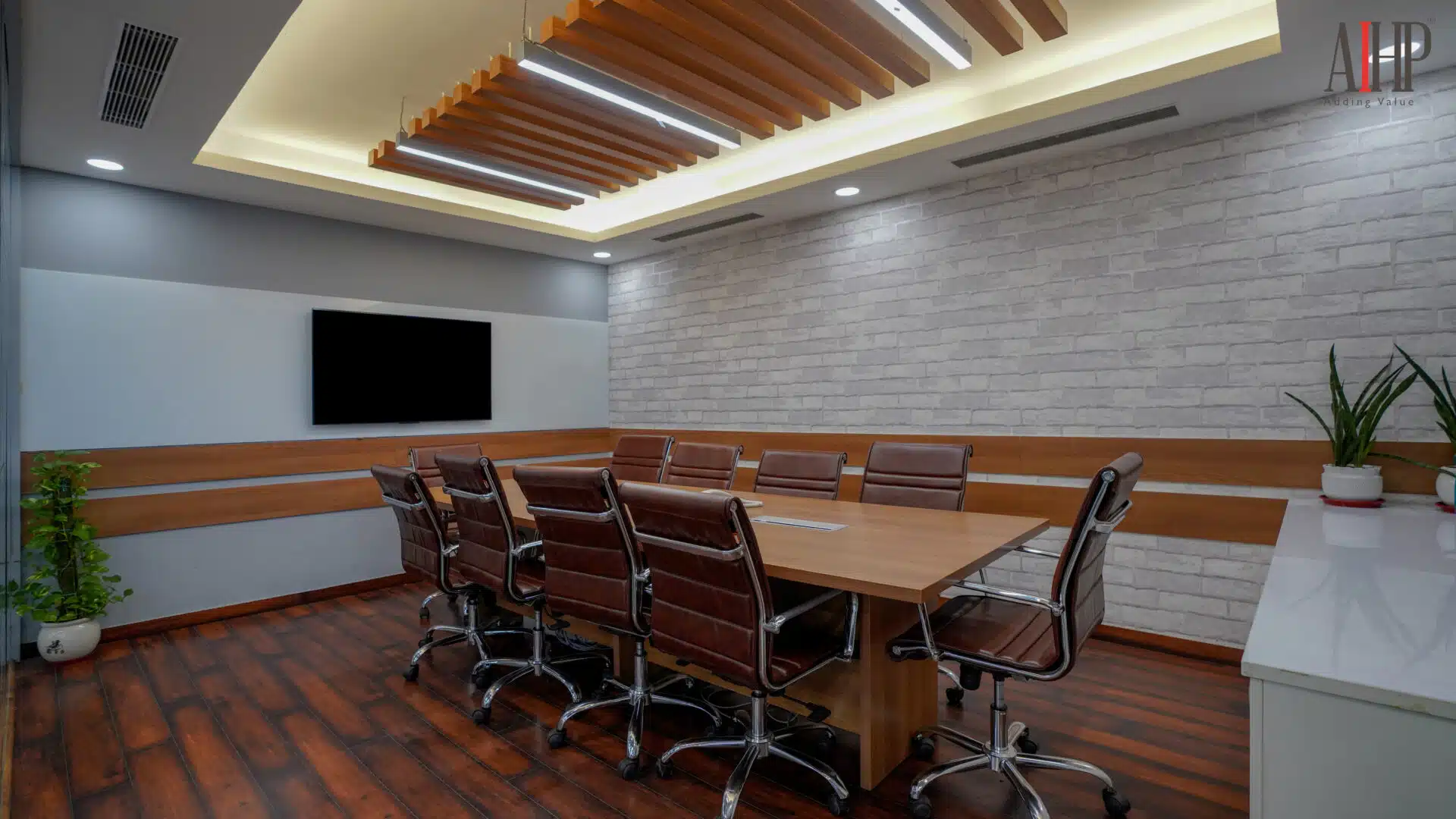
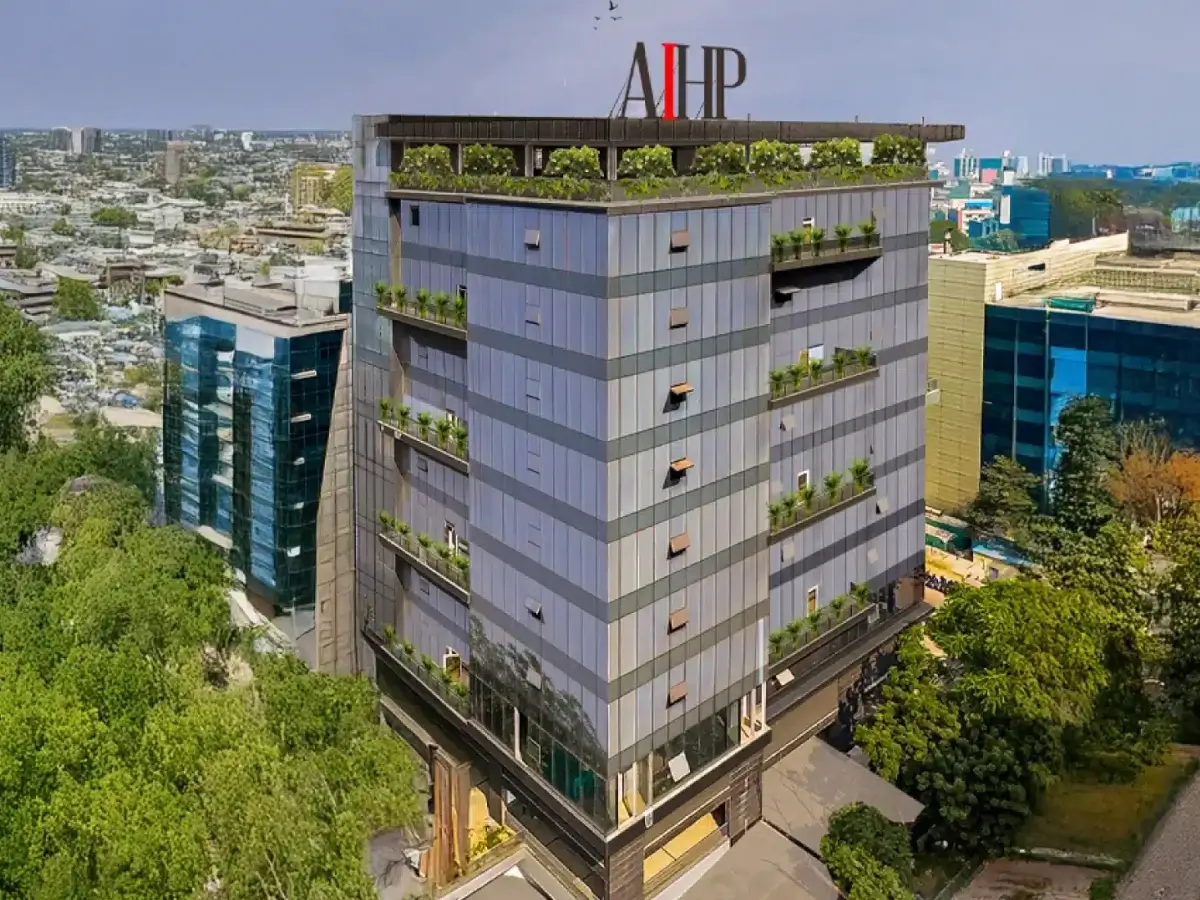
Gurgaon keeps rewriting the office playbook. In 2025 the story is not about bigger floors alone; it is about smarter space, greener buildings, and experiences that make hybrid weeks feel effortless. Five themes are steering real decisions this year—PropTech, green design, mixed-use ecosystems, the flex surge, and SCO formats adapting for work and retail. Here is a practical take on what they mean for occupiers and landlords, and how to act without losing time.
1) PropTech moves from pilot to platform
The days of “let us try one sensor in one room” are behind us. Progressive occupiers now want a single digital spine that runs access control, space booking, visitor flows, energy dashboards, and meeting-room AV—without five passwords or five vendors. This is less about shiny tech and more about time saved: fewer help-desk tickets, smoother anchor days, and data you can act on.
If you are drawing up a 2025 spec, benchmark your roadmap against the rolling research on workplace tech and utilisation in JLL India’s research. Use their frameworks to prioritise wins that matter on day one—badge-less entry, reliable room booking, and occupancy heat maps that right-size your mix of desks and small rooms.
How to act: run a 90-day pilot on one floor, publish two simple dashboards (utilisation and energy), and retire anything that people are not using. When you are ready to convert the pilot into a full floor, a turnkey path like AIHP’s managed offices in Gurgaon helps stitch design, build, tech, and ops into a single calendar so adoption does not stall.
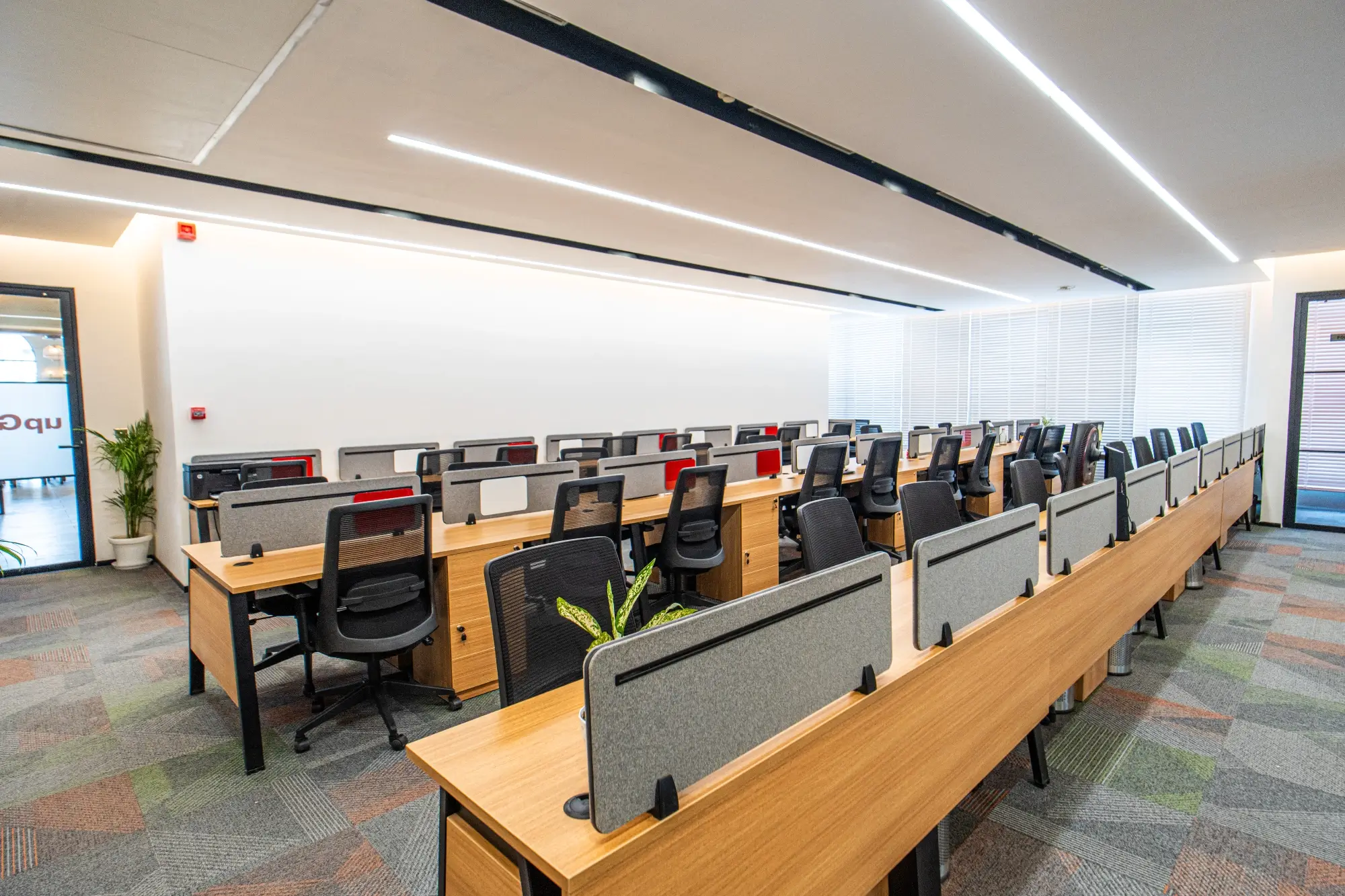
2) Green buildings become the business default
Sustainability talk in Gurgaon has matured into performance. Tenants now ask for water reuse, low-VOC materials, smart lighting linked to occupancy, and credible third-party certification. It is not only about being good citizens; it is about resilience and cost. Better envelopes and controls mean fewer outages, lower bills, and happier teams during long summer months.
If you need an objective yardstick, study the India guidance and case studies around LEED from USGBC and map those checklists to your fit-out brief. On the ground, the shift is visible—more landlords are offering energy data during site tours and aligning on quarterly sustainability reviews with tenants.
How to act: write two non-negotiables into RFPs—quarterly energy/utilisation data, and a pathway to green certification for the fit-out. Buildings that can share this confidently tend to get shortlisted faster.
3) Mixed-use formats win the daily routine
The best office is the one that makes everyday life easy. That is why mixed-use campuses and integrated precincts along Golf Course Extension, NH8 and the SPR interface are pulling demand. When a building puts food, pharmacy, banking, gym, and after-work zones within a short walk, anchor days feel lighter and late meetings do not feel like a penalty. Hybrid weeks love this mix.
For teams that value speed inside such ecosystems, Udyog Vihar offices by AIHP remain a strong value-to-velocity play with good access to NH8 and a deep vendor base around. You can move in quickly and still keep the ecosystem benefits—client-ready lobbies, reliable parking, and practical retail around the block.
How to act: tour your shortlist at peak hour and again at 8 pm on a weekday. If the precinct feels safe, easy, and lively in both slots, the work week will feel lighter for your team.
4) Flex and managed models keep compounding
Flex is not a placeholder anymore. It is a strategy for speed, optionality, and calendar certainty. Startups like the lower upfront cost; GCCs like having a dependable swing space for transitions and project spikes; mid-market firms like one monthly invoice without juggling a dozen vendors. Market trackers across India continue to show flexible workspace as a meaningful slice of absorption—use the India lens in Cushman & Wakefield’s MarketBeat to frame vacancy and effective-rent trends as you plan moves.
In Gurgaon, the pattern is clear: Udyog Vihar for fast move-ins and value, Cyber City for prestige and client-facing rooms, GC/GCER for amenity-rich setups, and the SPR belt for new Grade-A stock with expansion headroom. The common thread is time. A managed path removes the messy middle—one partner, one calendar, and handovers that actually stick.
How to act: if your go-live date is within 60–90 days, push for a managed delivery or flex-plus build-to-suit. Lock expansion rights in-building and hold a 10–15 percent flex buffer so you do not over-lease on day one.
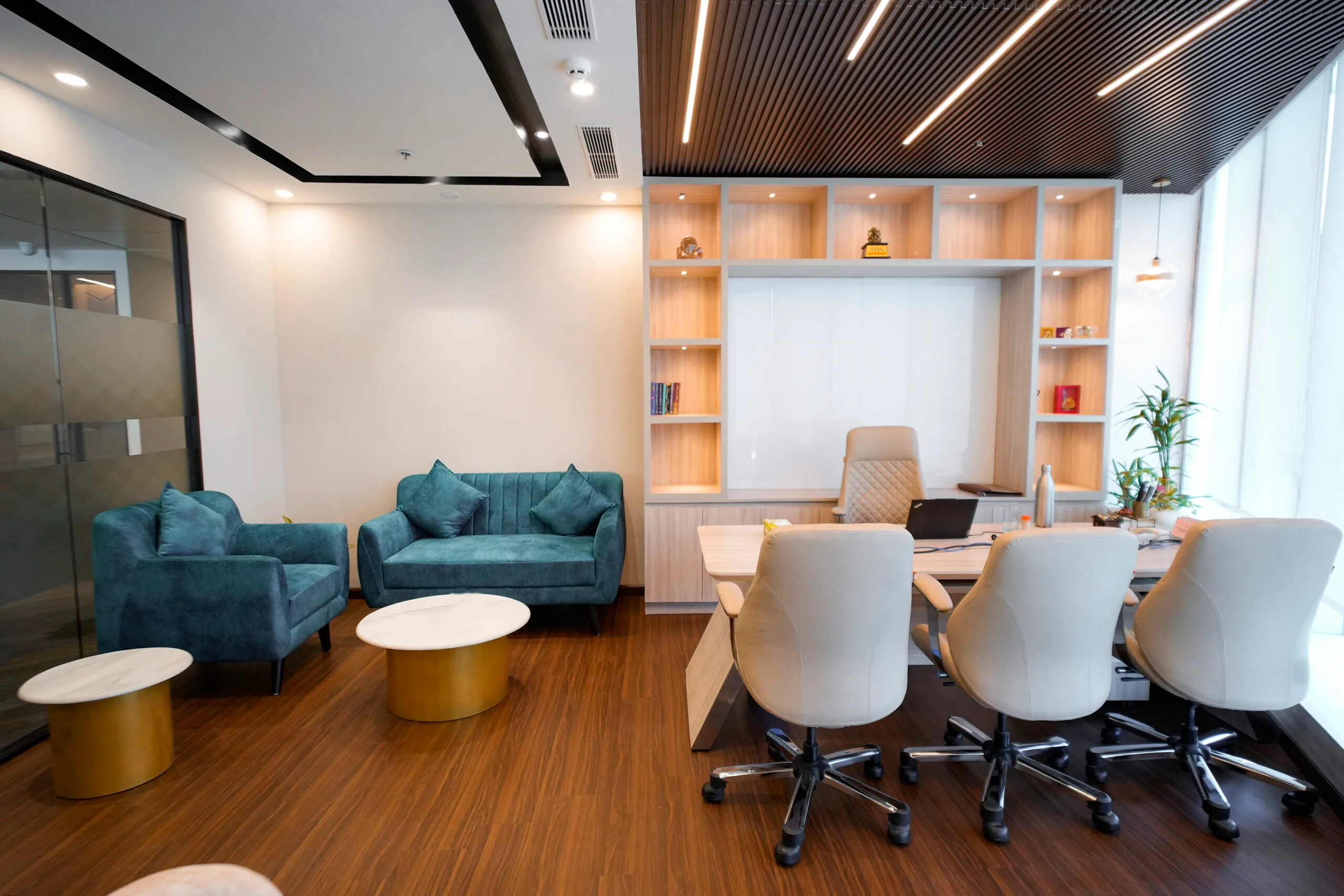
5) SCO formats evolve for work + brand
Shop-Cum-Office (SCO) plots have matured from pure retail to brand-forward work addresses. Well-planned SCO streets near GCER, SPR and sector hubs are attracting boutique consultancies, design studios, and founder-led companies that want storefront visibility with premium workplaces upstairs. For small teams with high client traffic, the blend often beats a pure office tower.
For broader context on how flexible footprints and alternative formats are changing enterprise real estate decisions, CBRE’s India briefs continue to be useful; start with their workspace trend notes in CBRE India insights to benchmark your options.
AIHP offers a series of SCO towers and office spaces in Sector 32, Gurgaon.
How to act: if client visits are your lifeblood, trial an SCO unit as a brand studio plus 20–40 work seats. Track footfall, meeting conversion, and commute before you scale the format.
A 30-day action plan (practical and quick)
Week 1: Shortlist two micro-markets and three formats (tower, mixed-use, SCO). Fix your non-negotiables: commute time, hybrid room count, energy data.
Week 2: Run site walks at peak hour; collect building performance data and draft a room schedule (more small rooms, fewer giant boardrooms).
Week 3: Pilot one hybrid room with dual screens and people-framing audio; run three real meetings and log friction.
Week 4: Choose delivery path—turnkey managed vs multi-vendor build. If speed wins, align a week-by-week calendar on a single contract and include expansion rights.
Conclusion
The future of office spaces in Gurgaon is not theoretical anymore—it is visible in the way teams sign, seat, and scale. PropTech is becoming the operating layer, green design is the default, mixed-use makes the week easier, flex keeps calendars honest, and SCO formats add brand power for the right use cases. If you design for these five truths, your office will feel current in 2025 and sensible in 2027.
Book a consultation for a future-ready workspace and get a timeline tied to your hiring and client calendar via the AIHP contact page.