From 2025 onwards, office demand in India is being driven by three engines that behave very differently on the ground: tech teams building and selling products, BFSI scaling operations and compliance heavy functions, and GCCs expanding into higher value global work. For Gurgaon and Delhi NCR occupiers, this is not just a “market story”. It changes how you plan headcount, how much space you take, and which locations will keep working for you through 2030.
Why sector mix matters in Delhi NCR
When demand is diversified, good buildings stay occupied even if one sector slows for a quarter. That is exactly what the data is signalling. In the latest national snapshot, IT and ITeS led year to date 2025 leasing with a 28% share, while BFSI and manufacturing stayed steady at around 15 to 16%, and GCCs remained a mainstay with a large share of gross leasing according to the JLL India Office Market Dynamics Q3 2025.
For an occupier, that stability matters because it supports longer runway decisions: you can invest in better meeting rooms, better employee experience, and better locations without worrying that the whole market will go quiet overnight.
Driver 1: Tech leasing through 2030 will be about teams, not just headcount
Tech demand is not disappearing. It is maturing. The biggest change is how tech uses space.
What is changing inside tech offices
- More product squads means more sprint rooms, demo rooms, and two to four seater collaboration rooms.
- Engineering work needs quiet focus zones, not constant movement.
- Hiring happens in bursts. Tech teams expand in phases based on product milestones and funding cycles.
What this means for Gurgaon and Delhi NCR tech occupiers
If you are planning for 2025 to 2030, design around “peak days” rather than averages. On a Tuesday, everyone shows up, calls stack up, and suddenly the office feels chaotic. That is why room ratios matter more than raw seat count.
Practical planning move: plan your footprint so you can absorb 15 to 25% growth without relocating. That usually means a swing zone that can become a project bay, plus an extra layer of small rooms that protect focus and reduce meeting spillover.

Driver 2: BFSI demand stays steady because it is process driven
BFSI leasing behaves differently from tech. It does not swing as sharply with sentiment because a lot of the work is operational, regulated, and continuity focused. That consistency is visible in the same JLL 2025 split where BFSI continues to hold a robust share through the year.
What BFSI teams typically need
- Privacy friendly planning with more enclosed rooms and controlled access.
- Reliable building operations with predictable uptime.
- Training capacity, because onboarding and compliance cycles never stop.
What this means for NCR occupiers
If you are BFSI or fintech, do not let the office become a bottleneck. The cost of a poor site is not only commute frustration. It is also loss of productivity when rooms are always booked and training sessions keep getting pushed.
Practical planning move: in your space plan, treat training and privacy zones as core infrastructure, not overflow. It keeps your operations calm when volumes rise.
Driver 3: GCC expansion is the long runway engine from 2025 to 2030
GCCs are no longer only back office. They are increasingly running engineering, data, cybersecurity, finance transformation, and even product adjacent work. That shift is why GCC demand is expected to remain structurally strong.
In Q3 2025, GCCs accounted for 38% of overall office leasing in India, with tech and engineering and manufacturing contributing to more than half of total GCC leasing volume, as per CBRE India Office Figures Q3 2025.
For the longer horizon, ICRA projects the number of GCCs in India rising from around 1,700 to over 2,500 by 2030, with strong growth in workforce capacity, detailed in ICRA’s research note.
What this means for Gurgaon and Delhi NCR
GCCs expand in phases. They rarely take one space decision and stop. That makes two things non-negotiable in NCR: scalability and delivery confidence — the very principles behind our approach in Gurgaon’s GCC setup. If you pick a building where expansion is difficult, you create churn and end up moving teams too often.
Practical planning move: plan a “phase map” from day one. Phase 1 is your current requirement, phase 2 is the next function, phase 3 is your overflow or swing zone. Build this into your lease and your layout.
What occupiers should do differently: 2025 to 2030 planning playbook
Headcount planning: use bands, not one forecast
Instead of one straight line projection, plan three ranges.
Band A: Steady state
You grow slowly. The goal is utilisation and better meeting flow.
Band B: Step change growth
A new client, a new department, a new function. You need swing capacity.
Band C: Surge
A GCC phase, a merger, or a market push. You need rapid delivery and instant rooms.
Rule of thumb: if you cannot comfortably host peak day meetings, your office will feel “small” even if your seat count is high.
Space size planning: plan in modules
Instead of only square feet, plan a repeatable module that you can add.
For 50 to 80 people
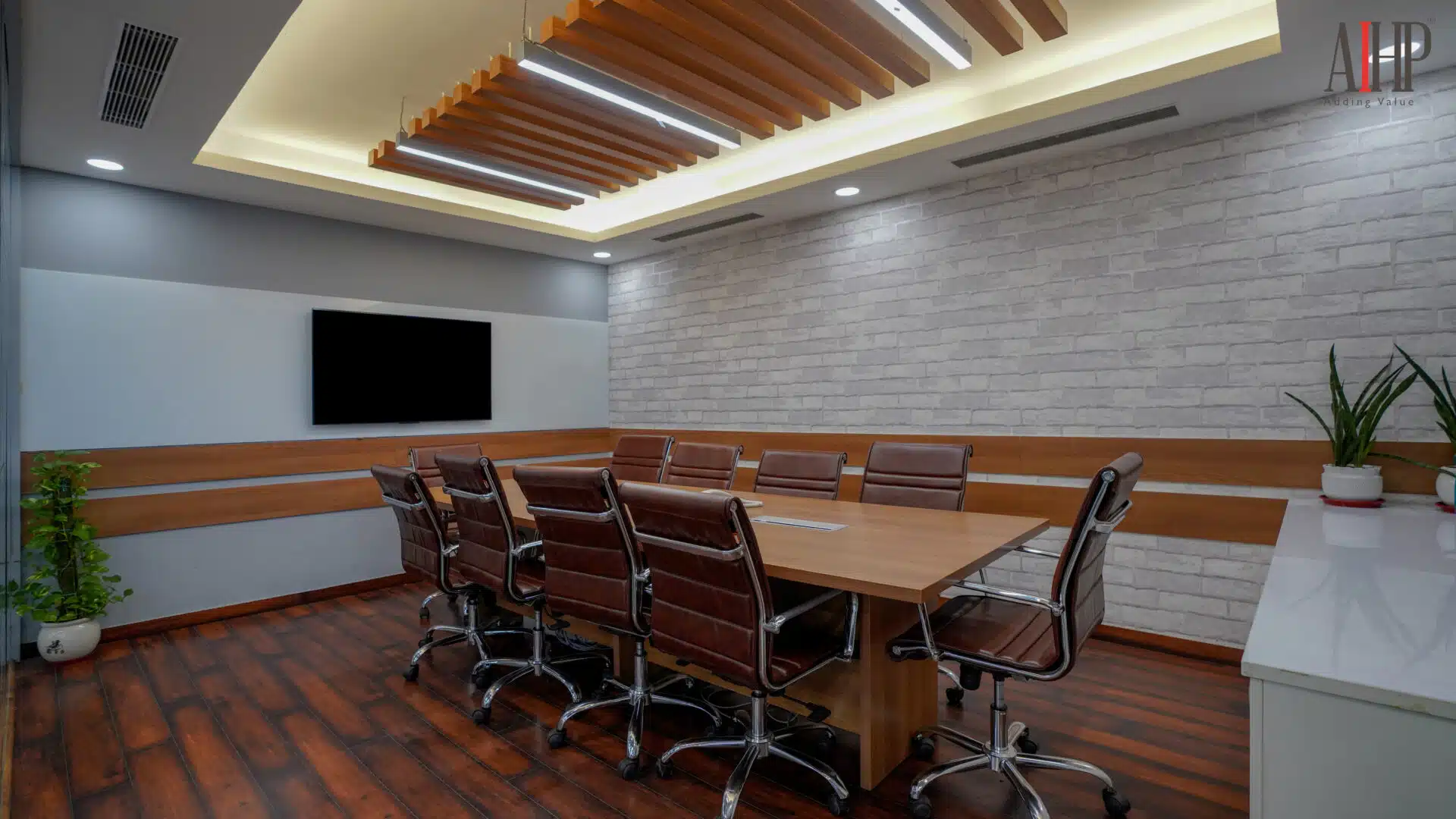
- One strong medium meeting room
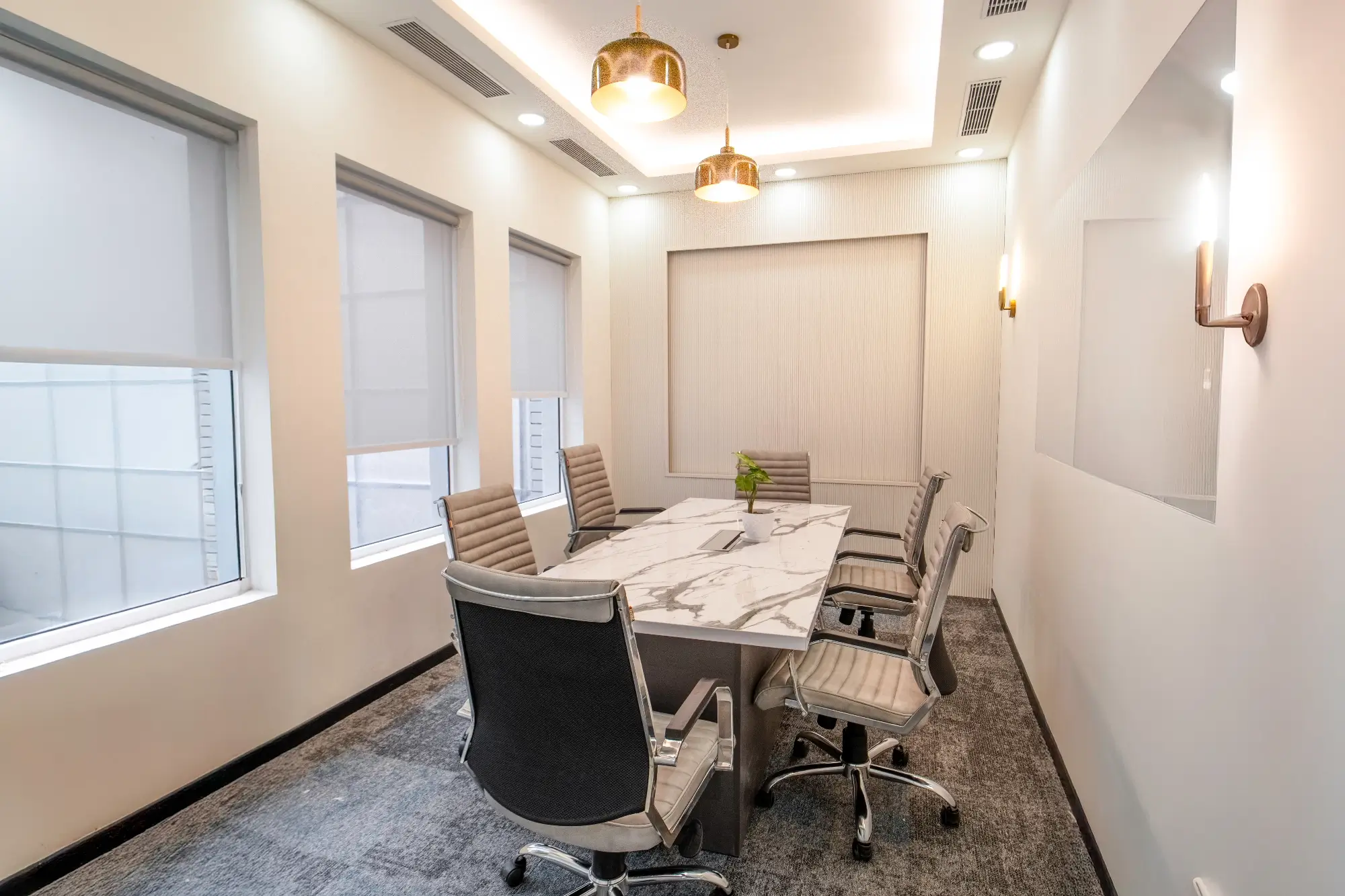
- Two to three small rooms
- One quiet focus zone away from pantry and reception movement
For 120 to 200 people
- Two medium rooms
- Five to eight small rooms
- One training or multipurpose room that can flip into project space
For 300 plus
- A dedicated client zone
- Multiple medium rooms plus one town hall style space
- A clear security and access plan, especially for GCC and BFSI teams
Location strategy: align micro market to sector behaviour
The right location reduces policy friction. The wrong location forces you to “manage attendance” and it becomes political.
Tech led teams
Prioritise talent access and meeting reliability. Your office must make collaboration days effortless.
BFSI and regulated teams
Prioritise predictable commute patterns, privacy capability, and mature operations.
GCCs
Prioritise scalability and the ability to expand in phases without disrupting employee experience.
If you want a faster move in option for a team that needs ready infrastructure, a fully furnished office space in Gurgaon can reduce delivery risk while still giving you enterprise grade meeting and support setups.
How this shapes Gurgaon and Delhi NCR occupier decisions
The simplest way to think about 2025 to 2030 is this: demand is not only about “more seats”. It is about better quality seats, more rooms, and better operations because the work is heavier now. Tech work is deeper. GCC work is higher value. BFSI work is more compliance heavy. All of these raise expectations.
If you want to explore how a managed model can support your headcount bands without vendor overload, you can route your query through the AIHP contact page and ask for a plan that includes Phase 1, Phase 2, and a swing buffer.