Moving an office isn’t like switching apartments. You’re relocating an entire operational ecosystem—people, equipment, data, and daily workflows—while keeping the business running. Get the sequence wrong, and you’ll face downtime, frustrated employees, and budget overruns.
Most companies underestimate how long office relocation in Gurgaon actually takes. The physical move might happen in a weekend, but the real work spans three months. This guide breaks down what needs to happen at the 90-day, 60-day, and 30-day marks, plus the critical week-before and day-of tasks that Operations Heads frequently miss.
90 Days Before Move: Foundation and Decision-Making
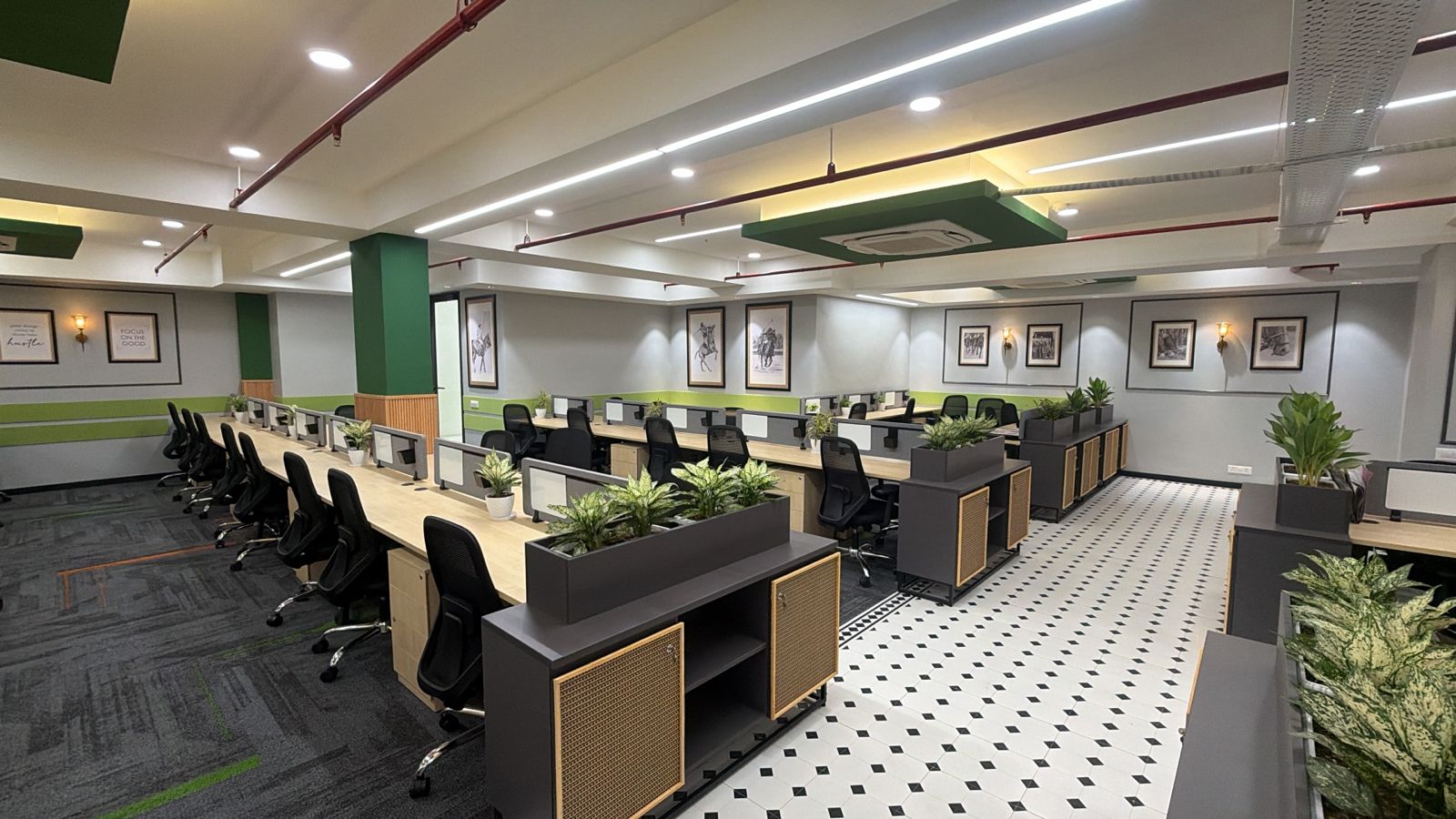
Finalize Your New Office Location
By now, you should have signed the lease or occupancy agreement. If you’re still evaluating options, start with office space in Gurgaon in areas that align with your team’s commute patterns. Gurgaon’s commercial hubs—Udyog Vihar, Sector 32, Golf Course Extension Road, and Cyber City—each serve different accessibility needs.
The lease negotiation phase typically takes 30-45 days for traditional office spaces. If you’re considering managed office space in Gurgaon, this timeline compresses significantly since fit-out and infrastructure are pre-built.
Form Your Relocation Team
Assign clear ownership. Your team needs:
Project Lead (usually Operations Head or Admin Manager): Holds the timeline and budget
IT Coordinator: Manages tech infrastructure, network setup, and equipment migration
Facilities Point Person: Handles furniture, interior fit-out, and vendor coordination
HR Representative: Manages employee communication and change management
Finance Liaison: Tracks relocation costs and vendor payments
Weekly check-ins keep everyone aligned. Monthly check-ins don’t work—too much slips through the cracks.
Create Your Budget with Hidden Cost Buffers
Office relocation costs in Gurgaon typically include:
Physical movers: ₹50,000-₹2,00,000 depending on inventory volume
IT equipment setup and cabling: ₹1,00,000-₹3,00,000
Furniture (if not retained): ₹800-₹1,500 per square foot
Interior modifications: ₹200-₹600 per square foot for minor changes
Downtime costs: Often the biggest hidden expense
According to CBRE’s 2024 workplace strategy report, companies spend an average of 15-20% more than initial relocation budgets due to unforeseen complications. Build a 20% contingency buffer.
Audit Your Current Office Assets
Walk through your current space with a detailed inventory:
Furniture that’s worth moving vs. discarding
IT equipment (servers, networking hardware, desktop systems)
Specialized equipment (printers, scanners, conferencing systems)
Office supplies and stationary
Pantry equipment
Signage and branding materials
Document everything with photos. You’ll need this for insurance claims if anything gets damaged, and for deciding what goes to the new office vs. liquidation.
60 Days Before Move: Execution Planning and Vendor Selection
Hire Your Moving Company
Get quotes from at least three commercial moving companies with Gurgaon experience. Don’t just compare prices—check their insurance coverage, equipment handling certifications, and ask for client references.
Don’t wait until the last minute to tell your team. Announce the move at the 60-day mark with:
New office address and transport accessibility
Timeline and expected move date
What employees need to do (pack personal items, label desk items, etc.)
FAQ addressing parking, commute changes, and amenities
Lock in your moving date now. Good movers in Gurgaon’s commercial corridor get booked out 4-6 weeks in advance, especially during peak relocation months (March-April and September-October when leases typically end).
Begin IT Infrastructure Planning
Your IT migration deserves its own project plan. Work with your tech team or IT vendor on:
Network Setup: New internet connections typically take 2-3 weeks to provision in Gurgaon, assuming the building has existing fiber infrastructure. For office for rent in Gurgaon in newer Grade A buildings, carriers like Airtel, Tata, and Jio have pre-wired connectivity, reducing setup time.
Server Migration: If you’re running on-premise servers, plan for either a phased migration or a complete weekend cutover. Cloud-based operations simplify this considerably.
Phone Systems: VoIP systems are easier to relocate than traditional PBX setups. If you’re on legacy systems, this might be the right time to upgrade.
Backup Everything: Run complete backups of all systems one week before the move and again the night before.
Start Employee Communication
Don’t wait until the last minute to tell your team. Announce the move at the 60-day mark with:
New office address and transport accessibility
Timeline and expected move date
What employees need to do (pack personal items, label desk items, etc.)
FAQ addressing parking, commute changes, and amenities
Resistance to office moves usually comes from commute anxiety. If your new location changes travel patterns significantly, address this head-on with transport solutions or flexible reporting times during the transition period.
Handle Regulatory and Compliance Requirements
Gurgaon office relocations involve specific compliance steps:
RERA Registration: If your new space is in a building requiring RERA registration, ensure the developer or landlord has this sorted. You’ll need these documents for address changes.
GST Address Update: File Form GST ITC-04 within 30 days of moving to transfer input tax credit to your new place of business.
Shops and Establishment Act Registration: Update your registration with the Haryana Labour Department. This typically takes 7-10 working days.
EPFO and ESIC Updates: Notify regional EPFO and ESIC offices about your new address. Employees’ PF records need this updated information.
ROC Filing: If you’re a registered company, file Form INC-22 with the Registrar of Companies to update your registered office address (if applicable).
Many companies miss these regulatory steps and face penalties during audits. Set reminders for each filing deadline.
30 Days Before Move: Final Preparations and Detailed Scheduling
Finalize Your Move-Day Schedule
Create an hour-by-hour timeline for moving day:
When will packers arrive?
Which departments move first? (Usually IT infrastructure and then department by department)
What time will items arrive at the new location?
Who’s responsible for supervising the unload and setup?
When do internet and phone systems go live?
When can employees report to the new office?
Share this schedule with your moving company, building management at both locations, and your entire team.
Coordinate with Building Management
At Your Current Office:
Reserve service elevators for moving day
Confirm insurance requirements for moving company
Schedule final walkthrough for deposit refund
Arrange for meter readings (electricity, water)
At Your New Office:
Confirm access permissions for moving day
Get parking allocation details for the moving trucks
Verify that basic utilities are functional
Check if building management requires any specific compliance from movers
Update Business Collateral and Signage
This is surprisingly time-consuming:
Order new letterheads and business cards (2-week lead time)
Update your website with the new address
Change Google My Business listing
Update address on all marketing materials
Notify banks, vendors, and clients about the address change
Update email signatures company-wide
Create a master list of everywhere your address appears and work through it systematically.
Pack Non-Essential Items Early
Start packing things you won’t need in the final 30 days:
Archived files and old records
Extra furniture and equipment
Promotional materials and marketing collateral
Seasonal items
Label everything clearly with both the current location and destination area in the new office. “Conference Room A” means nothing to movers—use “Second Floor, Northwest Corner, Conference Room.”
7 Days Before Move: Last-Minute Preparations
Communicate Downtime Windows
Send a company-wide notice about:
Expected downtime periods for internet, email, and phone systems
When the office will be non-operational
Remote work arrangements during the transition
Emergency contact numbers if critical issues arise
Run IT System Tests
If possible, set up a test environment at the new office:
Verify internet connectivity speeds
Test phone system functionality
Check that video conferencing systems work
Ensure Wi-Fi coverage throughout the space
Test printer and scanner connections
Finding problems now saves hours of frustration on Day 1.
Confirm All Vendor Arrangements
Call every vendor to reconfirm:
Moving company arrival time
Internet service provider activation date
Furniture delivery schedules
Cleaning crew for the old and new offices
Security system installation (if applicable)
Personal Item Reminders
Send employees a final reminder to:
Pack personal belongings
Label items clearly with their names
Remove confidential documents from desks
Back up any local files (though everything should be on shared drives)
Moving Day: Execution and Oversight
Have Your Core Team On-Site
Your relocation team should split between both locations:
Project Lead and IT Coordinator at the new office
Facilities Manager and one other person at the current office
This ensures issues get addressed immediately at both ends.
Document Everything
Take photos and videos at both locations:
Current office before packing starts (for deposit refund purposes)
Items as they’re loaded onto trucks
Condition of equipment and furniture during transport
New office setup
If damage occurs or items go missing, this documentation becomes critical.
Supervise the Setup
Don’t let movers randomly place items. Have your floor plan ready and direct placement of:
Workstations and desks
Meeting room furniture
IT equipment and server racks
Pantry appliances
Reception area setup
Fixing poor placement later wastes time and often requires re-hiring movers.
Week 1 in Your New Office: Stabilization and Troubleshooting
The first week isn’t business-as-usual. Plan for:
IT Issues: Network slowdowns, printer connection problems, and phone system quirks are inevitable. Keep your IT team available for quick fixes.
Furniture Adjustments: Desks that looked fine on paper might need repositioning. Build in 2-3 days for minor adjustments.
Employee Orientation: Walk teams through the new space—where’s the pantry, restrooms, fire exits, and parking? This seems obvious but gets overlooked.
Vendor Follow-Ups: Check in with your internet provider, cleaning crew, and security team to ensure everything’s working as contracted.
The first Monday should ideally be a soft start—critical operations only, with room for troubleshooting.
How Managed Office Spaces Change This Timeline
Traditional office relocation timelines assume you’re handling fit-out, infrastructure setup, and vendor coordination yourself. Managed offices compress this significantly.
With managed office space in Gurgaon, you’re typically looking at:
No fit-out phase (spaces are pre-built)
Pre-installed IT infrastructure and internet connectivity
Furniture already in place
Operational utilities and facilities management from day one
This reduces your 90-day timeline to roughly 30-45 days, with most of that time spent on internal preparation rather than construction and infrastructure setup. AIHP’s 60-day delivery model for build-to-suit spaces still beats traditional office setup timelines by 3-4 months.
For companies that can’t afford extended downtime or want to minimize relocation complexity, this model makes execution substantially simpler. The Ultimate Guide to Managed Office Spaces provides a detailed comparison of relocation requirements for different office types, including checklists specific to managed vs. traditional setups.
Cost Management During Relocation
Office moves in Gurgaon typically range from ₹3,00,000 to ₹15,00,000 depending on:
Office size (number of employees and square footage)
Distance between locations
Amount of furniture and equipment being moved
Level of IT complexity
Whether you’re doing fit-out work at the new space
The biggest cost overruns come from:
Underestimating downtime impact on revenue
Last-minute vendor changes due to poor planning
Discovering infrastructure gaps at the new office
Employee productivity loss during the transition period
According to a 2024 JLL report on workplace transitions, companies that follow structured relocation timelines spend 30-40% less than those attempting rushed moves. The data shows that adequate planning time correlates directly with lower total relocation costs.
Conclusion: Preparation Determines Success
Office relocation isn’t inherently complicated; it just involves a lot of moving parts that need proper sequencing. Companies that struggle usually start too late, underestimate the time required, or assume things will “just work out.”
Your biggest advantage is time. A 90-day runway gives you room to handle unexpected issues—delayed ISP installations, furniture delivery problems, or regulatory filing complications—without derailing the entire move.
The second advantage is structured planning. Use this checklist as your baseline, but customize it for your specific needs. A 20-person startup moves differently than a 200-employee enterprise.
If you’re planning an office move to Gurgaon and want to explore workspace options that eliminate fit-out delays and infrastructure headaches, get in touch with AIHP to discuss your requirements. For a detailed comparison of relocation timelines and cost structures across different office types, download The Ultimate Guide to Managed Office Spaces.