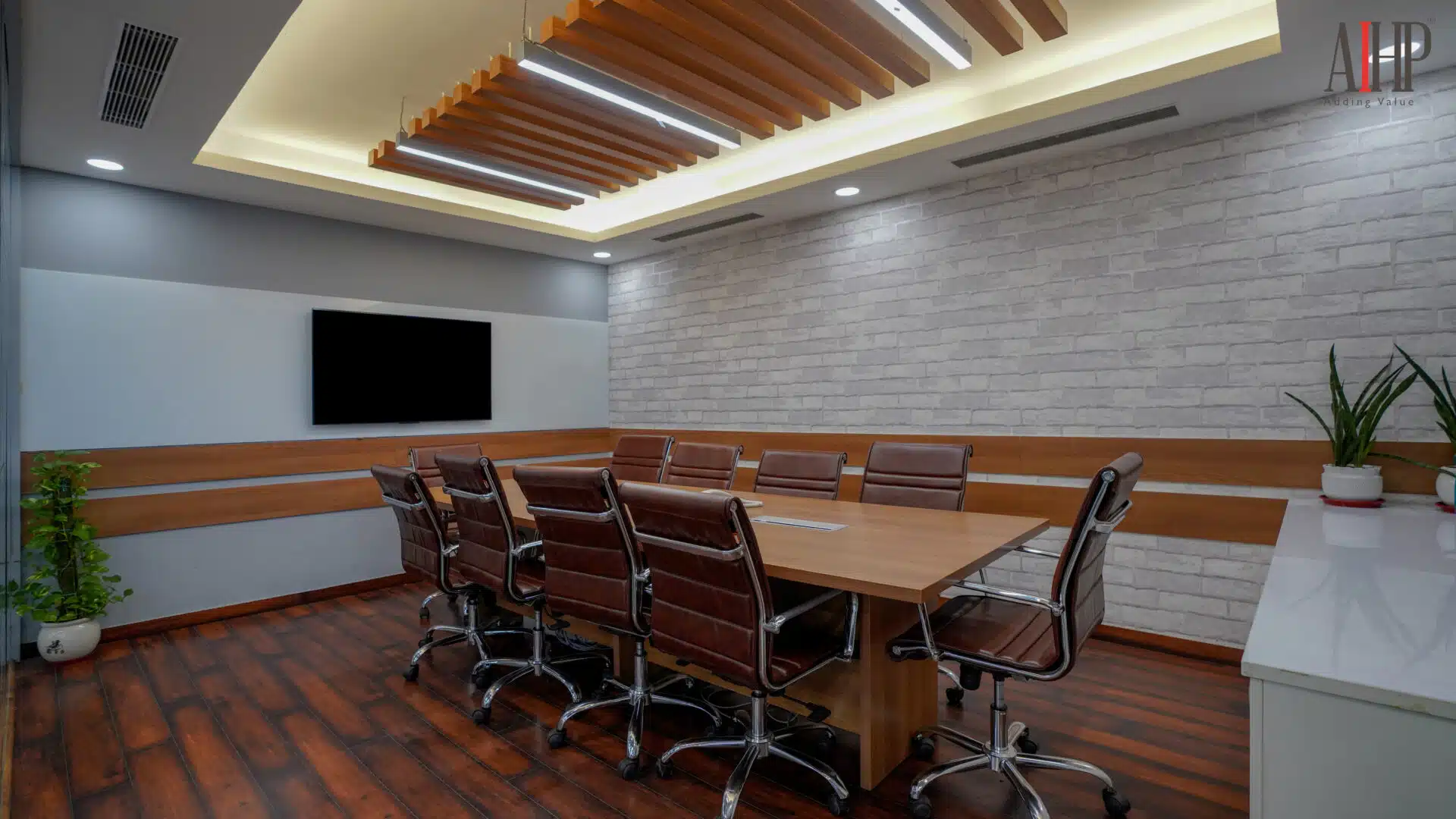
Gurgaon has become the simple answer to a complicated question. Where can a private investor turn one well timed office bet into a repeatable playbook. The short answer is a market with decision density, large floor plates, and strong tenant depth. That is Gurgaon. The longer answer is about discipline. Investors who scale from one asset to four do it by buying speed, underwriting tenant stickiness, and improving operations rather than chasing cosmetic upgrades. In this guide we walk through a practical framework using a model case inspired by EAAA India Alternatives Ltd. to show how private capital can grow intelligently without taking lottery style risk.
The new private playbook in one page
Private investors who compound in Gurgaon usually follow four moves.
- Enter where effective vacancy is tightening rather than where sticker rents look cheapest. Quarterly city reads like JLL India Office Market Dynamics help you spot sub markets where concessions are shrinking and handovers are firming.
- Back assets that can hand over quickly and keep tenants operational. That is where a managed layer and ready infrastructure beat a bare shell.
- Lock in anchor tenants with expansion rights in the same building to reduce churn.
- Use data to fine tune operations so the building runs like a service. That makes renewals less painful and referrals more likely.
Do this twice and reinvest proceeds into the next two assets. That is how portfolios quietly quadruple in three to four years without a publicity chase.
Why Gurgaon works for this strategy
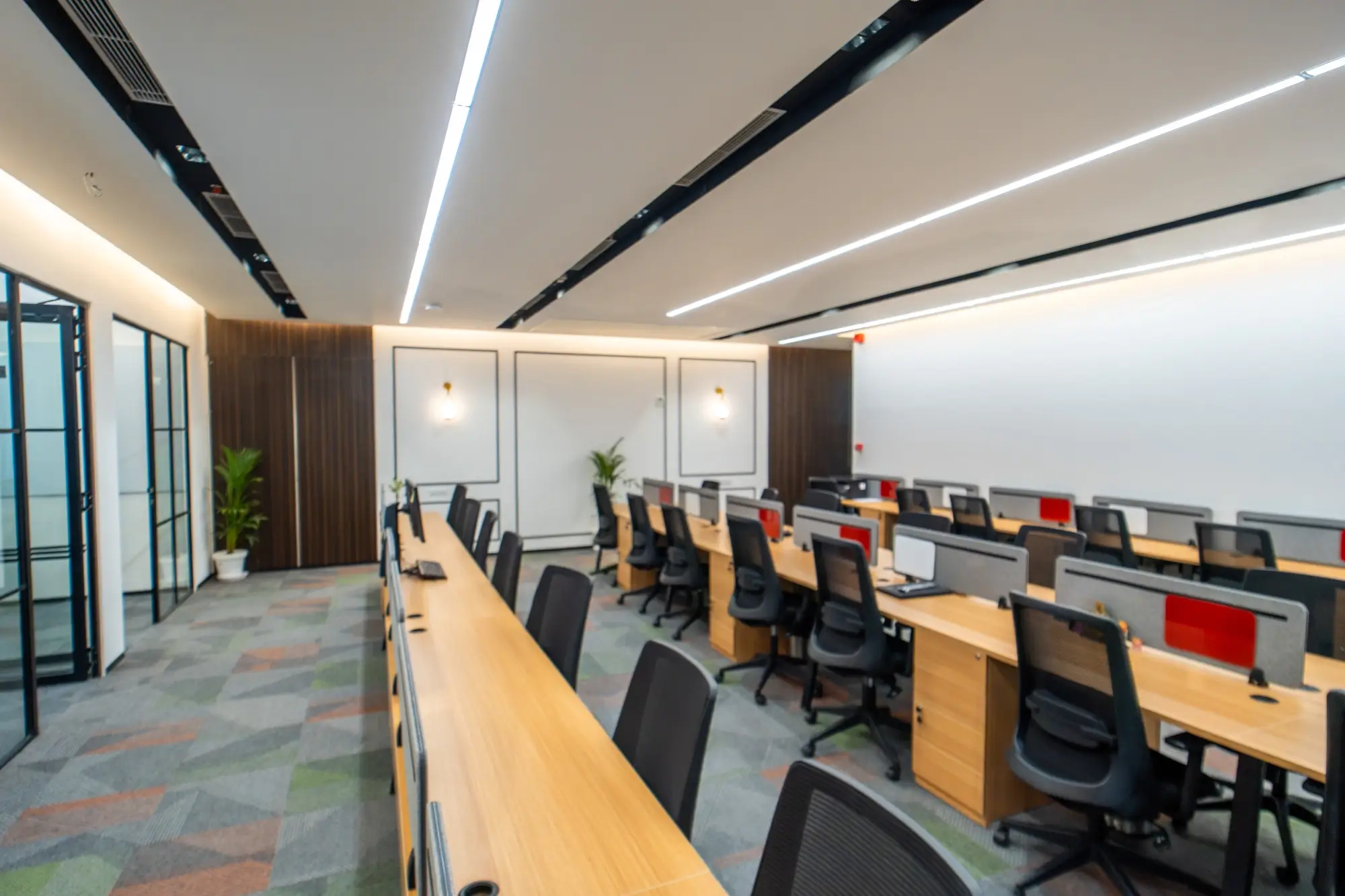
Gurgaon concentrates enterprise buyers, partners, and talent within a short drive. It offers large contiguous floors near transit and NH8 and a growing belt along Dwarka Expressway and SPR. When demand is broad based, absorptions stay steady and renewals are less cyclical. You can see this dynamic in the rolling city charts inside Cushman and Wakefield MarketBeat India which track GLV, vacancy and movement by corridor. For investors, that depth translates to simpler leasing, faster re positioning, and less dependence on one marquee tenant.
The EAAA style thesis, step by step
Think of this as an operator first approach rather than a pure rent arbitrage.
1) Buy where time is on your side
Target assets that can start a floor within sixty to ninety days. Tenants will pay for certainty. If you plan to offer a managed handover, benchmark your calendar against what a specialist can already deliver through managed offices in Gurgaon and pressure test your own schedule.
2) Prioritise floor plate usefulness
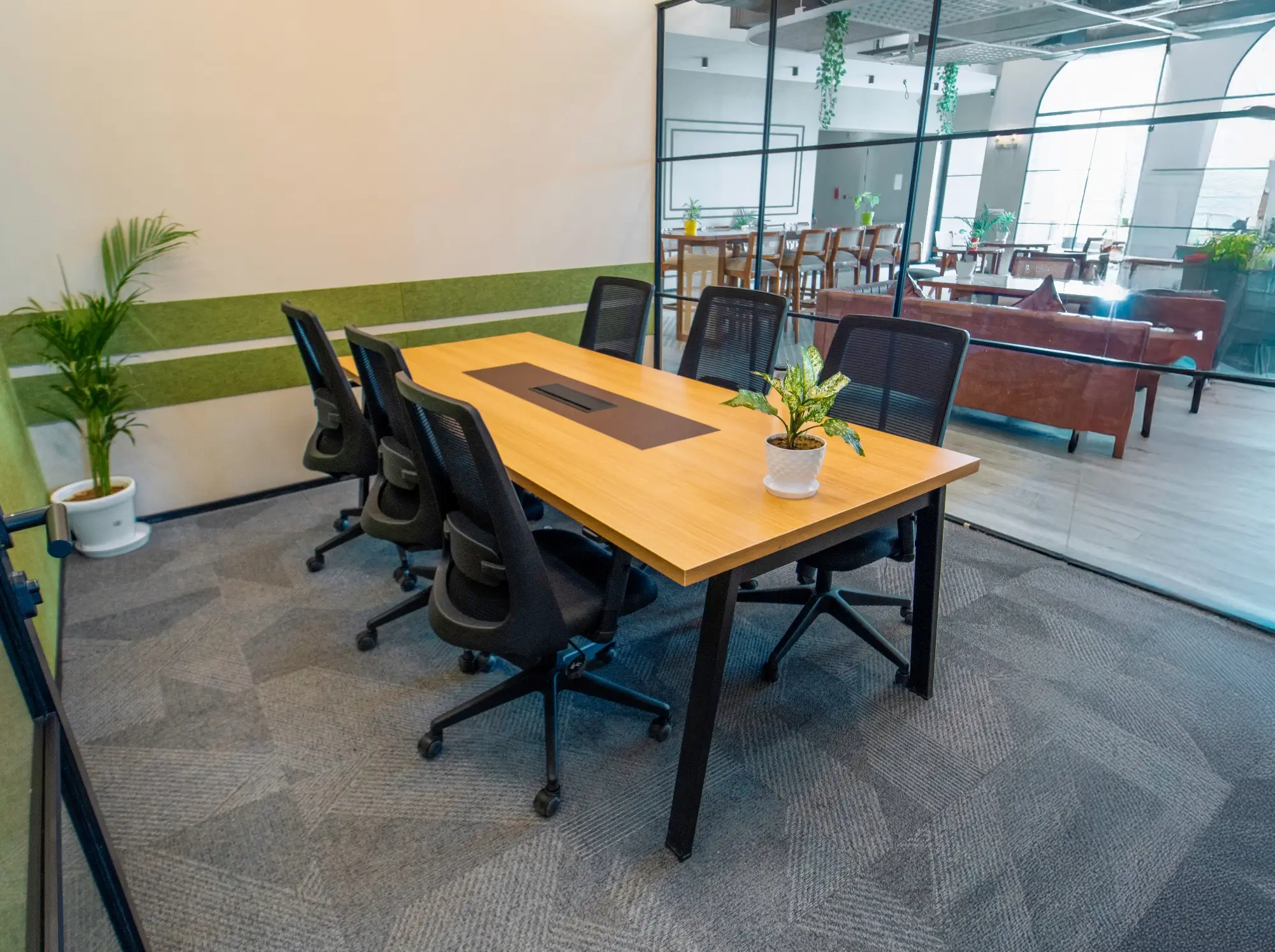
Two to four seat rooms, a few excellent hybrid rooms, and phone pods near busy teams consistently outperform one giant boardroom. Buildings that can accommodate this mix lease faster and renew more predictably. Local office desks such as ETRealty’s office coverage are a good pulse on which micro markets are winning follow on deals after an anchor signs.
3) Underwrite the operating layer
Treat access control, room booking, visitor flow, and AV readiness as part of the investment case. If the floor runs smoothly on anchor days, tenants stay longer. Use trial rooms to verify performance before you scale.
4) Lock options that protect compounding
First right of refusal on adjacent floors and a simple option mechanism let you grow seats without a mid cycle move. That supports re leasing even if the original tenant grows slower than planned.
Micro market choices that favour compounding
- Cyber City: premium visibility and client facing functions. Useful when an anchor is reputation sensitive and willing to pay for proximity.
- Udyog Vihar: value to speed. Strong for product and support teams that require reliable handovers and quick fit out. If you plan to serve this demand directly, map supply against Udyog Vihar offices by AIHP to understand how enterprise adjacency and access shape absorption.
- Golf Course Road and Extension: polished arrival for advisory and design heavy firms.
- SPR and Dwarka Expressway belt: new Grade A stock with expansion headroom where early movers secure options for the next phase.
The mix allows you to place anchors in one corridor and chase cost disciplined scale in another without diluting service levels.

What turns one asset into four
Operational resilience. Investors who compound focus on uptime, drainage and lift performance as much as on lobby finishes.
Commissioning discipline. One working hybrid room becomes the template for the entire floor. Fix audio first and clone the spec.
Transparent data. Energy logs and occupancy heat maps justify rent and guide floor tweaks before the tenant asks.
Capex that hits P and L. Spend where tenants feel the benefit daily. Do not spend where the benefit is only visual.
A quarter by quarter narrative helps when you speak to lenders and incoming partners. When the story is about on time handovers, low complaint tickets, and renewal ratios, pricing conversations become easier.
Risk control the quiet way
There are three risks that can stall compounding. Plan around them early.
- Chasing a bargain in a weak stack. Low sticker rent with slow handover creates hidden vacancy. Use city dashboards and on site tours to validate where concessions are actually tightening. The JLL lens above is useful, but verify at peak hour in person.
- Overbuilding specialty space. You do not need to turn every floor into a server hall. Build data ready offices with clean risers and well planned network rooms and let tenants bring their own density.
- Loose service levels. Dates slip when weekly milestones are vague. Write commissioning, AV readiness, and uptime standards into contracts with remedies for misses.
What landlords can borrow from the investor playbook
Even if you are a pure landlord, you can capture the same momentum.
- Offer a managed handover tier for tenants who value speed.
- Publish quarterly energy and uptime snapshots to build trust in renewals.
- Present a simple expansion path in building so tenants do not shop the market when they grow.
- Make arrival a priority with wayfinding, lighting and lift dispatch that cut friction in the first five minutes.
A simple ninety day plan to start compounding
Week 1 to 2: Shortlist two micro markets and three buildings where handover is realistic this quarter.
Week 3 to 4: Run the same tour script in all three and ask to test one commissioned hybrid room.
Week 5 to 6: Lock an anchor with an option on the next floor. Insist on weekly milestones.
Week 7 to 10: Commission the first room, fix audio, clone the spec, and publish your first energy and uptime snapshot.
Week 11 to 12: Begin conversations for the second asset. Reuse the same operating template.
For a market level view that supports your underwriting, this summary of the quarter where Gurgaon captured the majority of NCR leasing is a helpful cross check: Gurgaon Leads NCR Leasing: 70 Percent Share of Q2 2025 Office Growth. It connects micro market demand to the delivery behaviours tenants reward.
Conclusion
Compounding in Gurgaon is not about guessing the next shiny tower. It is about turning time into an advantage, making floors truly usable, and keeping options in building so growth is painless. If you want a plan that turns the next quarter into a clean start and the next year into two more assets, begin where operating discipline is already productised. Explore office space in Gurgaon and we will map a week by week calendar tied to your hiring and client work so the portfolio can scale with less drama.