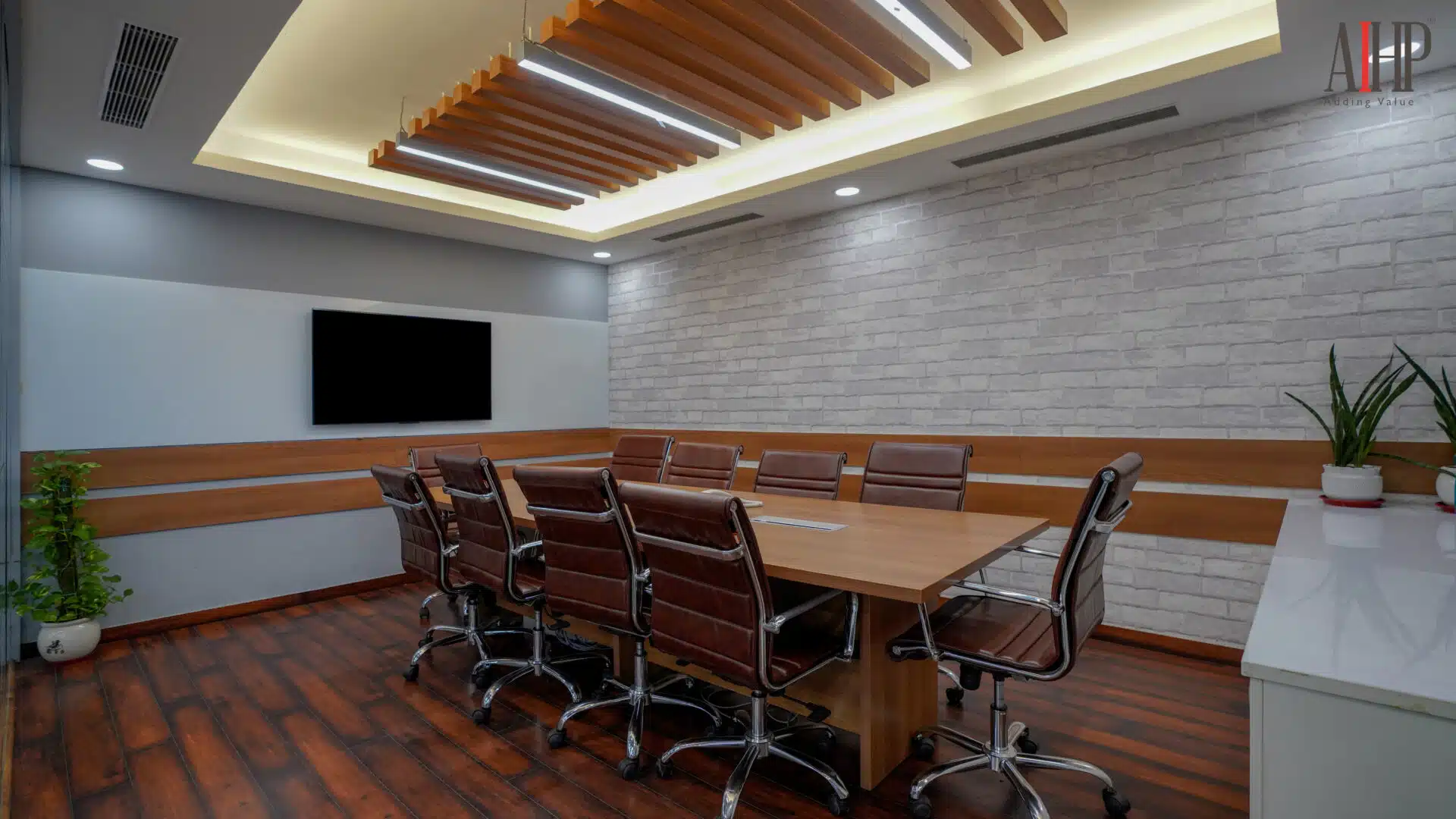
Location is not just real estate. For a CEO, it is distribution, brand, hiring, client access and risk management in one decision. Pick the right address and you shorten sales cycles, lift brand recall and make hiring easier. Pick poorly and you pay with slower decisions, longer commutes and a culture that never quite clicks. In Delhi NCR, where corridors like NH8, Golf Course Road and central spines carry most corporate movement, office location quietly shapes strategy every day.
1) Revenue proximity: put your team near the money
The simplest filter is also the most powerful. Where do your top customers and partners sit, and which corridors do your sales teams travel most often
- Map your top twenty clients and their weekly routes. A location that sits on those paths turns “drop in” meetings into a habit.
- Enterprise and GCC buyers cluster along a few predictable spines. An address on or near those arcs keeps you inside their daily line of sight.
If you want a ready-to-operate base that already sits in high visibility pockets, review Gurgaon options on the AIHP managed offices site and short list spaces that place your team close to buyer traffic across the week. You can start with Udyog Vihar or central sectors and scale up as your pipelines grow inside the same campus.
2) Brand presence without extra media
Frontage on a major corridor is quiet advertising that compounds. Logos on glass, visitor flow at reception, and a recognisable approach road deliver impressions every single day. For B2B brands that sell trust, this matters.
- Visible arrival and a professional lobby set the tone for first meetings.
- Consistent visual cues on a route your clients already use keep you top of mind without buying more media.
Global workplace research links quality of workplace experience with stronger engagement and retention, which indirectly supports brand performance in front of clients who visit often. See the patterns in Gensler’s workplace findings for how environment shapes outcomes.
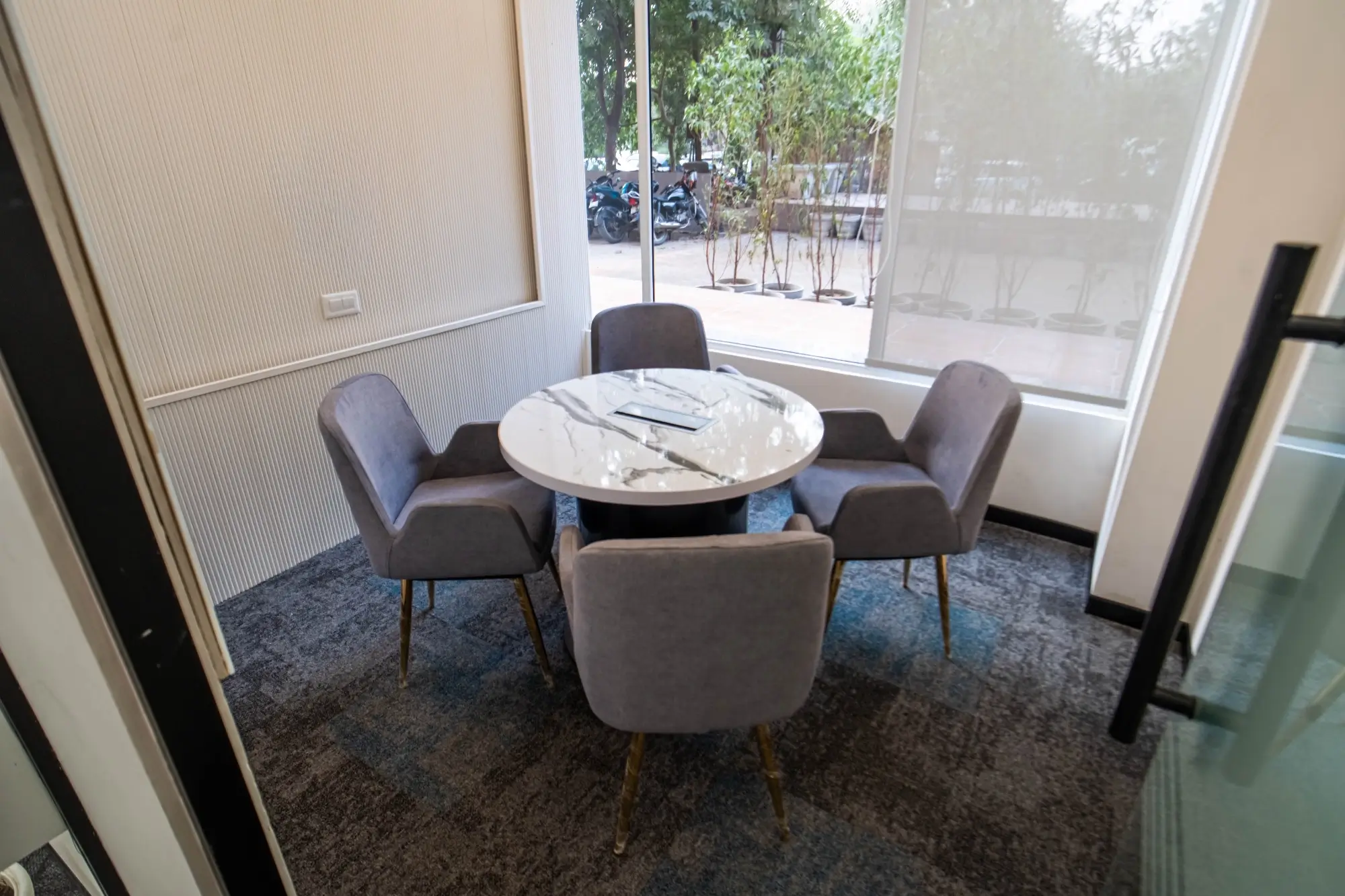
3) Talent access and the commute equation
A great office that people struggle to reach will underperform. Your address should shorten enough commutes to move the needle on attendance and morale.
- Draw fifteen, thirty and forty five minute drive time rings for where your core teams live.
- Align with metro access and safe last mile options.
- Set policies that match the location: anchor days, flexible bands, and meeting rhythms.
Benchmarks from Leesman show why this matters: the average office experience still trails home, so the office must beat home on focus, meetings and tools if you want people to come in regularly.
4) Hybrid rooms that make work feel easy
Location and floorplate are useless if meetings do not work. In 2025, the baseline is simple: clear audio, dual screens in key rooms, and camera framing that shows faces and content together.
- Prioritise audio treatment before big displays.
- For rooms that seat eight or more, add a second camera position and people framing so remote colleagues feel present.
- Standardise join paths across Teams, Zoom or Meet so guests do not struggle.
If you prefer a turnkey path, AIHP integrates meeting room design, AV and facility operations inside one monthly model, which helps you avoid multi-vendor drift while you scale. Start a conversation through the AIHP contact page.
5) Resilience and risk spread
A single flagship site looks good on a deck, but it concentrates risk. CEOs increasingly split footprint by function and risk profile.
- Keep customer facing and hiring-heavy teams on visible, well connected corridors.
- Park back office or specialised pods in value zones with reliable power, redundant connectivity and easy intercampus travel.
- Use building and neighbourhood redundancy to handle disruptions without losing service levels.
Portfolio thinking beats single-site heroics when you are scaling across cycles.
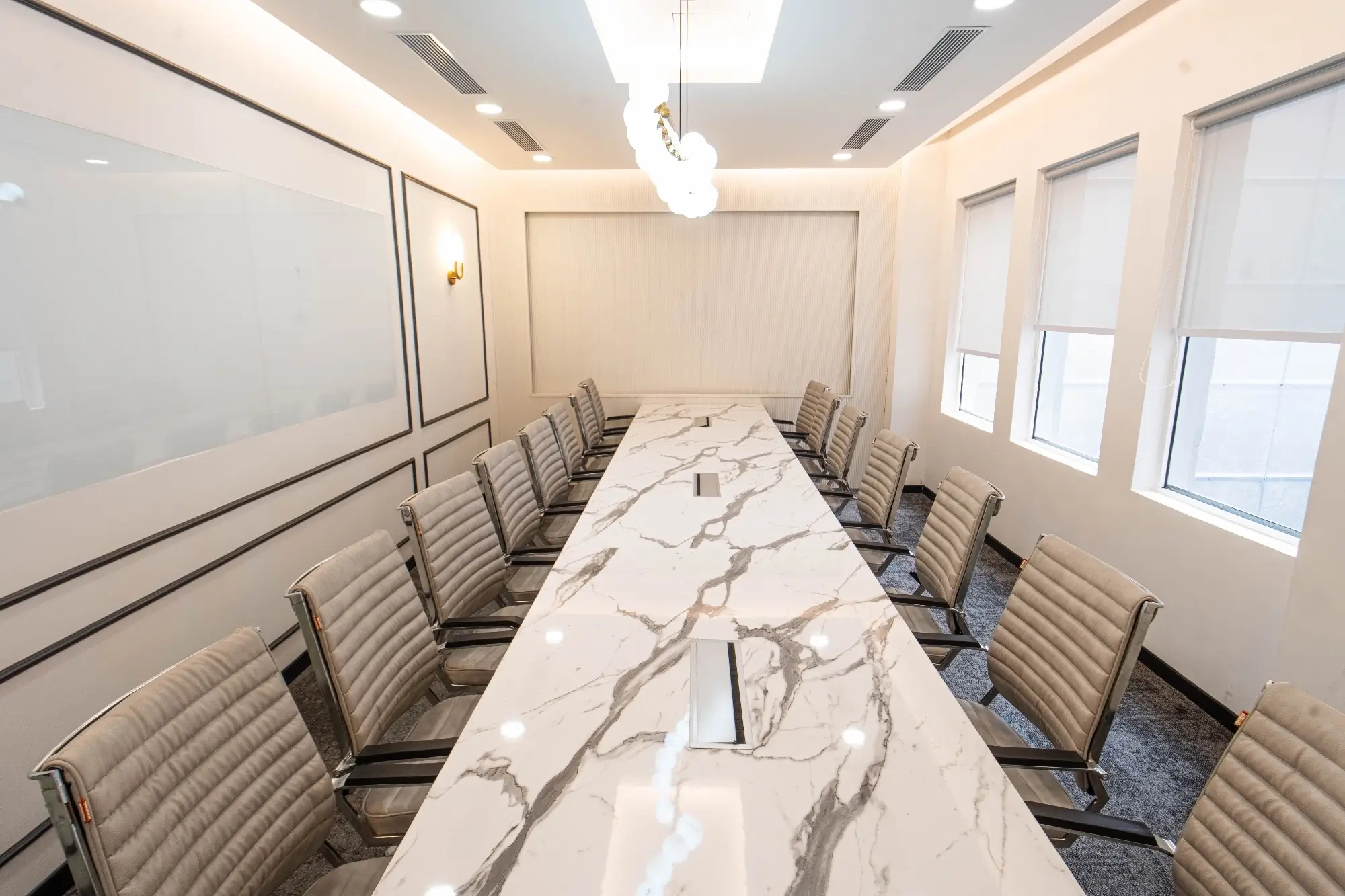
6) ESG and investor signals
Investors and customers now treat environmental performance as table stakes. According to USGBC India is among the top global markets for LEED participation, and Grade A assets increasingly declare performance data that matters day to day: air quality, light, water, energy.
- Ask for building performance numbers during site tours, not only labels.
- In fit outs, use occupancy-based lighting and AV power schedules to trim energy without changing behaviour.
7) Total cost of occupancy, not just rent
Low rent can look efficient until you add churn, lost time and a second move within the first year. Judge value over a twenty four month horizon.
- Model rent, service charge, energy, IT, security, churn risk and refit downtime.
- Add the productivity effect of commutes and meeting quality.
- Compare a traditional lease with a managed option that delivers design, build and operations at speed.
Quarterly reads from CBRE India track how occupiers in NCR are shifting toward faster delivery and flexible models to protect time to market while keeping quality high.
8) Speed to operate and the calendar test
A location decision succeeds when you are live on the date you promised the board. That means a partner who can commit to a calendar, not just a spec.
- Freeze the brief early.
- Standardise furniture and tech to avoid delays.
- Pilot one room pattern, then scale it across floors.
Founders and CEOs who want to move quickly often start in an AIHP managed centre to secure a credible handover date and a single monthly invoice while the business ramps.
As you shortlist addresses, ground decisions in real demand patterns. Our Gurgaon office space trends explainer shows why NH8 visibility, central sectors, and Udyog Vihar scale keep winning. Use those cues to score sites on buyer proximity, commute logic, and meeting readiness before you take a plan to the board.
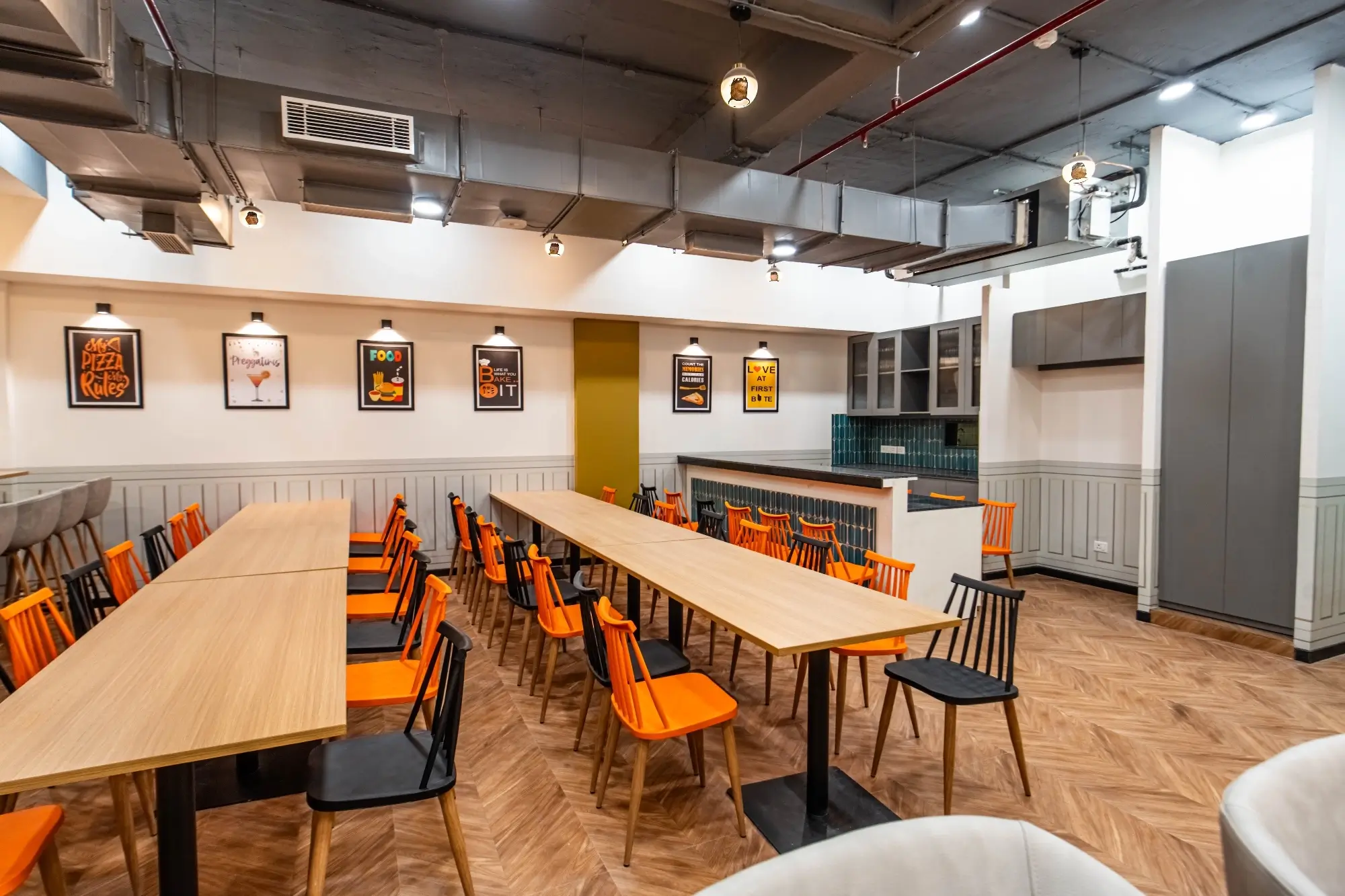
A simple decision playbook for CEOs
Step 1. Map revenue and hiring
List top clients, partner locations and hiring clusters. Score candidate sites for weekly visibility and commute logic.
Step 2. Test meetings, not just carpet
Carry your laptop to a near-finished room and run a real call. If audio and framing are off, fix those first.
Step 3. Compare TCO under two scenarios
Traditional lease vs managed model over twenty four months. Include move risk and refit time, not only rent.
Step 4. Lock a calendar
Ask for a week-by-week delivery plan. If you cannot get a credible calendar, you will not get a credible go live.