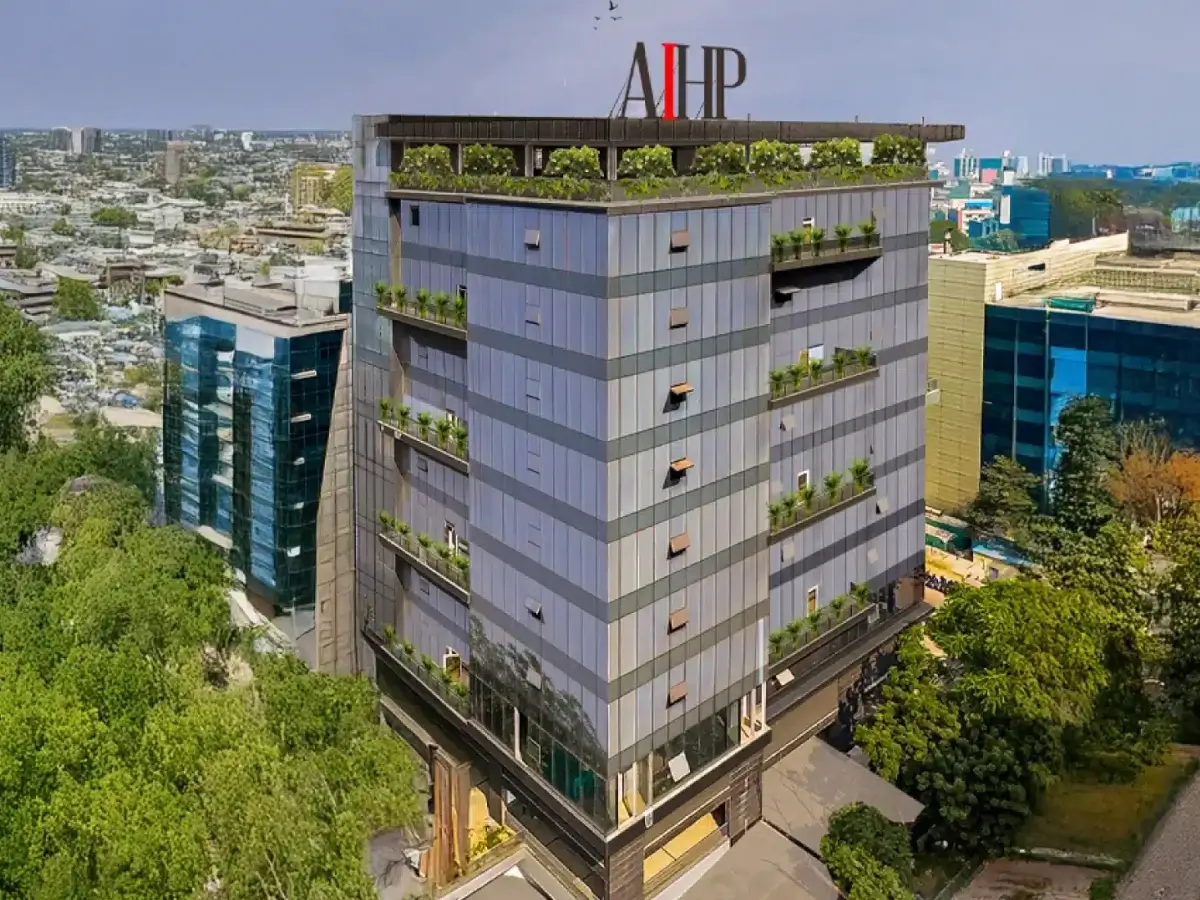
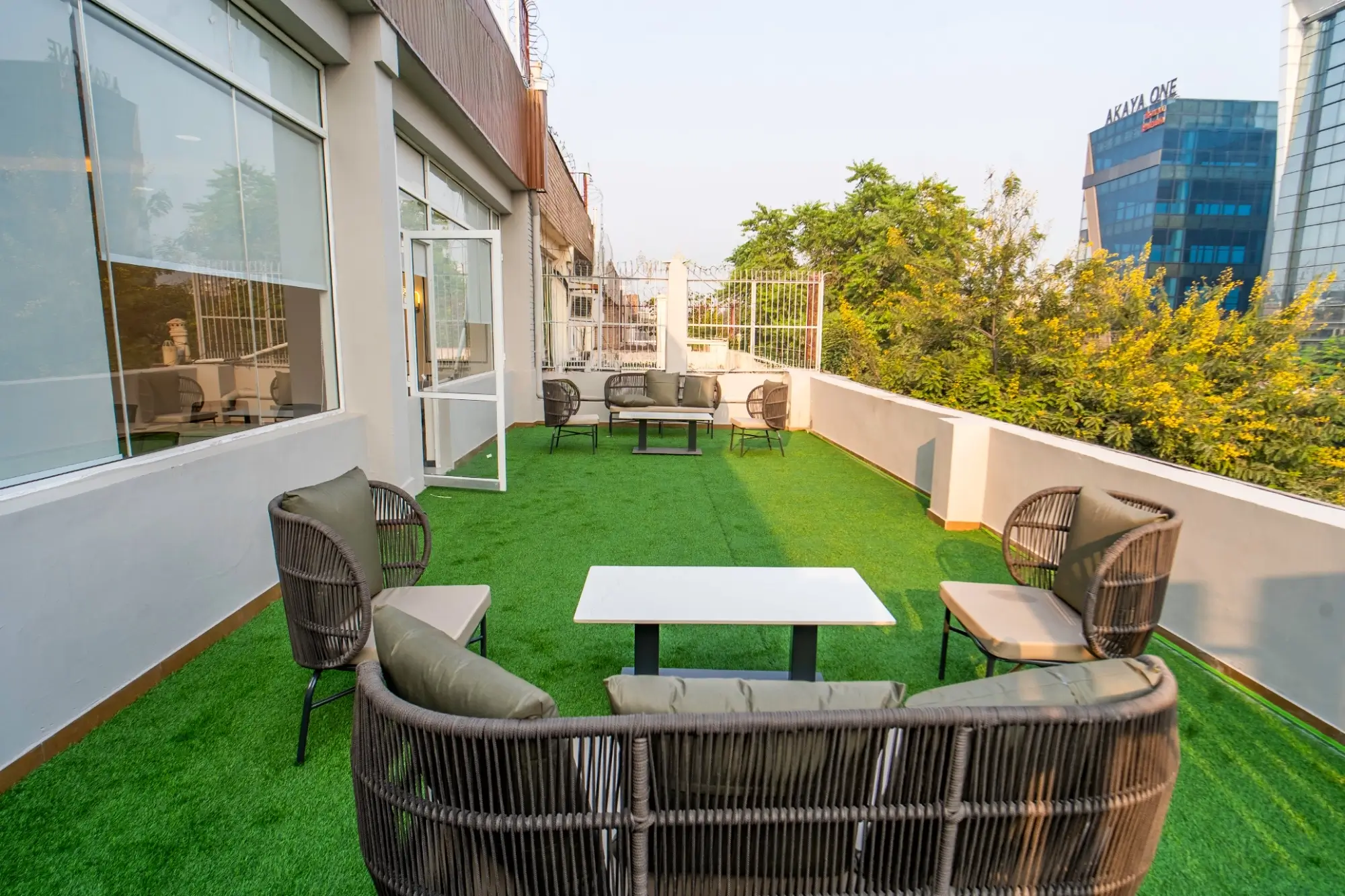
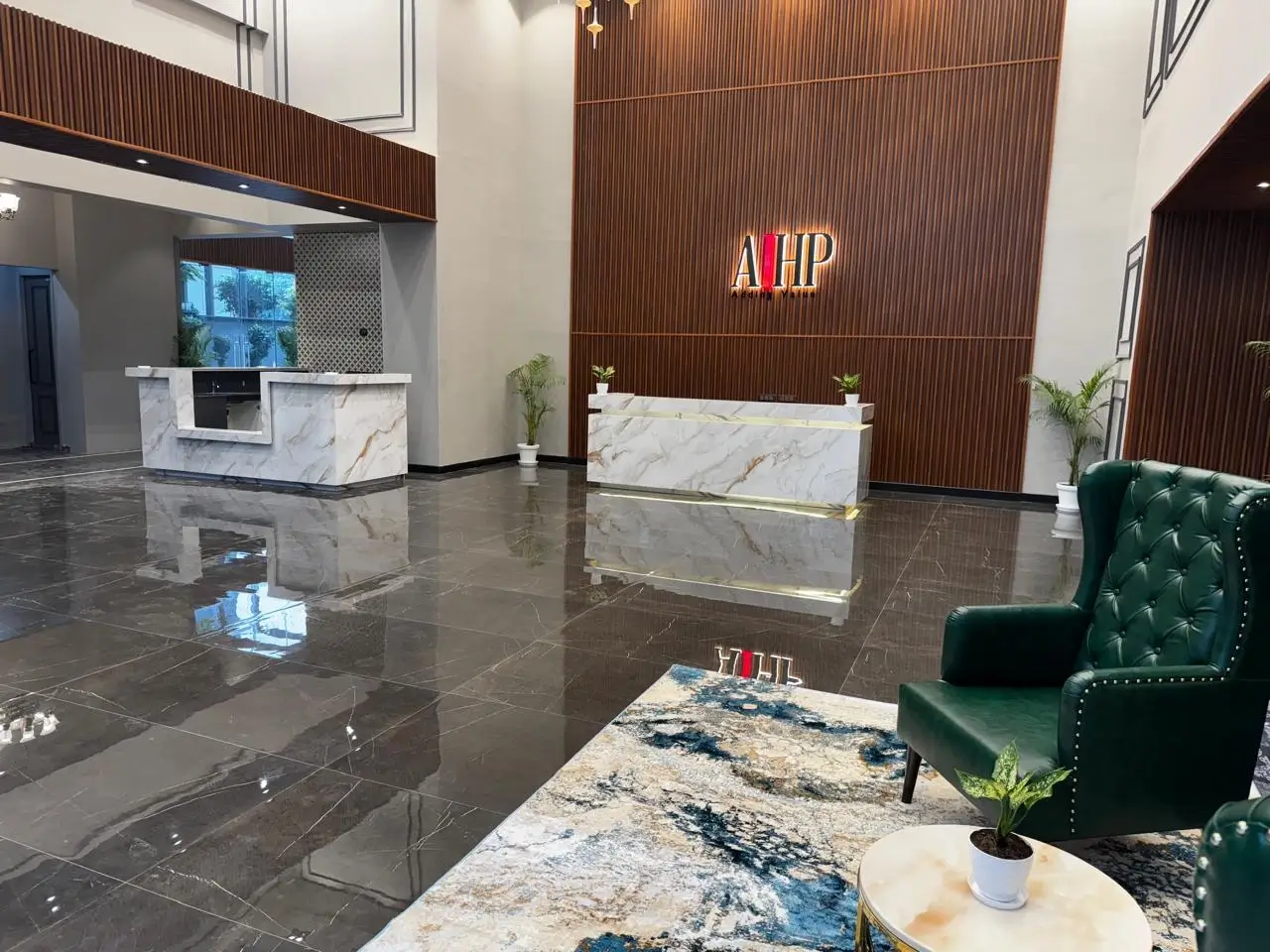
Ask founders and enterprise leaders in Delhi NCR what changed in 2025 and you hear the same line: speed started to matter more than ownership. That shift pushed Workspace as a Service (WaaS) from a side option to the default way to launch, expand, or consolidate. Teams wanted a ready office in the right location, with enterprise grade infrastructure, live in weeks without big upfront spends. The zero CapEx promise stopped being marketing and became a practical operating model. Many occupiers begin their search for office space in Gurgaon, then browse room patterns that already work across NCR on the AIHP blog before shortlisting buildings.
1) Cash is king again: zero CapEx reduces risk and speeds decisions
When funding cycles turned choppy, boards asked a simple question: why block capital in fit outs when a monthly model can do the job faster. WaaS answered with a clean OpEx path. The impact is visible in India’s numbers for early 2025 as flex and managed operators grew their share alongside GCCs and domestic corporates, a trend highlighted in CBRE India’s market view. Instead of waiting on joinery and clearances, teams locked a calendar and went live.
2) GCC momentum plus hybrid work means ready rooms, not shells
GCC growth did the heavy lifting for demand, but hybrid work defined the spec. Meeting rooms had to feel natural for people on video and in the room. That changed what “fit out” means. Rooms now need people framing cameras, dual displays, and real acoustic treatment, not just a big TV at the front. JLL India’s research library shows how tech ready, flexible floors keep moving up enterprise shortlists. If you want to see how this lands on the ground, the earlier AIHP piece on office space trends in Gurgaon explains why Udyog Vihar and central sectors keep winning for teams that need scale without delay.
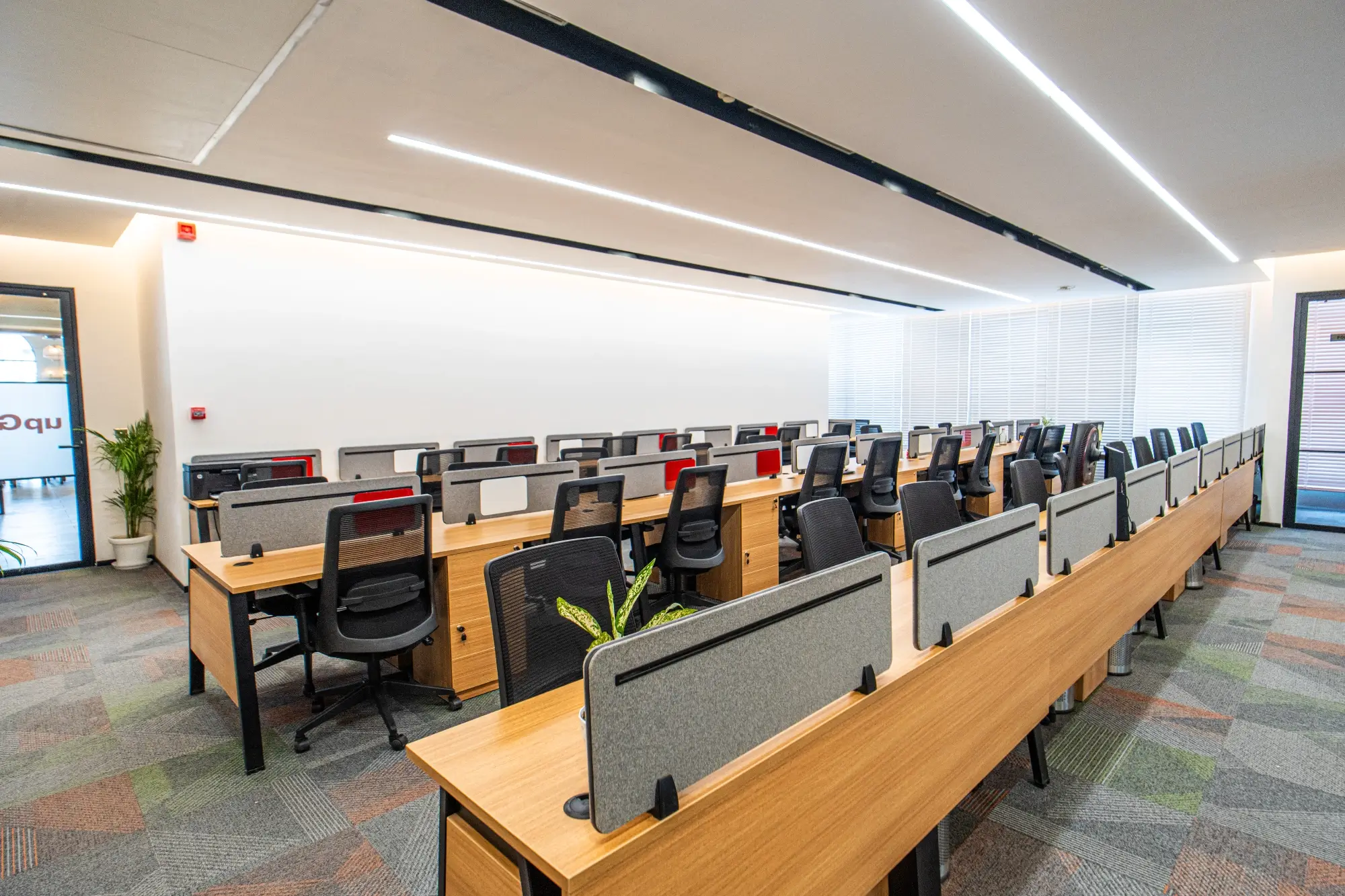
3) The CFO play: total cost of occupancy over 24 months
Rent alone stopped being the yardstick. CFOs modelled total cost of occupancy across two years: rent, services, energy, connectivity, security, churn risk, and the price of one extra move if a plan slips. On that math, WaaS scored because it reduced time to operate and kept surprises low. Mid 2025 updates in CBRE India’s insights also pointed to faster delivery and flexible models to protect timelines.
4) Talent and brand: frontage you do not have to buy
Another quiet driver in Gurgaon is frontage. Addresses on major spines are noticed every day by staff, clients, and partners. You may cut ad spend, but your logo still works on glass, at arrival, and in the lift lobby. That daily recall compounds. Early stage and mid market firms often shortlist office locations in Gurgaon like Udyog Vihar and other central sectors.
5) 60 to 90 day calendars beat “will try” timelines
A managed provider builds the same kind of room again and again. Repetition turns into speed and quality. In 2025, many occupiers shifted from open ended promises to date driven calendars: pilot room by week four, cabling and AV by week seven, staged handover by week eight or nine. Operators with deep vendor benches and standardised specs kept their dates, which is why WaaS felt less like a gamble and more like insurance.
6) ESG and wellness became standard, not premium
Global clients and institutional landlords pulled the market toward better air, light, and energy management. India’s strong LEED participation through 2024 created a common framework for owners and tenants, which you can see reflected in USGBC’s India presence. Operators added occupancy based lighting, AV power schedules, and efficient displays to cut kilowatts without nagging users. For HR, the visible wins were simpler: rooms with low echo, glare free lighting on faces, and clear wayfinding.
7) Data, not guesswork: utilisation shapes the mix
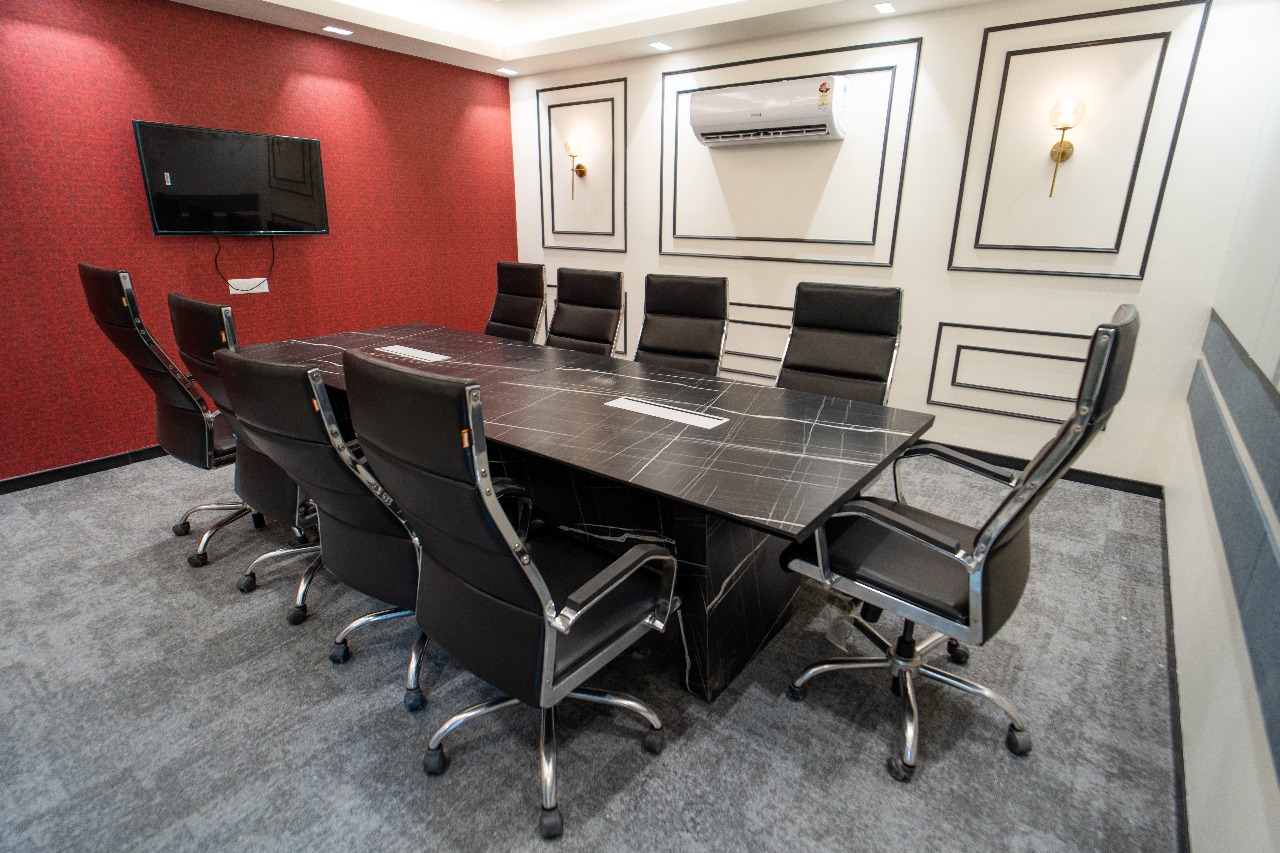
WaaS floors are instrumented by default. Booking data and sensors show which rooms actually work. Over twelve weeks, patterns are consistent: more two to four seater rooms, a few medium rooms with dual screens, and far fewer oversized boardrooms. That feedback loop is another reason WaaS beats bespoke—layouts keep improving without another full design cycle.
8) The founder lens: time back to product and sales
Founders who lived through a DIY fit out rarely want to repeat it. Vendor chasing and late deliveries are a tax on momentum. With WaaS, a single monthly invoice and a support team give you time back. That is why a lot of early teams shortlist on the AIHP managed offices homepage, tour two or three buildings, and lock a plan on the spot.
A simple WaaS adoption playbook for 2025
Week 1 to 2: Decide fast
Shortlist three addresses that make client meetings easier, not just cheaper. Walk them at peak hour. If the commute feels sensible and the arrival looks credible, keep it.
Week 3 to 4: Pilot a room
Ask for one finished meeting room in four weeks. Bring your laptop, run a real call, and fix audio before anything else.
Week 5 to 8: Standardise and scale
Freeze a repeatable layout: focus rooms, small rooms, a few mediums with dual screens, and one collaborative zone that flips from training to workshop.
Week 9 to 10: Staged handover
Move teams in waves, run two client events in the first fortnight, and review real utilisation in week four post move. If you want this with one partner and one calendar, start via the AIHP contact page and ask for a week-by-week plan to go live.
Conclusion
2025 is the year WaaS crossed the line from alternative to obvious. Funding swings made cash preservation sensible. GCC growth and hybrid work changed room specs. CFOs cared about speed and total cost, not just rent. HR wanted places where people could focus and meet. Put it together and zero CapEx offices became the logical choice, especially in Gurgaon where location and time to operate decide who wins the quarter. For context on local momentum, the AIHP office space trends in Gurgaon article is a useful primer.