Introduction
Every July, Gurgaon lands in the news for reasons nobody enjoys. Office goers slog through ankle-deep water, trucks crawl on the highway, and calendars full of client meetings get wiped clean. This year felt familiar, almost predictable. For a city that sells itself as India’s corporate address, the basics have to hold up in rough weather. If they do not, buyers pause, tenants stall decisions, and the market loses a bit of shine.
This piece looks at what the recent flooding did to sentiment, how resilience is quietly becoming the number one filter for commercial property in Gurgaon, and why offices that think ahead of the rain are the ones that keep winning leases.
What July taught us
When rain overwhelms the roads, the immediate pain is obvious. People cannot reach the office, vendor visits get pushed, deliveries miss windows, and the day feels wasted. The hidden cost is trust. A senior admin head said the worst part is not the rain itself but the feeling that the city is always one downpour away from a full stop. That feeling sits in the back of a buyer’s mind when they tour a new tower or a freshly launched park.
You could see the ripple effect in how the market talked about sites right after the heavy spells. Hindustan Times coverage of recent deluges documented waterlogging across key corridors and the city’s emergency response, the kind of pictures decision makers remember when they finalise shortlists. That is the simple lesson. If Gurgaon wants sustainable growth, resilience cannot be a side note. It belongs at the top of the checklist.
How floods translate into real estate risk
Floods do more than delay meetings. They raise practical questions that CFOs and HR heads ask. Will the basement flood if we add more backup power. Will key staff from the western arcs of the city even try to commute on such days. What happens to client events if the access road holds water. When the answers are fuzzy, decision makers slow down or switch to addresses that feel safer.
The impact is sharpest where timing is everything. Fast growing startups and global capability centres cannot afford downtime in their first year on a new floor. Lost days hurt revenue and morale. That is why these occupiers now ask about drainage, pumping, and power redundancy in the same breath as rent and fit out schedules.
Resilience is the new baseline
Ten years ago, location and a shiny lobby could carry a deal. Not anymore. Today’s must haves look more like this:
- Rainwater management that actually moves water away from the building during a cloudburst
- Elevated basements and entry thresholds that prevent seepage
- Backup pumping and power that keep core systems running
- Materials and detailing that tolerate standing water around the site
- Prepared facility teams who follow a practiced playbook on wet days
It is also clear that LEED-certified properties are better positioned to handle extreme weather because the same systems that support efficiency often support resilience. That alignment is why more occupiers ask for proof of sustainable design when they shortlist new offices.
What a resilient office looks like on the ground
Make it concrete. Imagine two towers across the road from each other. One has a beautiful lobby and a well lit facade. The other looks similar but hides a smarter drainage grid, a raised dock, and a basement that does not turn into a swimming pool the moment it pours. On a dry day they look the same. On a wet Tuesday, one keeps the lifts running and the gensets dry while the other goes dark. After a couple of such days, the market remembers which address stayed open.
Resilience also shows up in small details that never make the brochure. The angle of the paved edge so water drains away from the door. The placement of critical electrical panels. The use of finishes that do not peel with repeated moisture. These choices do not photograph well, but they define the user experience.
Why AIHP made resilience a design principle
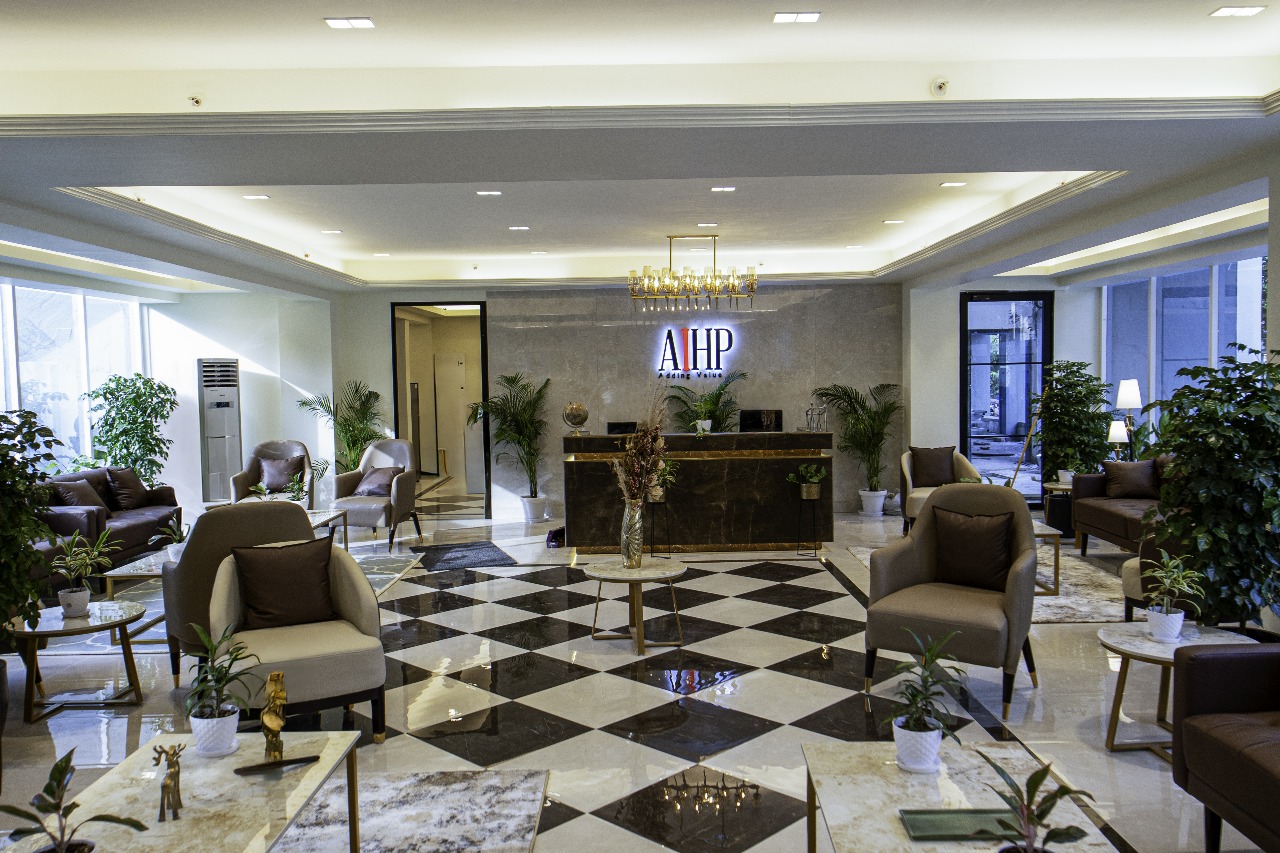
Developers who build in Gurgaon know the pattern, and the better ones design for it. AIHP, for instance, bakes resilience into the brief from day one. You can see that mindset in Udyog Vihar offices by AIHP, where centres like AIHP Millennium prioritise drainage logic and serviceability before the fancy finishes.
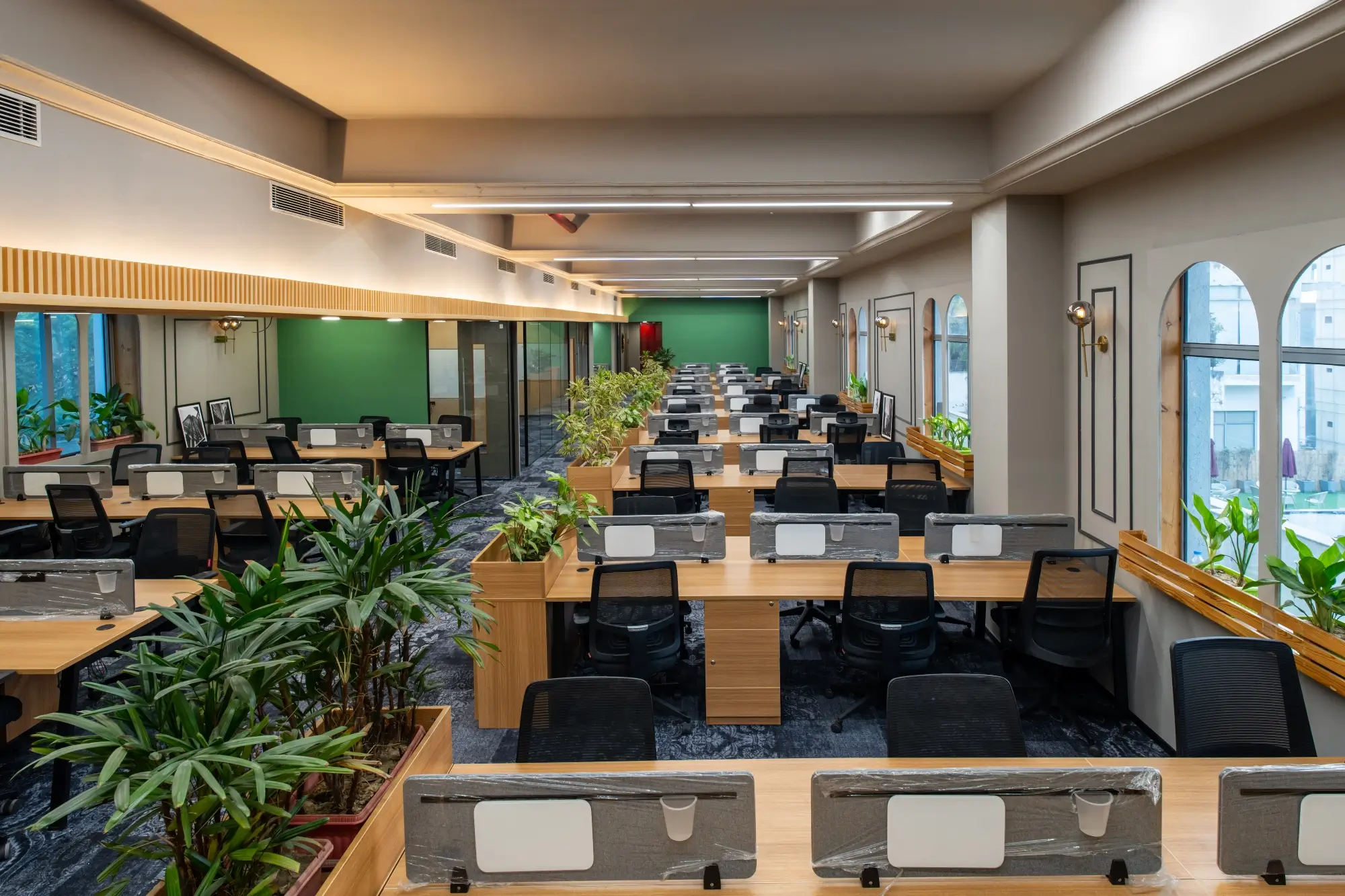
Just as important is the operating model. Many occupiers do not want to juggle five vendors during a busy move. They want one accountable partner who delivers design, build, tech and facility management together and who stands there when the rain tests everything. That is why the managed route is popular in the city, and why teams often begin with AIHP’s managed offices in Gurgaon when time and reliability matter most.
A quick look at July on the ground
City agencies do step up in peak season. The GMDA Flood Control Office publishes operating plans that map how storm water is routed to the master drains and what assets are deployed during heavy spells. For portfolio managers, that level of clarity matters because it shows how private preparedness and public response can work together.
Where demand will move next
History says new infrastructure and proven resilience pull demand in their direction. As more buildings demonstrate solid performance through heavy showers, brokers will steer clients to those addresses first. Expect three patterns to strengthen over the next year:
- Flight to resilient cores where the walk from the curb to the lift lobby stays dry
- Managed and plug and play offerings to close deals faster, because companies do not want to build from scratch while the city is still fixing drains
- Better public realm around winning towers, meaning lit walkways, clear signage, and simple last mile routes that do not become a maze when water stands on the road
The point is not that one pocket wins and another loses. The point is that buildings which plan for rain will lease faster across Gurgaon, including growth corridors where fresh Grade A supply is coming up.
A tenant’s playbook for the next three months
If you have a move on your calendar, a short list like this helps:
- Walk the site after a heavy shower, even if it means a weekend visit
- Ask the property team to trace the water path from roof to storm drain and from basement to pump out
- Check thresholds and panel positions, and the backup strategy for pumps and power
- Run a pilot day inside the almost finished space with your own laptops and a couple of client calls, then review the recordings for audio and power stability
- If speed matters, push for a managed delivery with one calendar and weekly checkpoints rather than stitching vendors yourself
Investor lens
For investors, the logic is straightforward. If a building shows strong performance through two monsoons, yields reward that proof. Leasing teams can market it more easily, renewals get less tense, and vacancy behaves. As global capital asks for ESG evidence and practical resilience, Gurgaon assets that can document performance will hold a pricing edge. Think of it as a quality premium that sits on top of location.
What the city must fix
Resilient buildings are only half the equation. The public realm has to carry its weight: clear storm water paths, fewer choke points, better signage during diversions, and feeder services that still run on wet days. Private players can do their bit inside the boundary, but the last hundred metres to the station or the office gate is where the day is won or lost. The good news is the conversation has shifted from complaint to design. The better news is that each cycle of upgrades leaves the city stronger than the last.

Conclusion
Floods used to feel like rare events. In Gurgaon they are now seasonal reminders that growth needs stronger foundations. Companies will keep coming to this city for its talent, address value, and network of clients. The ones that stay are the ones who build resilience into their offices. That is why the market is rewarding towers that drain well, power through, and welcome people with dry floors and working lifts when the weather turns rough.
If you are planning a move, keep the test simple: walk the site in the rain, ask the awkward questions, and pick the partner who can answer without hunting for a file.See how AIHP buildings are designed for resilience.