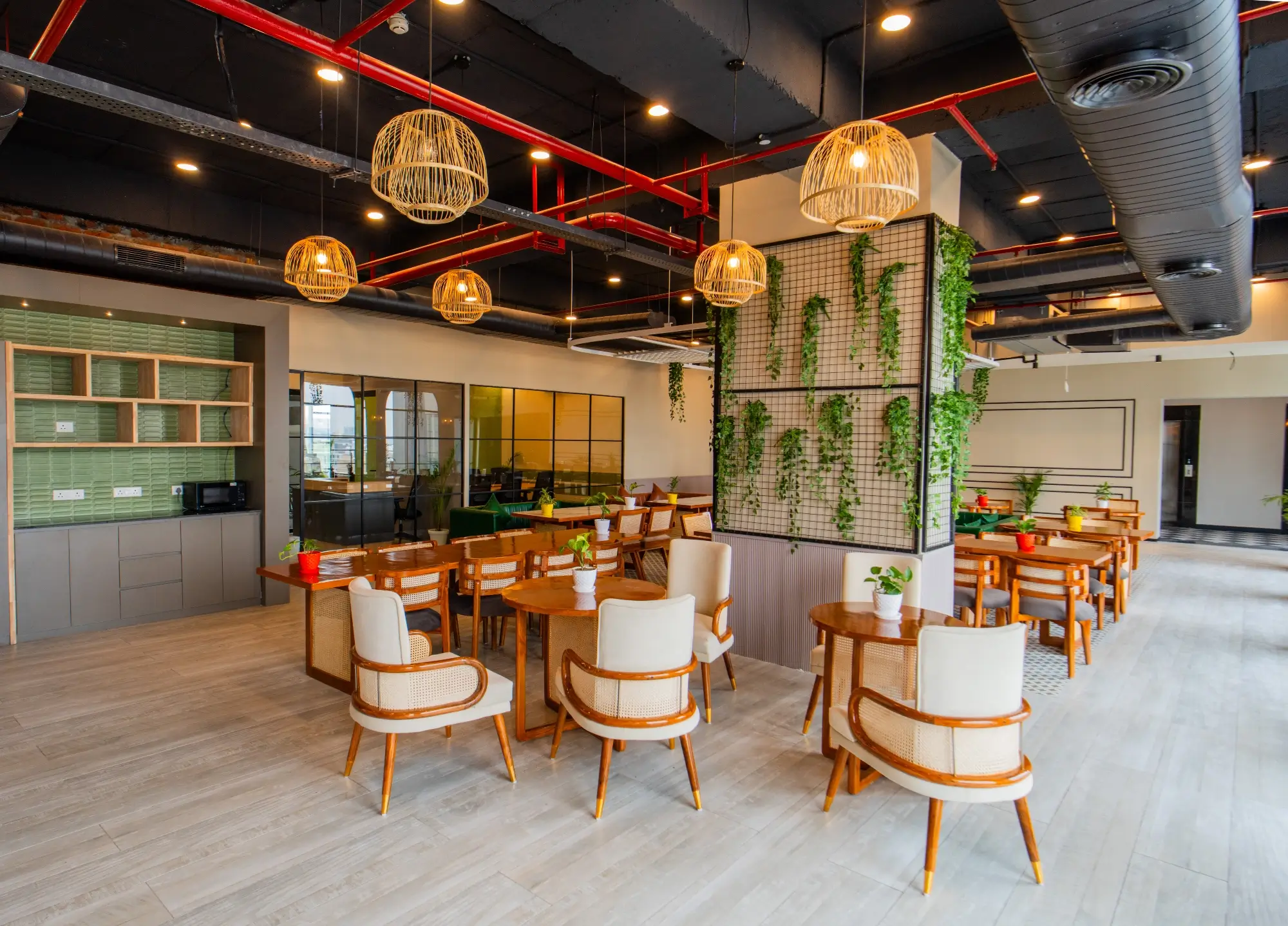
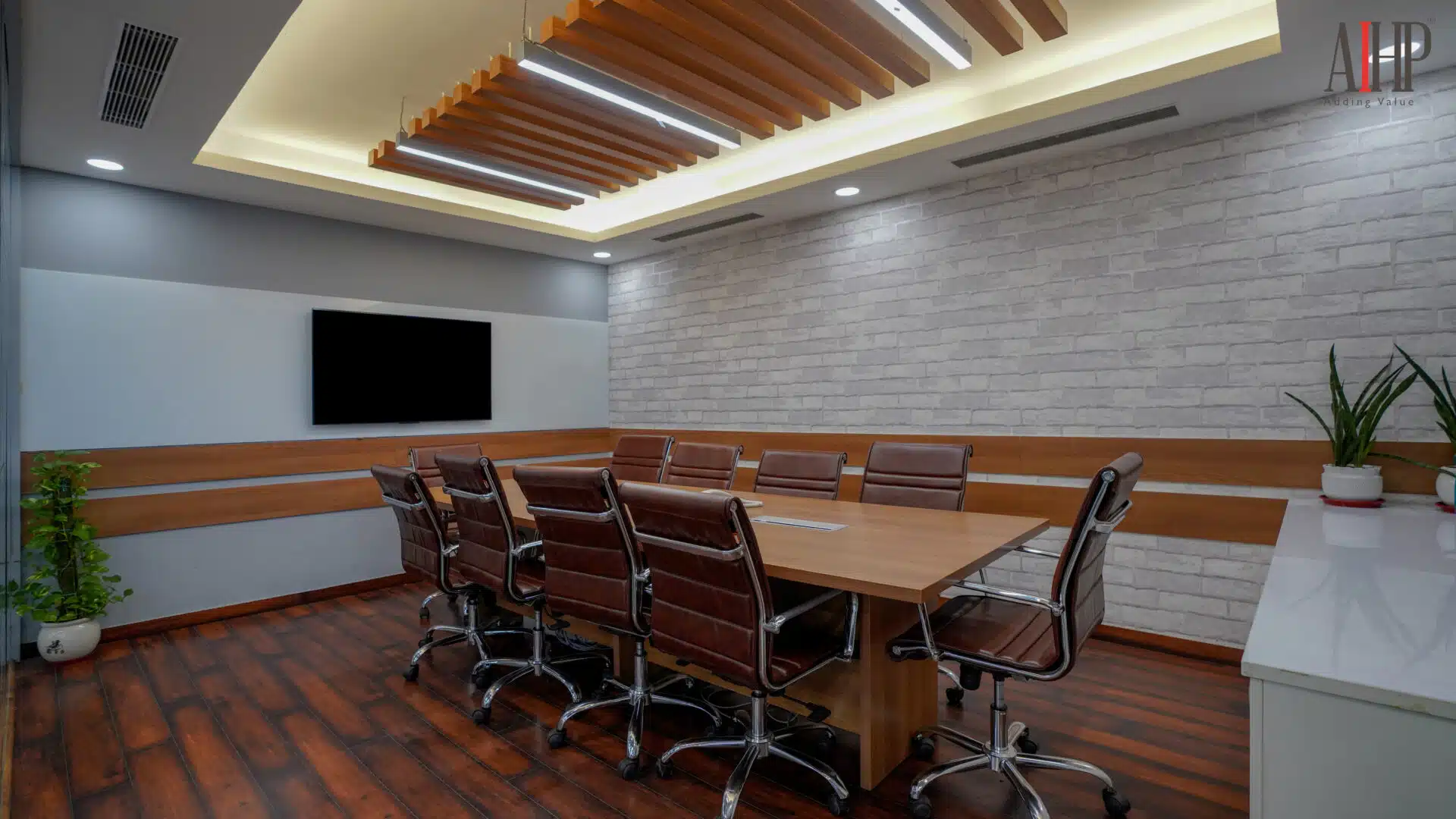
Every few years, Gurgaon gets a catalyst that rewrites how companies choose where to sit. The next big nudge is transit. The Millennium City Centre–Cyber City metro corridor promises to stitch together older employment hubs and newer growth belts, bringing shorter commutes, broader talent reach, and far more predictable client access. If you have a 2025–26 rollout on the cards, this line is not just another infrastructure headline. It changes the math of leasing, the shape of floor plates, and the sequence of your fit-out calendar.
This article explains what the new corridor means for occupiers and landlords, where demand is likely to pool first, how pricing usually behaves around new stations, and the practical steps to capture the upside without overpaying or slipping timelines.
The project in one glance
Plans for the Millennium City Centre–Cyber City corridor have moved from drawing board to execution, and local reporting has tracked the alignment, station list, and a spur that improves access toward Dwarka Expressway. If you want a quick pulse on construction updates and milestone news, Hindustan Times’ Gurugram coverage regularly rounds up corridor progress and the micro-market implications in adjacent business pockets (see: Hindustan Times Gurugram news).
What matters for offices is simple: more nodes become “walkable” for talent, client visits get less weather-dependent, and cross-town meetings stop eating the day. In a city where time is the binding constraint, that is a structural shift.
Why metros move office markets
Every well-executed transit line does three things for offices:
- Expands talent catchment. Tenants can hire from a wider arc without pushing commute times past tolerance.
- Reduces senior-exec friction. The board meeting that used to need a driver, buffer time, and a prayer becomes a short train ride.
- Adds client certainty. Visitors can plan “two meetings in one trip” without guessing traffic.
Those small wins compound into leasing outcomes: buildings within a short walk of a station get shortlisted more often, and teams are willing to pay a modest premium for reliability. City desks like ETRealty’s office section have repeatedly shown how leasing follows infrastructure announcements, then hardens once commissioning dates get credible (browse sector updates here: ETRealty—Office).
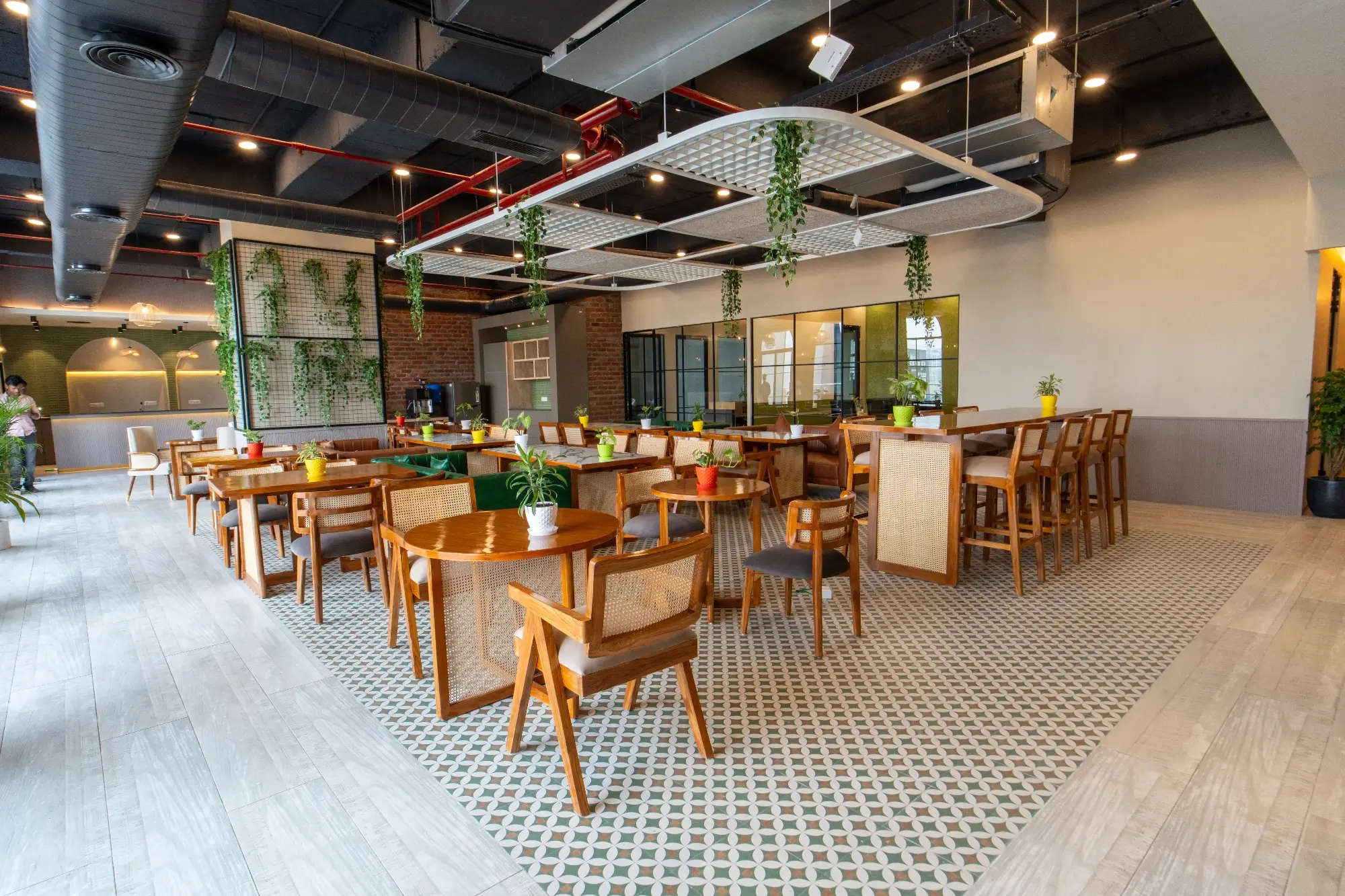
Gurgaon’s micro-market map through a metro lens
Different corridors will feel the impact at different speeds. Here is the likely order of play and why it matters for your plan.
Cyber City: Already the prestige core, the metro consolidates its pull. Expect earlier pre-commits, tighter renewal terms, and selective rent firmness where contiguous floors are scarce. Leadership hubs and client-facing teams will keep prioritising this address.
Udyog Vihar: The big winner on commute friction. The line makes “value + velocity” even more appealing, especially for product, support, and transition teams that want enterprise adjacency without Cyber City pricing. If speed to live is a must, a turnkey path like AIHP’s office space in Udyog Vihar helps you start in 60–90 days and scale in place.
Golf Course Road / GCER: Amenity-rich, polished fronts of house already attract advisory and design-led work. The metro’s cross-city certainty encourages more external meetings, which rewards buildings with smooth arrival experiences and dependable hybrid rooms.
SPR / Dwarka Expressway interface: As the spur improves access, campus-scale options in newer Grade-A stock become credible for cost-disciplined expansion. Early movers will lock expansion rights before headline dashboards show tightening.
For station-by-station colour and the city’s own articulation of phasing, the Cushman & Wakefield India MarketBeat pages often pair project milestones with leasing patterns and walk-shed premiums, a handy cross-check while shortlisting (C&W MarketBeat India).
What changes inside the floor plate
Transit changes who can come in; hybrid work changes how they use the space. Together, they push floor plates toward:
- More small rooms, fewer oversized boardrooms. Two- and four-seater rooms absorb the bulk of collaboration on anchor days.
- Medium rooms that make hybrid effortless. Dual screens and people-framing audio so content and faces share the screen.
- Phone pods and light acoustic treatment. Protects focus near busy teams and keeps the floor usable on peak days.
- Arrival that works at 9:45 a.m. Clear wayfinding, fast access control, reliable lifts; clients should glide from curb to conference.
Because a managed operator owns design-build-tech-ops, these elements show up as standard rather than exceptions—one reason managed routes win during infrastructure transitions when timing matters more than marginal rent wins.
Pricing psychology around stations
Prices do not leap overnight. They re-rate in phases:
- Announcement phase: Buzz lifts tours; landlords test concessions.
- Construction visible: Buildings inside 5–10 minutes’ walk start clearing faster; incentives narrow.
- Pre-commissioning: Adjacency becomes a contract clause; tenants trade a small premium for calendar certainty.
- Operational line: The premium for true walk-shed addresses hardens; secondary pockets with weak last-mile lag.
A useful filter while reading national trendlines is JLL India’s research library, which tracks GLV, vacancy, and absorption across metros—context you can lay over local station maps when you model rent and availability (JLL India Research).
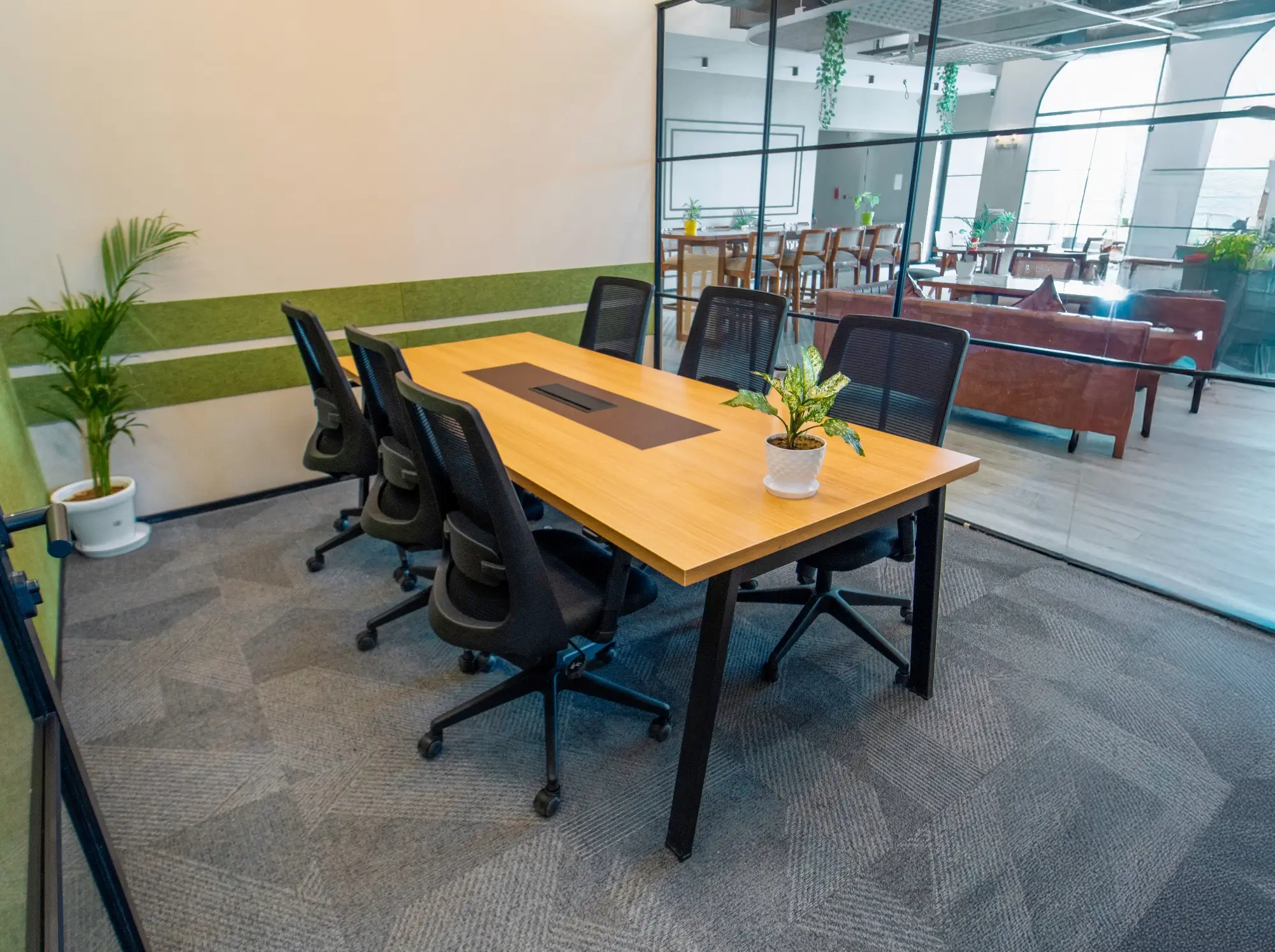
Timelines, risk and what to watch
Execution takes time. Use these markers to keep your plan honest:
- Civil progress and station readiness: Are concourses, footpaths, and lighting actually usable near your shortlists?
- Feeder connectivity: E-rickshaws and shuttle loops determine whether a “10-minute walk” is really ten minutes.
- Public-realm basics: Drainage, lighting, signage—small things that decide if clients remember the visit for the right reasons.
- Landlord behaviour: When you see lobby/arrival upgrades pulled forward, the building is likely close to fully committed.
If your go-live is within a quarter, design your contingencies around what you can start now, not what might free up “next quarter.” In tight windows, floors ready for 60–90-day starts will clear faster than cheaper shells that need months of work.
A metro-aware leasing playbook (that actually fits a calendar)
1) Tour two sub-markets at peak hour. Judge commute time, not distance. Walk the last 300 metres; that is where days are lost or won.
2) Secure expansion rights in-building. Lighthouse leases shrink effective vacancy before dashboards show it. A first-right or defined option protects continuity.
3) Pick your delivery path early. Turnkey managed vs multi-vendor build. In busy quarters, a single accountable partner reduces drift and protects handover dates. If you want one calendar and one invoice, start the conversation on AIHP’s managed offices in Gurgaon and benchmark it against your best traditional plan.
4) Pilot one hybrid room first. Two weeks of real meetings will surface 80% of frictions; fix audio first, then scale the spec.
5) Hold a 10–15% flex buffer. Swing seats for project spikes beat over-leasing on day one.
6) Write SLAs into the term sheet. Uptime, room commissioning, and handover milestones—with remedies if dates slip.
Who benefits first—and how landlords will react
Expect prime stacks closest to stations to tighten first, followed by walk-shed buildings with credible last-mile. Landlords will:
- Trim incentives before raising quotes. Effective rent firms first.
- Advance fit-out readiness. More vanilla shells become plug-and-play to catch metro-driven demand.
- Invest in arrival. Clearer signage, better lighting, and lobby upgrades that make peak hour feel calm.
Occupiers who move early will capture optionality—expansion rights, better vertical adjacency, and handover dates that match hiring sprints.
How this dovetails with 2025 office themes
The metro’s impact amplifies trends already visible in Gurgaon. If you want a concise primer that connects PropTech, green design, mixed-use ecosystems, the flex surge, and SCO evolution to near-term leasing outcomes, this explainer on Top 5 Trends Shaping Gurgaon’s Office Market in 2025 sets a helpful baseline before you walk sites.
Conclusion
Gurgaon has never lacked ambition; it needed frictionless movement to match it. The upcoming metro corridor reduces commute guesswork, strengthens client access, and makes cross-town collaboration realistic. For offices, that means station-adjacent addresses will win more shortlists, managed paths will outpace bespoke builds on timelines, and “good arrival” will quietly separate the great from the merely new.
If you are ready to translate intent into a start date, we can map seats to milestones and vendors week by week—so you open on time and scale in place. Book a consultation for a future-ready workspace via the AIHP contact page and align your plan with the metro’s rollout.