 Workspace
27 Jan 2025 · Udit Chauhan · 8 min read

Workspace
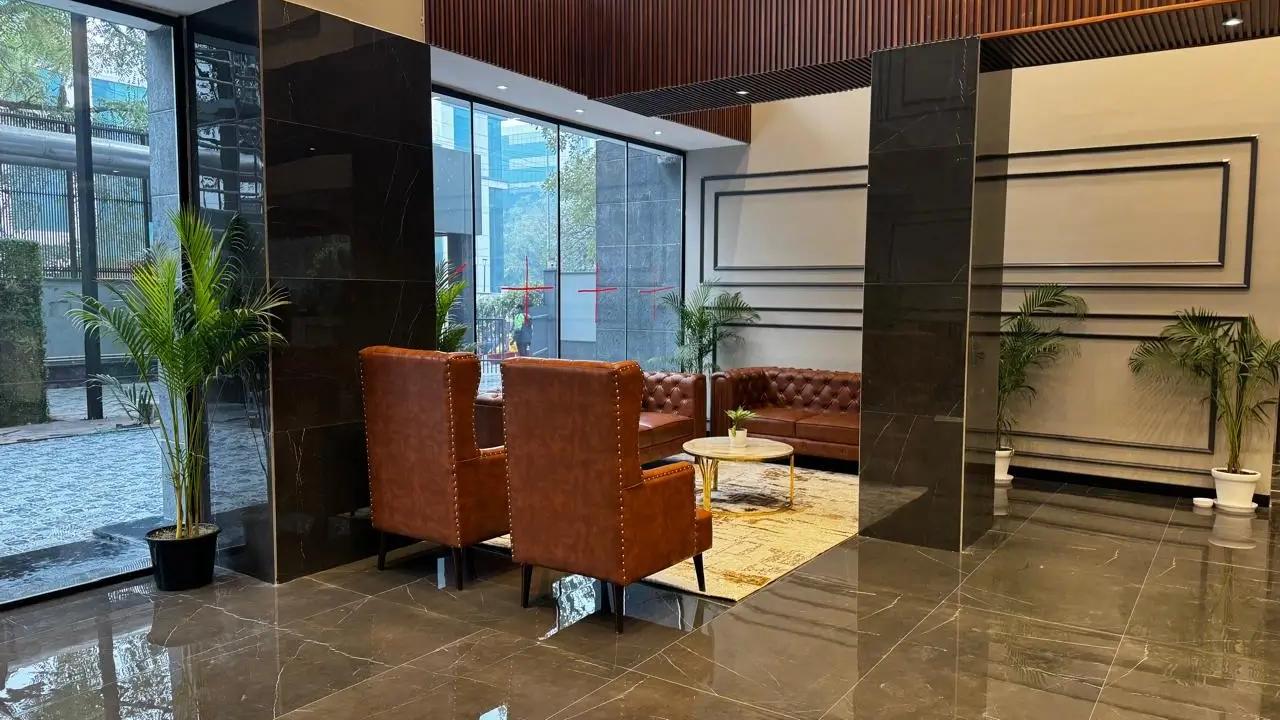
Reduce Employee Burnout Through Workspace Redesign—this phrase has become a key focus for companies looking to safeguard their employees’ mental and physical health. In today’s fast-paced work environment, chronic stress, long hours, and limited breaks can lead to high attrition rates and plummeting morale.
A well-thought-out office layout can make a powerful difference, mitigating daily pressures through ergonomic furniture, strategic lighting, and even uplifting decor. Whether you manage a sprawling corporate campus or a modest startup suite, re-imagining your space is one of the most direct ways to cultivate happier, more engaged teams. Here, we present seven proven methods to Reduce Employee Burnout Through Workspace Redesign, each rooted in industry research and practical examples from thriving workplaces worldwide.

Workplace design often remains an afterthought, even though its influence on employee well-being is immense. When desks are cramped or lighting is harsh, employees can experience heightened stress that accelerates burnout. Conversely, inviting, adaptable layouts enable staff to toggle between focused work and rejuvenating social interactions.
By understanding how to Reduce Employee Burnout Through Workspace Redesign, leaders can proactively shape an office culture of health and resilience. This entails everything from mindful noise management to facilitating smoother team collaboration. It’s also where properties designed for productivity shine—for example, buildings like AIHP Millennium in Udyog Vihar, Gurgaon, which offers office space near NH8 to help businesses incorporate energy-saving features and ergonomic stations.
Below are seven practical yet impactful approaches to Reduce Employee Burnout Through Workspace Redesign. Each solution focuses on a unique aspect of office life, from biophilic elements that reduce stress to structured breakout spaces that foster camaraderie. When combined, they create a holistic environment where both physical and psychological needs are addressed. If you’re scouting prime commercial properties that can be tailored to these recommendations, consider Office Space in Gurgaon—known for modern layouts that encourage wellness and collaboration.
Physical strain remains a top contributor to mental fatigue. To Reduce Employee Burnout Through Workspace Redesign:
According to Workplace Ergonomics Guidelines, ensuring proper alignment of screens and desks can significantly curb musculoskeletal complaints. Employees who aren’t distracted by recurring aches and pains focus better and maintain a more positive outlook on daily tasks.
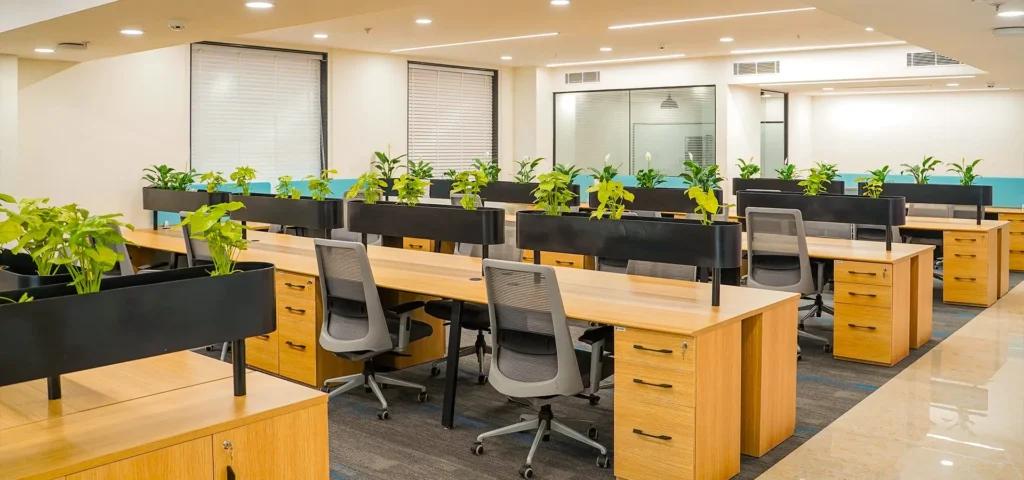
Biophilic design leverages a natural aesthetic, introducing features that mimic the outdoors:
Such touches can Reduce Employee Burnout Through Workspace Redesign by lowering cortisol levels and uplifting the overall mood. People respond subconsciously to greenery, which is why many forward-looking offices adopt green walls or rooftop gardens for employees to decompress.
Modern, open-floor layouts often lack privacy, making focused work a challenge. Quiet zones solve this dilemma by offering secluded corners or soundproof booths, ideal for tasks that require deep concentration. Meanwhile, breakout spaces encourage quick brainstorming, informal chats, or personal downtime. This duality ensures employees can:
Flexibility helps counteract monotony—a key driver of burnout—while showing employees their comfort and productivity are a priority.
Dim or harshly lit offices can alleviate stress levels and worsen fatigue. Optimize lighting to Reduce Employee Burnout Through Workspace Redesign:
Subtle color contrasts can also keep creativity flowing without overwhelming the senses. This is especially relevant for offices with fewer windows or less direct sunlight, where innovative lighting setups become a practical necessity.
Offering employees control over their immediate environment fosters a stronger sense of ownership. Even small gestures can Reduce Employee Burnout Through Workspace Redesign:
An employee who feels empowered to adapt their workspace is more likely to stay motivated, contributing to a collective culture of respect and partnership.
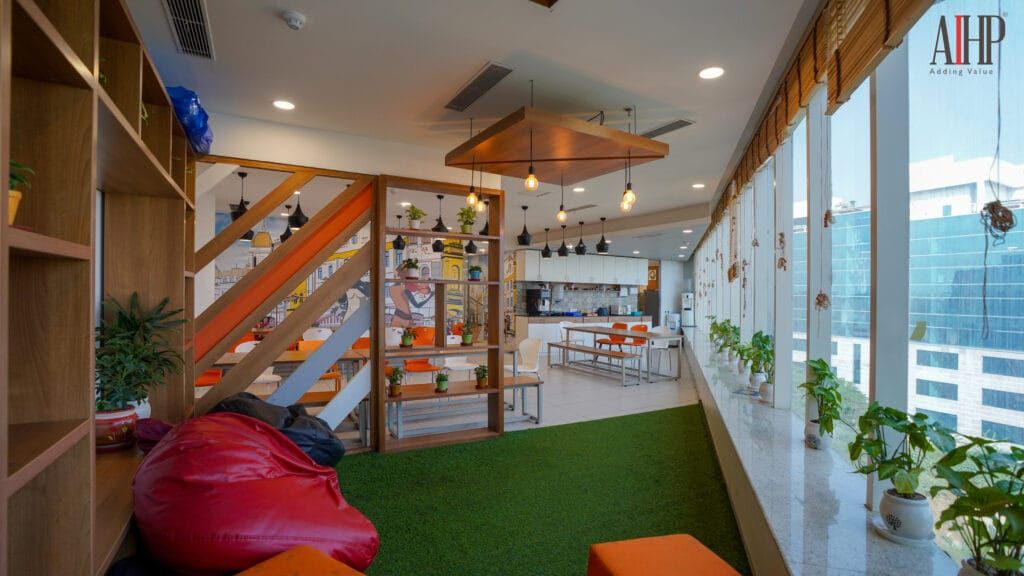
Monotony is a creeping force behind burnout; flexible seating helps ward it off. Hot-desking, for instance, encourages staff to shift between various setups—desks, lounges, or high-top tables. Collaboration hubs similarly invite cross-team dialogue outside formal meeting rooms. Key elements include:
Variety within the workday revitalizes employees, offering fresh perspectives and interpersonal connections that break the routine.
From comfortable break rooms to on-site fitness zones, social and wellness amenities can profoundly Reduce Employee Burnout Through Workspace Redesign. Many offices now integrate:
According to Occupational Well-being Resources, employees with consistent access to wellness options tend to have better mental health profiles. When the culture normalizes self-care, individuals feel more valued and less inclined to push themselves into unhealthy burnout cycles.
While small tweaks (like plants or better lighting) can yield immediate psychological relief, long-term benefits typically emerge over a few weeks to months as employees adapt.
Not necessarily. Start with cost-effective measures—rearranging furniture, introducing potted plants, upgrading bulbs—before investing in major renovations.
Soft blues and greens typically have a calming effect, while pops of subdued yellow or orange can spark creativity without overwhelming the senses.
They serve different needs. Teamwork flourishes in open, shared areas, but private rooms are vital for deep focus or confidential tasks.
Track employee feedback, observe any shift in turnover rates, and evaluate productivity metrics or absenteeism trends to gauge impact.
Absolutely. Hybrid or flexible work setups still require well-structured communal spaces, particularly for days when employees come onsite or work in shared areas.
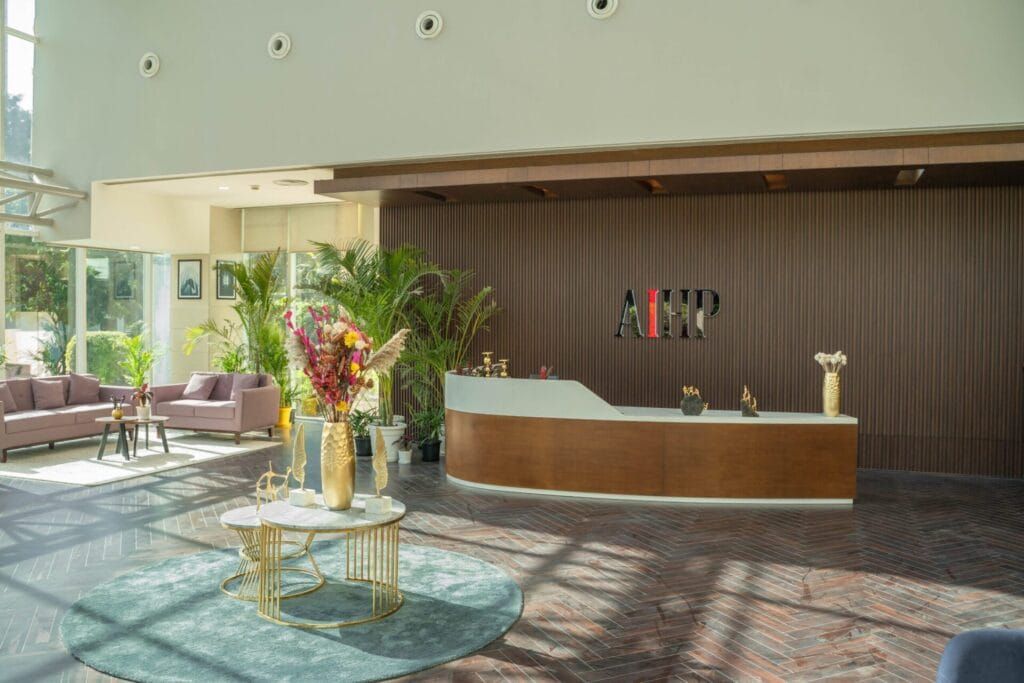
Although revamping an office to Reduce Employee Burnout Through Workspace Redesign might feel daunting, the rewards are substantial. Start modestly—adding plants, rearranging furniture, or installing better lighting—before moving on to larger-scale renovations. Tracking changes in employee feedback, absenteeism, and job satisfaction helps measure effectiveness.
Moreover, you’ll build goodwill by consulting teams on proposed layout tweaks, ensuring that each upgrade resonates with genuine needs. By prioritizing well-being in design choices, businesses can create an uplifting environment where staff feel appreciated and motivated. This investment pays off long-term, boosting morale, loyalty, and overall productivity—clear indicators of a workplace geared toward growth and harmony, rather than stress and fatigue.
Workspace27 Jan 2025 · Udit Chauhan · 8 min read
 Workspace
23 Jan 2025 · Udit Chauhan · 6 min read
 Workspace
21 Jan 2025 · Udit Chauhan · 7 min read
Ready to move your team?
Fully-managed private offices across Gurgaon's prime corridors — move-in ready, fully serviced, sized for your team.