 Workspace
1 Sept 2025 · Udit Chauhan · 7 min read

Workspace
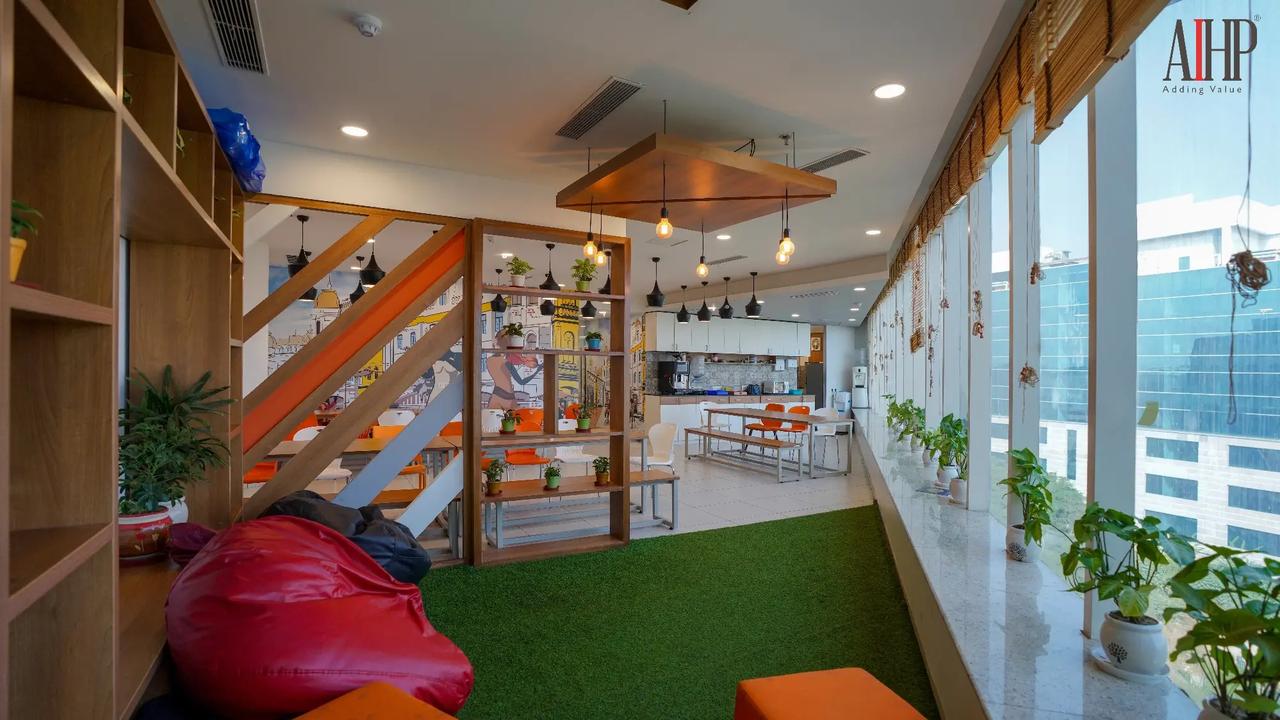
If there is one place where design and performance meet every single day, it is the office. Layouts, acoustics, camera angles, even the way desks sit near sunlight—these small choices add up to big shifts in how people feel and how fast teams move. Below are eight data points that cut through the noise and show what really improves engagement and outcomes in 2025. I’ve kept the takeaways practical so you can apply them on your next floor refresh or move.
Planning a new floor or a city launch? See how AIHP bundles design, build, tech and operations into one monthly model on the AIHP managed offices site, and browse recent playbooks on the AIHP blog for room layouts that actually work.
Gallup’s latest global read shows only 21% of employees are engaged, with managers seeing the sharpest drop. That is a signal to fix the day-to-day friction that design can actually control—noise, camera views, room availability, movement between focus and collaboration.
What it means: design is not a “nice to have.” In tight talent markets, every percentage point of engagement matters.
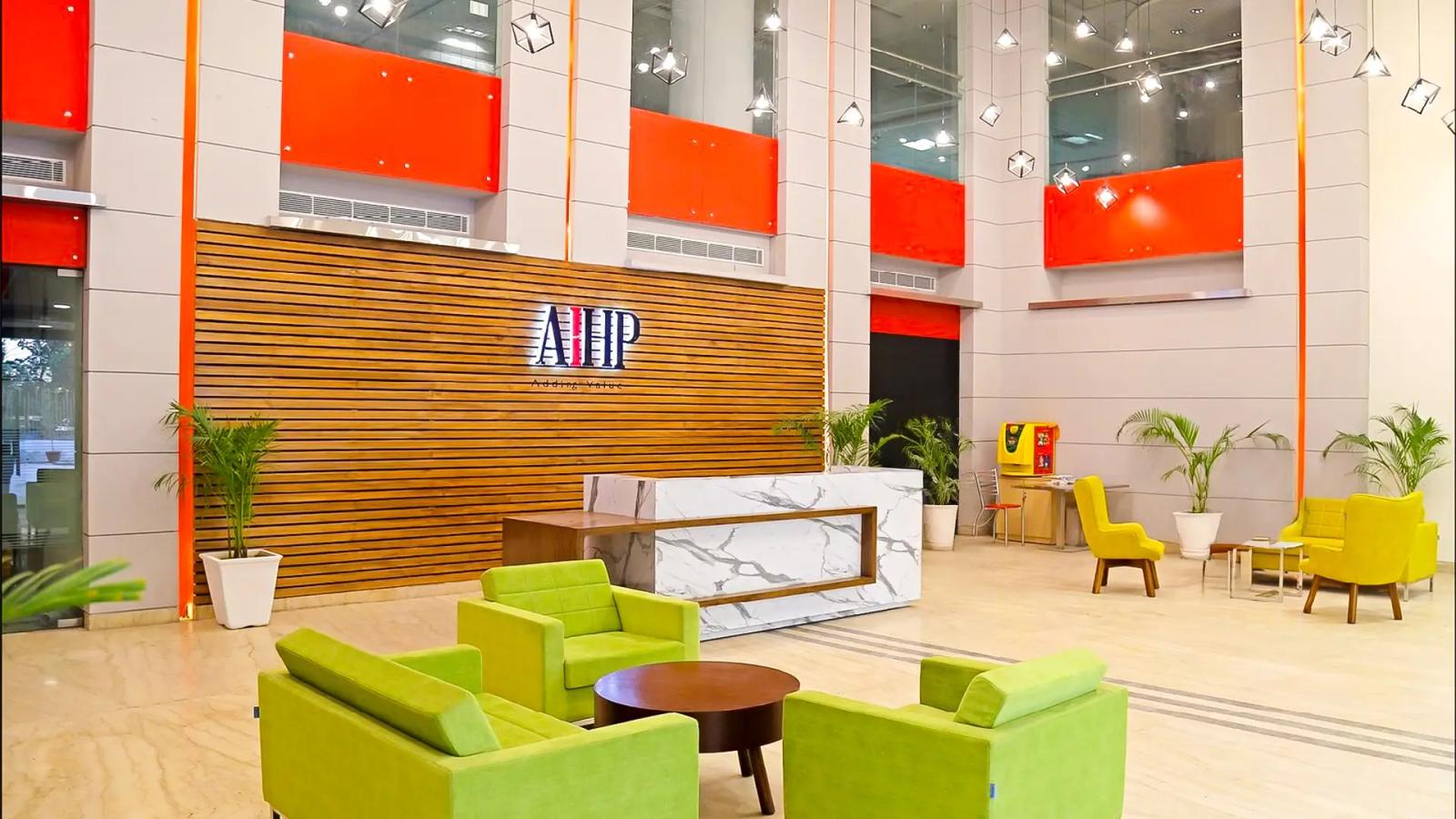
Gallup estimates low engagement drains US$8.9 trillion, or 9% of global GDP. If your fit-out can lift engagement even modestly, the ROI is hard to ignore.
What it means: treat audio, lighting and wayfinding like core infrastructure. They are not décor—they are productivity levers.
Gensler’s 2024 Global Workplace Survey reports that in high-performing offices, 94% of employees can choose among multiple settings inside the same floorplate. Choice correlates with autonomy and stronger engagement. (Read the study overview onGensler’s sitefor the full framework.)
What it means: plan a mix—quiet focus zones, small two-to-four seater rooms, casual collision spots, and proper studios for hybrid meetings.
Gensler’s analysis also shows 97% of the most engaged employees say they are likely to stay next year, versus 53% of the least engaged. Retention is a design outcome as much as a policy one.
What it means: if you are bleeding talent, look beyond compensation. Start with rooms and tools that help people do great work.
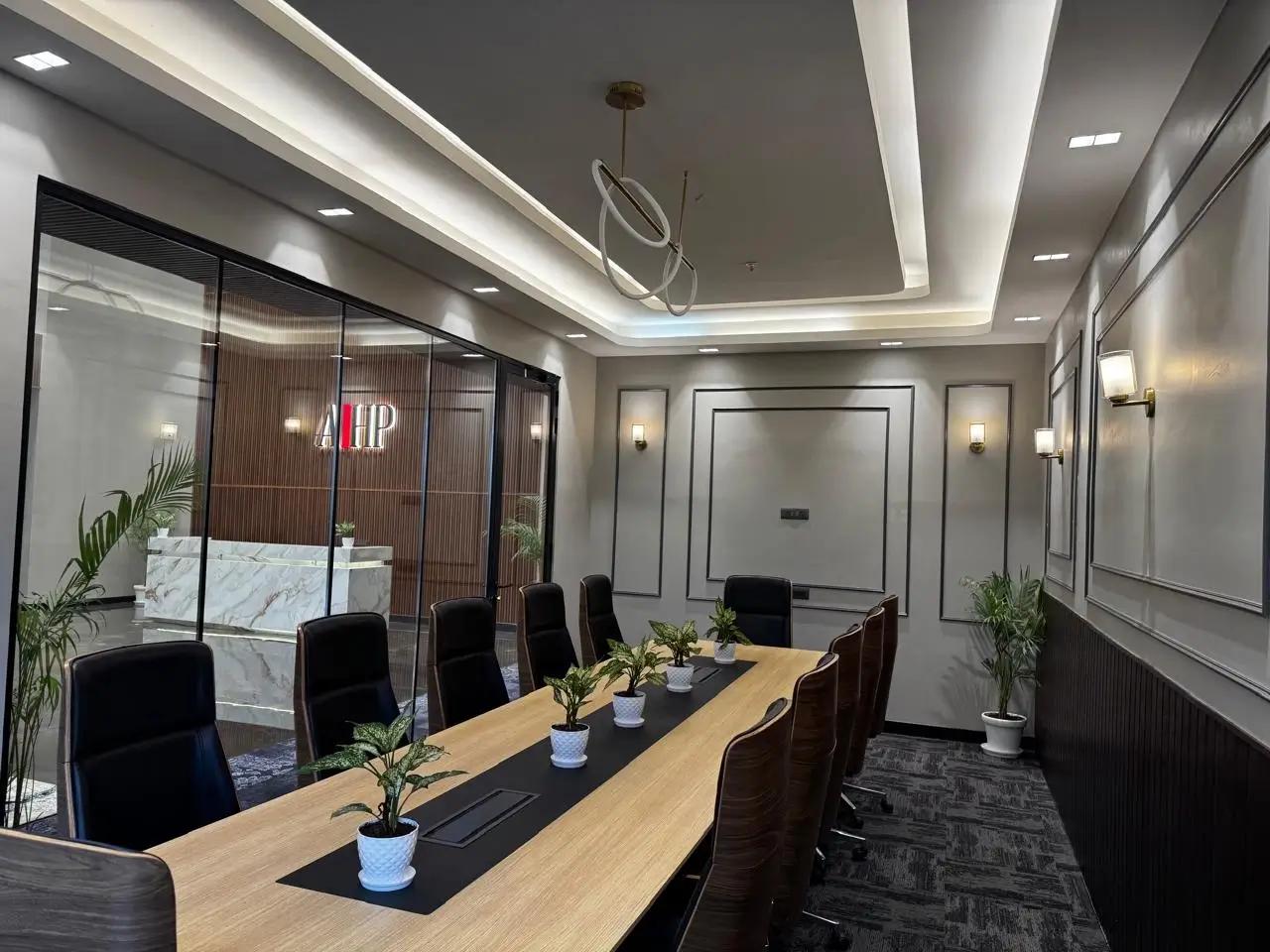
The Leesman Index puts average office experience (Lmi) at 69.5 in 2024, while home scores sit at 79.5—a 10-point gap. Bridging that gap is the design brief for this decade. (Leesman’s explainer on “The workplace why” has the context.)
What it means: if the office does not beat home for focus, meetings and kit, people will ration in-office days.
Across two years of measurement, 86% of employees told Leesman they now work in more than one place. Space has to flex—physically and digitally—so people can slide between modes without friction.
What it means: invest in BYOM or native interop, bookable focus rooms, and consistent peripherals so every call “just works.”
Leesman’s benchmarking shows noise satisfaction in elite (“Leesman+”) offices can be double that of poor performers (around 45% vs 22%), and the share saying “my workplace enables me to be productive” jumps from the low 50s to 80% in top-tier spaces. Make a Difference
What it means: start with sound—ceiling baffles, wall panels, and mic arrays beat bigger TVs every time.
Gensler’s prior cycle found workers think they need about 63% of their week in the office to do their best work, yet they only spend 48% there today. Why the gap? The experience often does not match the job. Fix the mix, and people show up.
What it means: build the room mix around real tasks—focus, client prep, whiteboarding, hybrid workshops—not generic “seats.”
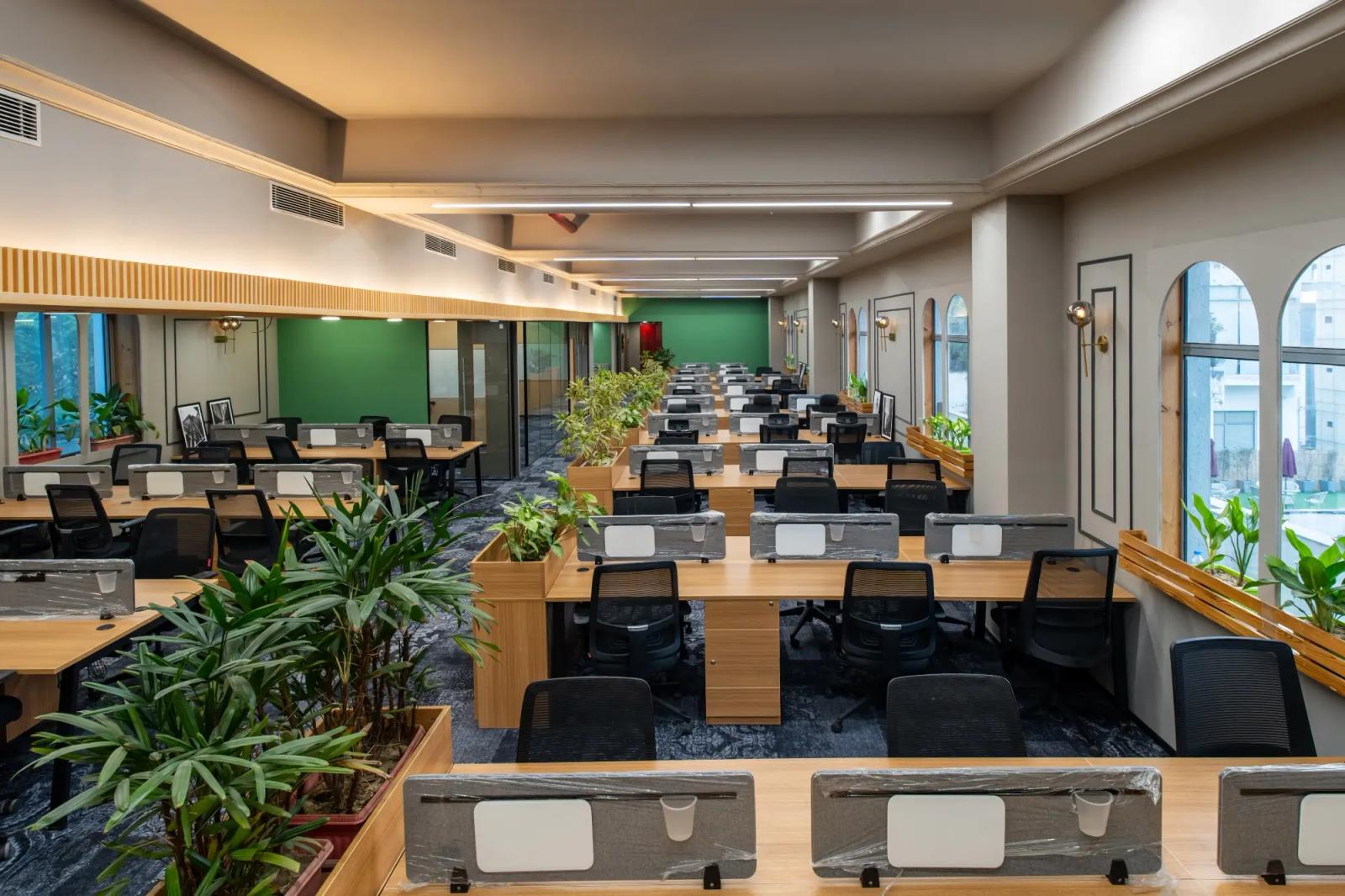
If speed matters, ask for a 60–90 day calendar from your provider and one monthly invoice.
For a single-partner route, ping the team on the AIHP contact page to map design, build and tech in one go.
Workspace1 Sept 2025 · Udit Chauhan · 7 min read
 Workspace
28 Aug 2025 · Udit Chauhan · 4 min read
 Workspace
21 Aug 2025 · Udit Chauhan · 3 min read
Ready to move your team?
Fully-managed private offices across Gurgaon's prime corridors — move-in ready, fully serviced, sized for your team.