 Workspace
5 Sept 2023 · Roshan Gond · 6 min read

Workspace
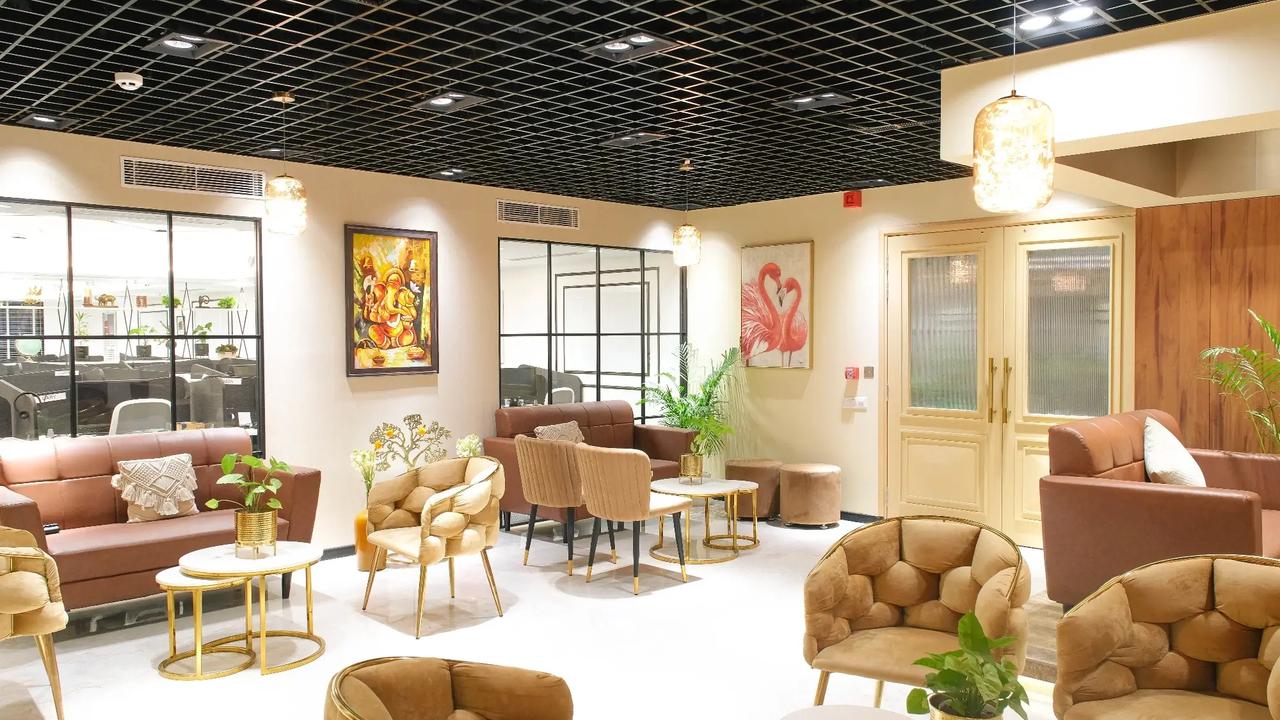
This guide covers the design choices that most affect how well people work in an office: natural light, ergonomic furniture, flexible layouts, plants and other biophilic touches, branding, acoustics, technology and wellness. It is written for founders, HR heads and facilities teams planning a new office or reworking the one they have.
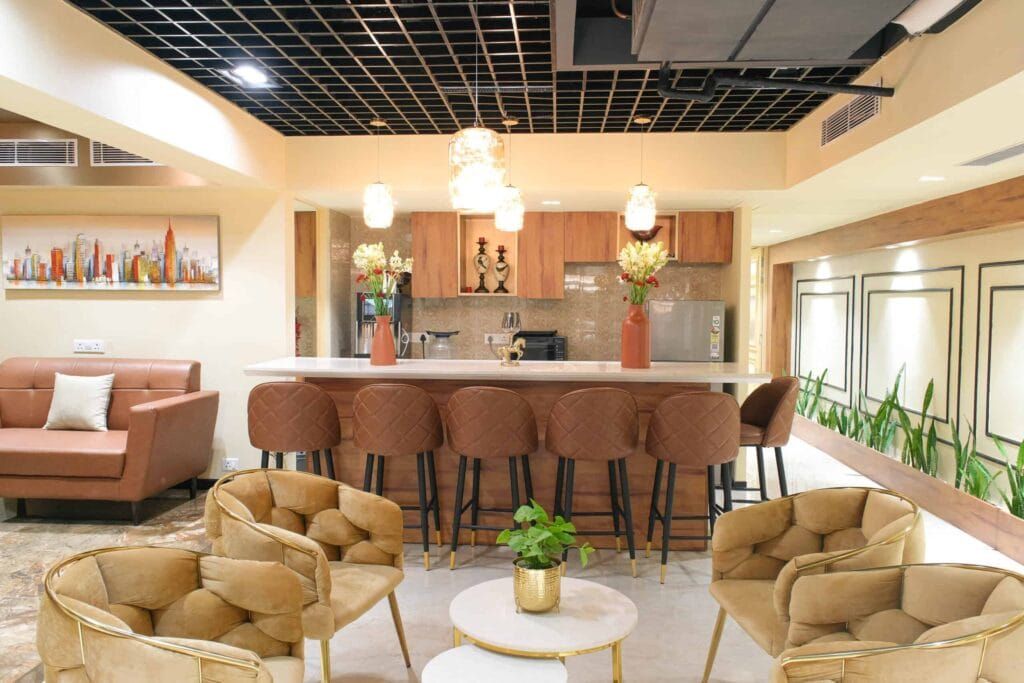
Each tip is short and practical. The last section lists common design mistakes, so read it before you sign off a layout, not after.
A well-designed office is more than just an attractive space; it's a strategic asset that can boost efficiency, improve morale, and even enhance your brand image. By focusing on key design elements, you can create a workspace that meets the needs of your employees and aligns with your business objectives.
Effective office design considers factors such as:
According to the World Green Building Council, well-designed offices can significantly improve health, well-being, and productivity. By incorporating thoughtful design principles, you can create a workspace that not only looks good but also feels good to work in.
Implementing the following office space design tips will help you craft an environment that supports your team's success.

Natural light has a profound effect on mood, energy levels, and overall health. It can reduce eye strain, improve sleep patterns, and increase productivity.
Consider positioning workstations near windows and using glass partitions to allow light to flow throughout the office. Light-colored walls and reflective surfaces can also enhance the brightness of your space. For example, at AIHP Palms in Gurgaon, the design emphasizes natural lighting to create a refreshing atmosphere that keeps employees energized.
Comfort is key to maintaining focus and preventing workplace injuries. Ergonomic chairs, adjustable desks, and properly positioned monitors can make a significant difference in employee well-being.
Investing in quality furniture that supports natural posture reduces strain on the body. This approach is evident in the design of AIHP Horizon where ergonomic considerations are central to the workspace layout.
Creating spaces that can adapt to various tasks and team sizes enhances collaboration and efficiency. Flexible work areas allow employees to choose the environment that best suits their needs, whether it's a quiet corner for focused work or an open area for team brainstorming.
Using modular furniture and movable partitions enables you to reconfigure spaces as needed. AIHP Signature exemplifies this with its customizable office layouts that cater to different business requirements.
Integrating natural elements into your office can improve air quality, reduce stress, and boost creativity. Adding indoor plants, natural materials like wood and stone, and even water features can make the workspace more inviting.

Biophilic design is not just a trend; it's a proven approach to enhancing the work environment. For insights on implementing this, refer to Terrapin Bright Green's 14 Patterns of Biophilic Design.
Your office should embody your brand's identity and values. Incorporating your logo, brand colors, and mission statements into the design reinforces company culture and can instill pride among employees.
At AIHP Millennium, businesses benefit from a workspace that not only meets functional needs but also allows for personalized branding, creating a cohesive corporate image.
Noise can be a significant distraction, affecting concentration and productivity. Implementing sound-absorbing materials like carpets, acoustic panels, and curtains can mitigate unwanted noise.
Designating quiet zones and using furniture arrangements to buffer sound are practical solutions. This consideration is part of the design philosophy at AIHP Skyline, where acoustic comfort is prioritized.
A modern office must accommodate the technological needs of its users. Providing ample power outlets, high-speed internet connectivity, and interactive conference equipment supports efficiency and collaboration.
Planning for future technological advancements ensures your office remains up-to-date. For example, AIHP Milestone offers state-of-the-art infrastructure to meet evolving tech requirements.
Supporting the well-being of your employees leads to increased satisfaction and reduced absenteeism. Incorporating wellness rooms, access to fitness facilities, and healthy snack options promotes a healthy work-life balance.
Design elements that encourage movement, such as open stairways and standing desks, contribute to a more active workplace. Emphasizing wellness is a key aspect of the office spaces at AIHP.
While implementing these office space design tips, be mindful of common pitfalls that can hinder your efforts.
Trying to fit too many people or furniture into a space can lead to discomfort and decreased productivity. Ensure there's enough room for movement and that the layout doesn't feel cramped.
Poor lighting can cause eye strain and fatigue. Avoid relying solely on artificial light or creating areas that are too dim or overly bright.
Failing to address noise levels can result in a distracting environment. Consider the impact of open layouts on sound and take steps to manage acoustics effectively.
An overly complex design can be confusing and impractical. Strive for simplicity and functionality, ensuring that aesthetics don't compromise usability.
Good office design comes down to a few decisions made early: where desks sit relative to the windows, what people sit on, how sound travels and where the quiet rooms go. Get those right and the rest is easier to adjust later.
Test each change against how your team actually works, and ask them a few months in what still gets in the way. If you are planning a new office in Gurgaon and would rather not run the fit-out yourself, AIHP's design team delivers managed private offices from 20 seats, typically about 60 days from design sign-off to move-in.

References:
Workspace5 Sept 2023 · Roshan Gond · 6 min read
 Workspace
5 Jul 2023 · Roshan Gond · 6 min read
Workspace17 May 2023 · Roshan Gond · 6 min read
Ready to move your team?
Managed private offices across Gurgaon, fully serviced and sized for your team.