 Workspace
4 Aug 2025 · Udit Chauhan · 4 min read

Workspace
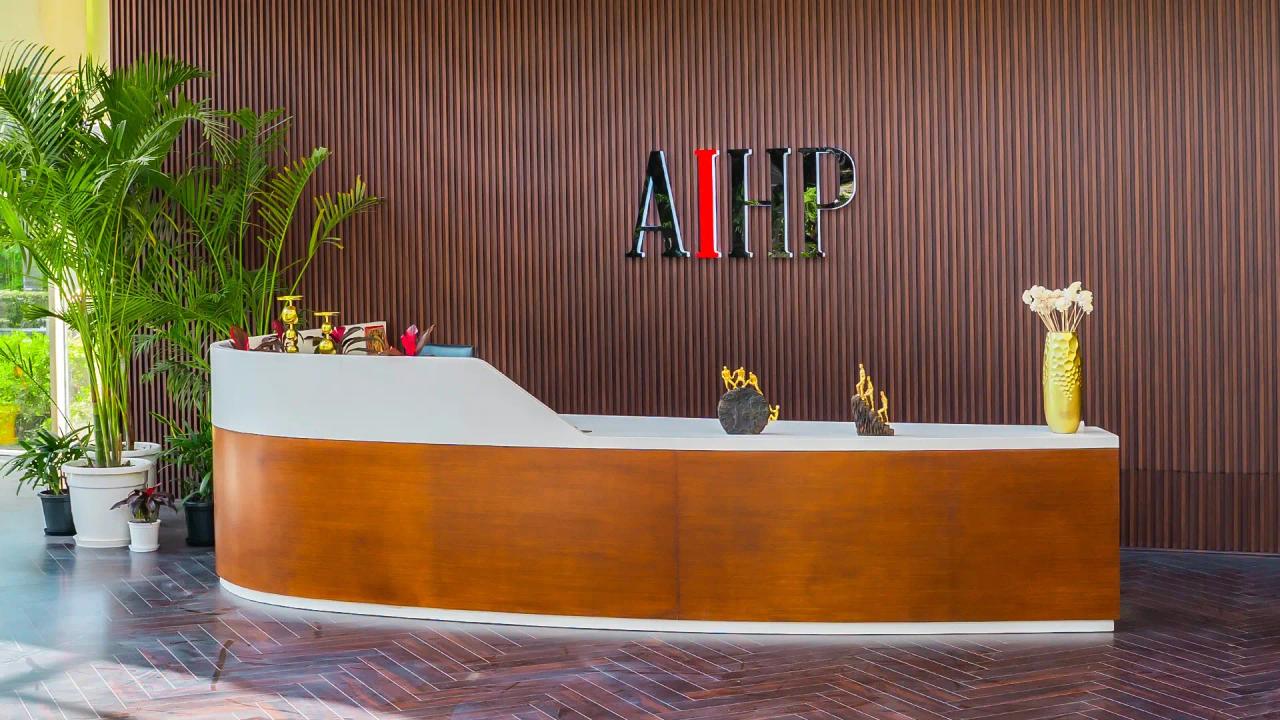
If people won’t come back, it’s not a memo problem—it’s a workplace problem. The most reliable way to raise in-office attendance is to make the office the best place for the work that matters: focus, mentoring, complex collaboration, and culture. Research across 2024–2025 shows hybrid is now the dominant pattern; the companies winning RTO aren’t policing badges, they’re rebuilding the experience. (Source: Gallup)
Multiple global surveys land on the same point: most remote-capable employees want hybrid, and many employers (especially in India) already require several days on-site. Gallup finds hybrid is the dominant arrangement, with on-site-only a minority for remote-capable roles. JLL’s India insights report that most firms ask for at least three in-office days. Translation: the debate is over—design for hybrid. (Source: JLL)
Why do people resist? A top reason is the time tax of commuting. WFH Research (Stanford, Chicago Booth et al.) shows the shift to flexible work saved workers roughly 60–70 minutes per day on commute and prep; globally, “no commute” ranks as the #1 benefit of remote work. If your office isn’t clearly better than that time saving, attendance will lag.
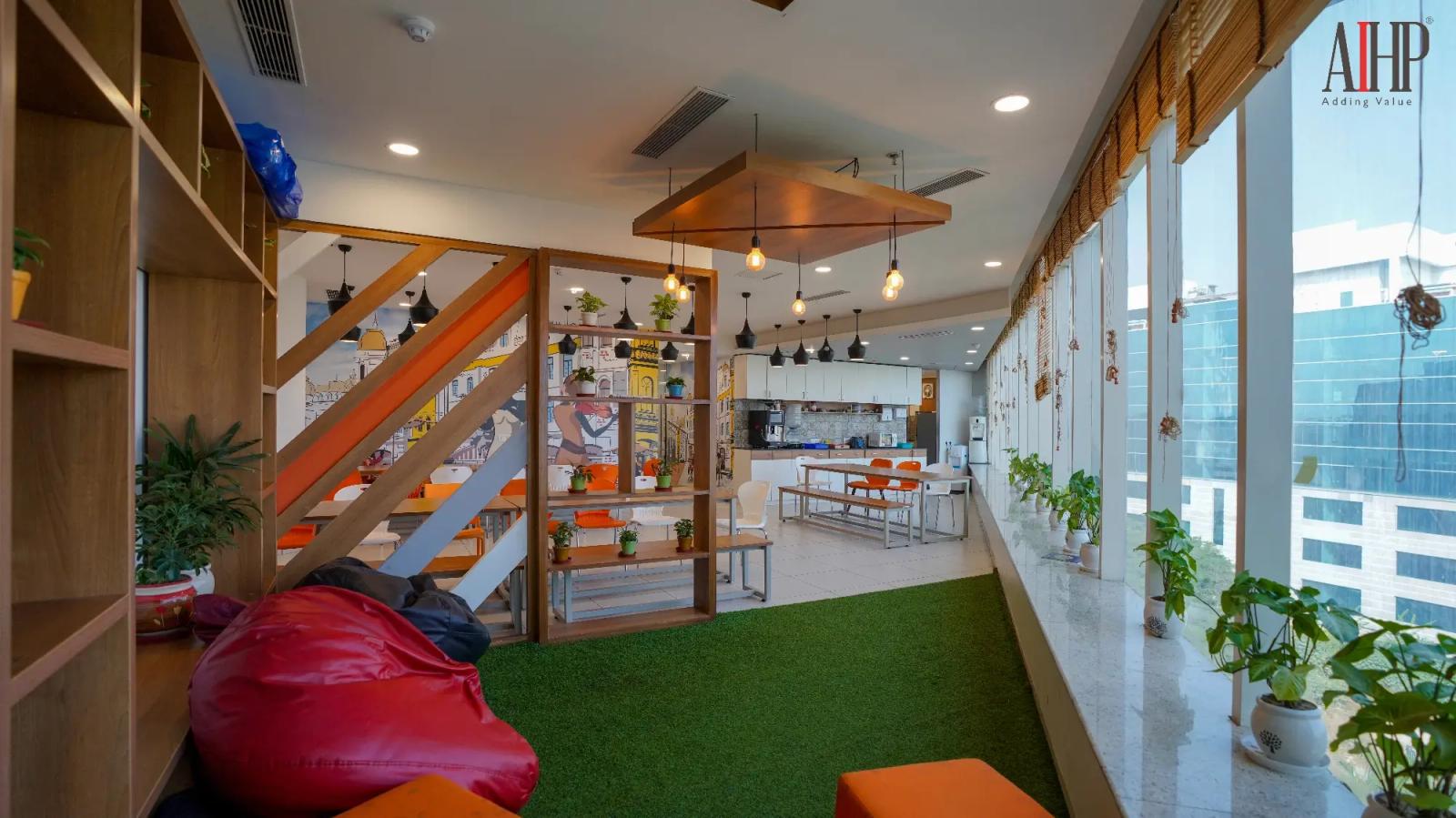
Employees say they’ll come in if they can actually focus. Gensler’s global research and Steelcase’s 2024 studies both highlight privacy and access to the right spaces as the biggest gaps: people want open areas for teaming and enclosed spaces for heads-down tasks—often in the same hour. Build a mix of quiet rooms, phone pods, libraries and small “do-not-disturb” nooks right on the floor. (Source: Gensler)
Most office meetings now include at least one remote participant. Cisco’s workplace studies note that the vast majority of in-office meetings have a virtual attendee, so spaces must be built around acoustic treatment, front-row video walls, ceiling mics, AI camera framing, and reliable dual-ISP connectivity. Equip rooms for meeting equity (equal visibility and audio) and you remove the most common complaint about coming in. (Source: Cisco)
Harvard’s COGfx research shows that when ventilation is improved and CO₂ stays low, cognitive scores jump—with measurable gains across all decision-making domains. Indoor PM2.5 and high CO₂ correlate with slower responses and lower accuracy; workers feel that difference and vote with their feet. Instrument IAQ (CO₂, PM2.5, VOCs) and publish real-time dashboards; employees will notice—and appreciate—cleaner air and better lighting.
People commute for planned collaboration, mentorship, and social energy—not to sit in a video call all day. Create project studios, scrum rooms, maker tables, and café-style social hubs adjacent to focus zones so teams can slide between modes. Gensler’s 2024 workplace research stresses experience-rich variety beats one-size-fits-all layouts.
Ditch fixed seats in favor of team neighborhoods with bookable options: quiet desks, collaboration benches, touchdown bars. Leesman’s ongoing studies show office use depends on commute ease and how well the space supports tasks—so give people control (booking, wayfinding, comfort settings) and watch attendance rise.
The fastest attendance lift often comes from shortening the last mile. In Gurgaon, that means Rapid-Metro adjacency and NH-8 access. If your team can step off a train and badge in, you’ve already solved the biggest barrier. Explore metro-linked floors at AIHP’s Gurgaon portfolio to combine commute ease with a 60-day delivery promise:
Add the real kicker: zero-CapEx. Instead of sinking crores into fit-outs, use an all-inclusive licence that bundles interiors, utilities, and FM—so you can invest in people and product, not drywall.
1) Listen and baseline. Run a fast pulse survey to map work modes (focus, in-person collab, virtual collab, learning, social). Employee-experience surveys and real-estate/occupancy data are the top tools companies rely on to steer workplace changes.
2) Prototype on the floor. Stand up a pilot neighborhood: a handful of focus rooms, a hybrid-meeting suite, a project studio, and a social hub. Measure utilization and sentiment for two weeks.
3) Launch the full kit in 60 days. AIHP’s delivery model compresses fit-out, IT, and compliance into a parallel sprint so your improved workplace is open inside two months—not a year.
4) Instrument the experience. Use occupancy and IAQ sensors (CO₂/PM2.5) with a simple “green-zone” dashboard on each floor. Cisco’s own campuses collect thousands of data points per second to keep spaces tuned; you don’t need that scale to start, but visibility builds trust.
When these needles move in the right direction, badge data follows—naturally.
Return-to-office isn’t a tug-of-war—it’s a design challenge. Build a workplace that beats home for focus, makes hybrid meetings painless, breathes clean air, sits near transit, and respects people’s time, and you won’t need to mandate anything. People will show up because the office finally earns the commute.
Ready to turn a tough mandate into a magnetic workplace—in two months? Talk to AIHP’s design team and get a metro-connected, zero-CapEx floor delivered in 60 days that people actually want to use.
Workspace4 Aug 2025 · Udit Chauhan · 4 min read
 Workspace
1 Aug 2025 · Udit Chauhan · 6 min read
 Workspace
19 Jul 2025 · Udit Chauhan · 4 min read
Ready to move your team?
Fully-managed private offices across Gurgaon's prime corridors — move-in ready, fully serviced, sized for your team.