 Workspace
5 Mar 2025 · Udit Chauhan · 4 min read

Workspace
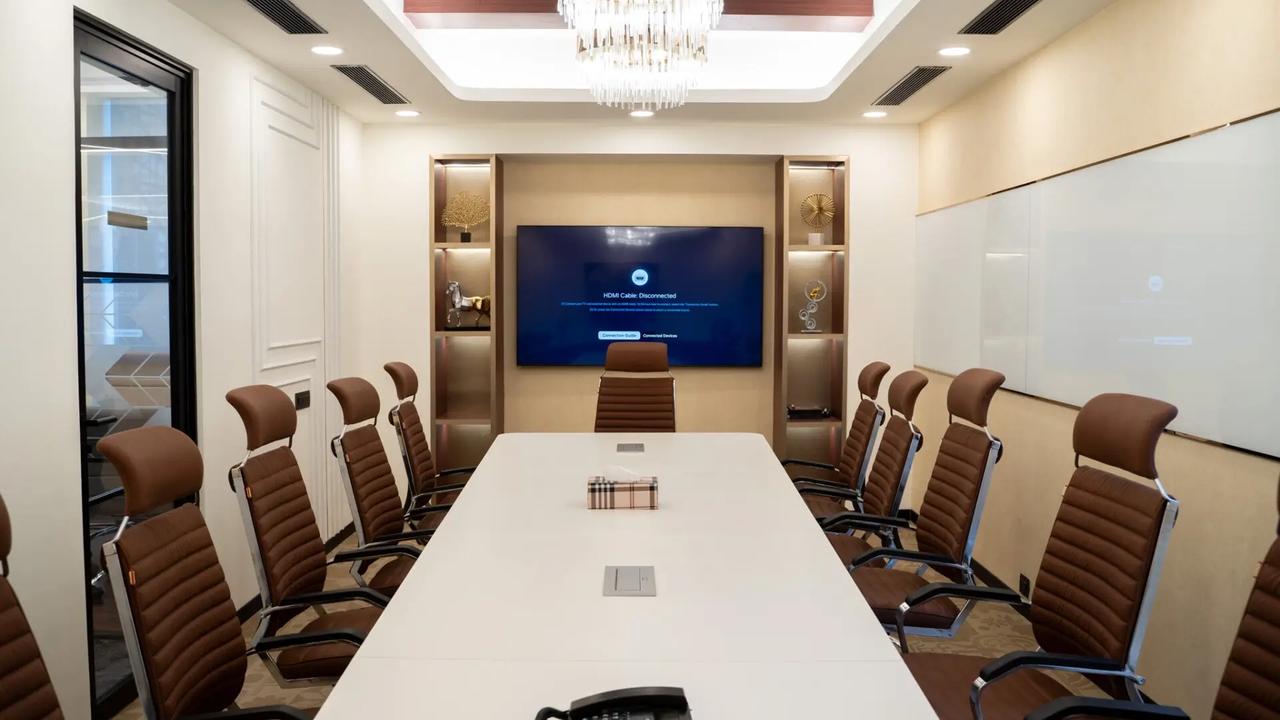
This post looks at how technology is changing office interiors: smart building systems and IoT sensors, AI tools for space planning, VR and AR walkthroughs before fit-out, and energy-efficient design up to net-zero offices. It also covers the trade-offs, from keeping a tech-heavy office pleasant to use to the privacy and security questions that sensors raise. It is written for founders, admin heads and facilities teams planning a new office or a refit.
Smart Office Solutions
IoT technology allows offices to become smarter and more responsive to employee needs:
These advancements not only improve comfort but also boost energy efficiency, aligning with sustainable building goals. Offices equipped with smart systems can reduce utility costs and enhance overall employee satisfaction.
AI tools streamline design processes by:
For example, AI applications can suggest collaborative zones based on workflow data, fostering greater teamwork and innovation. Automated layout suggestions help businesses evolve their environments rapidly, adjusting to new operational demands with minimal downtime.
VR and AR technologies allow designers to:
These technologies bridge the gap between imagination and implementation, providing realistic previews of the final workspace. Companies investing in VR-driven planning tools can speed up decision-making, minimize errors, and deliver customized solutions faster.
Modern office designs integrate health-focused technologies:
Such innovations foster a health-conscious environment that prioritizes productivity and mental wellness. Additionally, acoustic management systems powered by AI help maintain optimal noise levels, creating a more focused work atmosphere.
Technological advancements are vital in promoting eco-friendly workplaces:
By integrating sustainability with cutting-edge tech, businesses can significantly reduce their carbon footprints while enjoying long-term cost savings. AIHP's Sustainable Workspaces are leading the way in creating green-certified office spaces that prioritize both efficiency and environmental responsibility.
While technology brings numerous advantages, businesses must navigate certain challenges:
For instance, sleek, embedded control panels and wireless solutions can complement contemporary design themes.
Addressing these challenges ensures that technological integration remains both practical and secure, minimizing potential vulnerabilities.
The next wave of innovation will further enhance office environments:
Imagine offices where holographic displays replace traditional monitors, or where AI monitors user preferences to continually adjust the environment in real-time. Properties like AIHP Skyline are already integrating next-gen office solutions to redefine workspaces for the future.
Pick technology that fixes a problem your team has now, such as meeting rooms nobody can book or lights left on overnight, and settle the privacy questions before any sensor goes up. Cabling, power and controls belong in the design stage; adding them after the walls are finished is harder and usually looks it. In an AIHP managed office that planning is done before move-in, as part of the design work.
Workspace5 Mar 2025 · Udit Chauhan · 4 min read
 Workspace
3 Mar 2025 · Udit Chauhan · 4 min read
 Workspace
27 Feb 2025 · Udit Chauhan · 3 min read
Ready to move your team?
Managed private offices across Gurgaon, fully serviced and sized for your team.