Every few years, Gurgaon shifts its centre of gravity. The newest pull is New Gurgaon along the Dwarka Expressway. This belt is adding supply at scale, connecting to the airport and the national highway, and giving occupiers the two things they value most: time and room to grow. If you are planning a 2025 or 2026 move, this corridor is no longer a future bet. It is a practical option for fast starts and sensible costs.
This article explains why occupiers are shortlisting the expressway belt, how office demand is likely to pool across sectors, what pricing and vacancy usually do during an infrastructure ramp, and the simple steps that will help you move early without overpaying or slipping dates.
Why the expressway is changing the map
The promise of an address becomes real when roads and stations make the day predictable. That is what the Dwarka Expressway is doing for this part of NCR. As sections have opened and more stretches near completion, city desks like Hindustan Times Gurugram have tracked how commute times and last mile become more reliable for both residents and office goers. You can browse their on ground coverage to understand how the corridor is stitching together previously scattered pockets in a very practical way.
Air connectivity matters too. The expressway plugs straight into the airport spine, which is a big reason leadership teams and client facing functions are willing to look beyond legacy cores. When visitors can move between the terminal, the hotel, and the office without long buffers, meetings do not die on the calendar. That clarity shows up in shortlists.
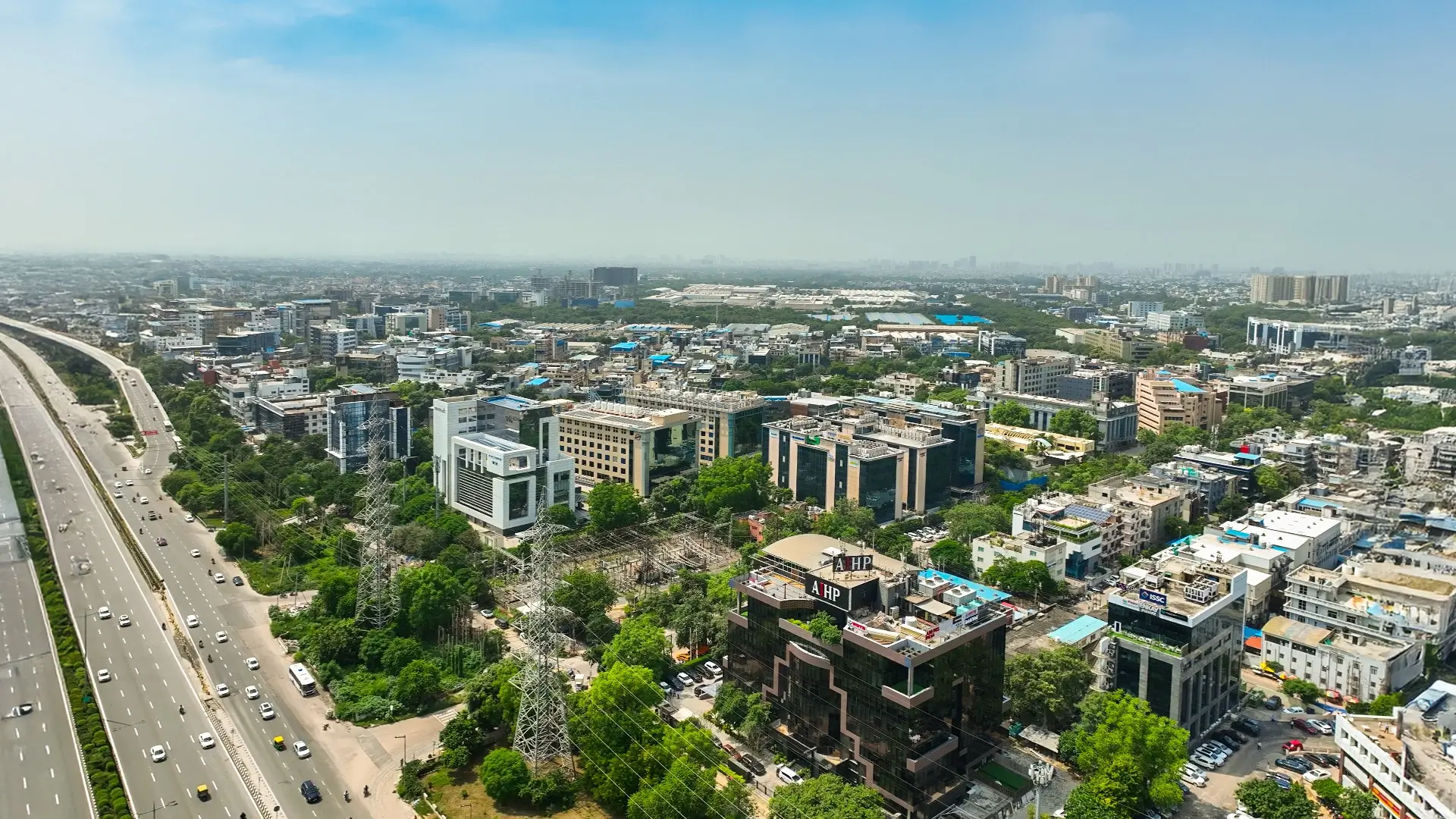
The office logic behind New Gurgaon
There are three reasons decision makers are warming to this belt.
Larger floors and campus scale. New Gurgaon offers bigger plates and clear expansion paths. Teams can seat one phase with a realistic plan for the next phase in the same address. That is the single best way to avoid mid cycle moves.
Value to velocity. Base rents are usually friendlier than legacy prime, and build readiness is better in the best managed assets. If a go live this quarter matters more than a small rent win next year, the corridor makes sense. You can compare delivery models and timelines against a turnkey route through managed offices in Gurgaon by AIHP where one partner owns design, build, tech, and operations.
Address credibility. As more Grade A projects cross milestones, you see better arrival experience, reliable lifts, clear signage, and basic retail around the block. These small things keep anchor days smooth and help hiring.
What sector demand looks like here
The first movers include tech enabled services, product and engineering, and scale up startups that want room to grow without paying a heavy premium. Global capability centres also like the area for projects and transitions since you can add seats in tranches and still keep one building. Citywide trackers such as Cushman and Wakefield MarketBeat India have repeatedly shown how new infrastructure corridors begin with a mix of value seeking tenants and then move up the quality curve as services and amenities deepen. A quick glance at those dashboards will help you line up the timing of your move with the likely tightening of vacancy.
For teams that want calendar certainty, a managed path is the simplest way to start in sixty to ninety days and then expand in place. The aim is to protect dates that tie directly to hiring, client onboarding, or product releases.
Micro market map inside the corridor
The expressway touches several pockets, and each plays a different role.
Near the airport side. Strong for client facing teams and leadership hubs that host frequent visitors. The drive is short and predictable. Hotels and conference spaces sit close by, which simplifies long days.
Central stretches with new Grade A supply. Best for scale ups and mid market firms who want value with room to grow. These pockets often have easier parking and uncluttered arrivals which matter more than people admit.
Junctions that feed into NH48 and SPR. Ideal for teams that travel across the city to see customers. The combination of highway access and improving last mile gives you a good balance of reach and cost.
On ground reporting from ETRealty’s office section often highlights how follow on leasing clusters around the first successful blocks and how incentives narrow once a few big names sign. Reading those short notes while you plan helps you pick the right slice of the corridor at the right time.
Pricing and vacancy in a ramp up year
Sticker rents move slowly. Effective rent moves first. The moment a park begins to fill, you see fewer concessions and more emphasis on handover dates. Vacancy numbers also lag the reality on the ground because pre commits and rights of first refusal quietly take out future availability. Treat any line that says available next quarter with caution until you know who already has options on it.
A simple rule helps. If your decision hinges on a hard start date this quarter or next, choose the floor that can hand over now with a clear commissioning plan. The premium for speed is lower than the cost of slipping a launch that your customers are waiting on.

What the floor plate should do for you
Transit and growth change who can reach the office. Hybrid habits change how they use it. Together they push the plan toward a few simple truths.
- More small rooms and fewer giant boardrooms. Two and four seat rooms carry most meetings.
- Medium rooms that handle hybrid without drama. Dual screens and people framing microphones let content and faces share the screen.
- Phone pods near busy teams. Quick calls should not spill across the bay.
- Arrival that works at peak hour. Clear wayfinding, fast access control, reliable lifts and a lobby that feels calm even when the building is full.
When a managed operator owns design, build, tech, and operations, these features show up as standard rather than special requests. It is one reason the model wins during fast growth.
A practical playbook for the next ninety days
Tour with a stopwatch. Visit at peak hour and again at dusk. Judge commute by time and the feel of the last three hundred metres, not by distance on a map.
Block expansion rights. Make a first right or a defined option part of the main term sheet. The biggest regret in a tightening corridor is losing the floor next door.
Pick the delivery path early. Decide between a turnkey managed route and a traditional multi vendor build. The worst outcome is drifting in the middle and losing weeks. If you want one calendar and one invoice, begin with AIHP’s managed offices in Gurgaon and benchmark it against your best traditional plan.
Pilot one hybrid room first. Two weeks of real meetings will surface most frictions. Fix audio first. Then replicate the working spec across the floor.
Hold a small flex buffer. Ten to fifteen percent swing seats for spikes are cheaper than paying for a second site you do not need.
Write service levels into the agreement. Uptime, handover milestones, and room commissioning need clear remedies if dates slip.
How this corridor fits the 2025 Gurgaon story
The expressway is not acting alone. It is amplifying the broader shifts in how companies choose and use space. If you want a quick explainer that ties PropTech, green design, mixed use precincts, flexible models, and SCO formats to real leasing outcomes, you can skim our primer on Top 5 Trends Shaping Gurgaon’s Office Market in 2025 before you walk sites. The ideas there help you ask better questions during tours and keep you focused on what will matter after move in.
Investor and landlord lens
For investors, this is a classic corridor thesis. Infrastructure reduces friction, tenants follow, vacancy tightens, and effective rents firm. As certainty rises, owners pull forward lobby upgrades and pay closer attention to public realm details that influence first impression. For landlords, the simple win is to make arrival and hybrid rooms part of the baseline rather than optional extras. Those two choices earn faster decisions from serious tenants.
Conclusion and next steps
New Gurgaon and the Dwarka Expressway are doing what good infrastructure always does. They make time predictable, they extend the talent catchment, and they allow companies to scale in place. For occupiers, that translates to more high quality choices at timelines that match growth. For landlords, it means clearer pricing power in the best located assets.
If you want a week by week delivery plan tied to hiring and client dates, book a consultation and we will translate your brief into rooms, milestones, and a start date that holds. Start by exploring office space in Gurgaon and compare a turnkey path against a traditional build before you commit.