 Workspace
10 Mar 2025 · Udit Chauhan · 5 min read

Workspace
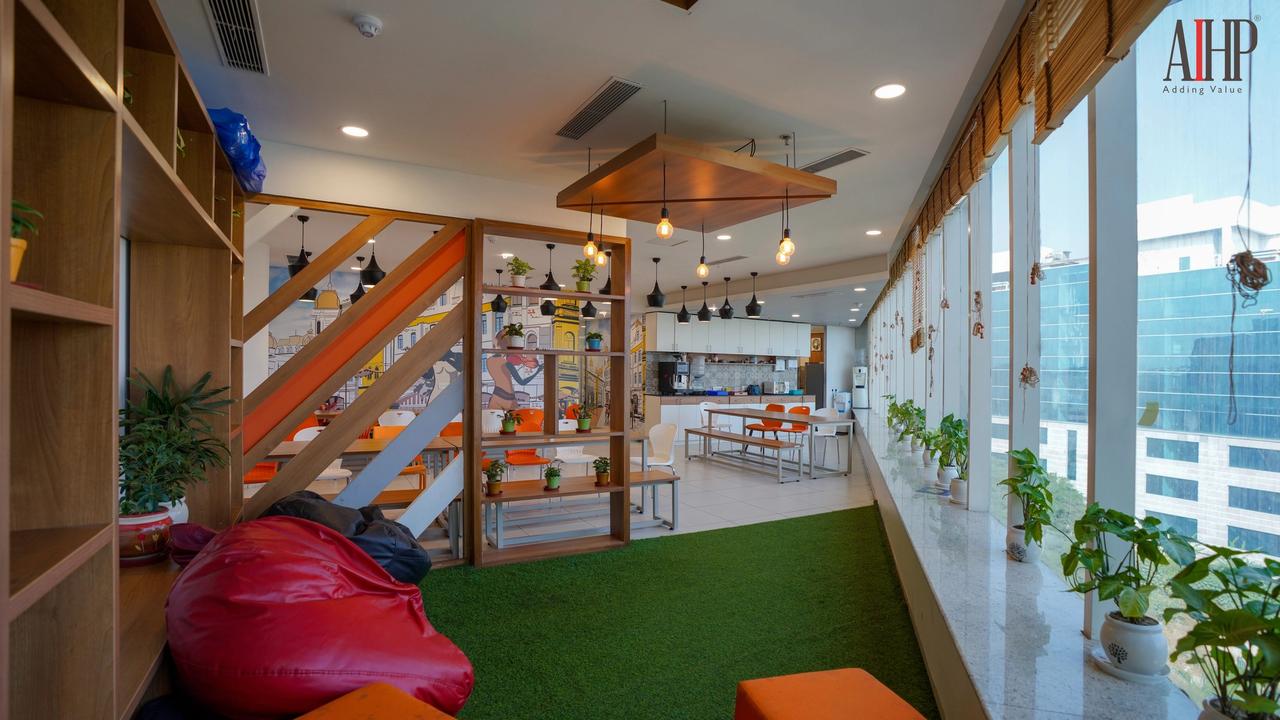
Offices in Delhi NCR often carry local habits into their layouts, from Vastu-led seating plans to space set aside for Diwali lunches and other festival gatherings.
This post covers eight of these influences: Vastu and traditional space planning, local art and architecture, festival-ready configurations, climate-responsive infrastructure, heritage mixed with new design, an inclusive setup for a diverse workforce, community collaboration zones, and green and outdoor areas. It is for companies setting up or refitting an office in Delhi, Gurugram, Noida or nearby.
At AIHP — which runs managed offices in Gurgaon — we understand the impact of culture on workplace design. Our innovative office spaces embrace these rich influences to create environments that are not only functional but also foster a sense of belonging and community.
Explore how local culture shapes office spaces across Delhi, Gurugram, Noida, and beyond by visiting AIHP.
Delhi NCR is woven with multiple threads of diverse languages, festive traditions, and centuries of architectural heritage. These local nuances don't just create a rich cultural scene; they also influence how interior layouts are planned and materials are chosen. With extreme climate conditions—think scorching summers and chilly winters—practical considerations blend seamlessly with cultural expectations. Companies approach Vastu Shastra for favorable orientations and integrate modern technology to beat the heat. Hence, office design in Delhi NCR is a careful balance of functional, climate-responsive structures and tasteful nods to tradition.

Below are the eight core strands of Delhi NCR's identity that directly correlate to how an office is concepted and decorated. Understanding, and then ingesting these pieces of cultural sensitivity, architects along with organizations put together spaces reflecting the true vibe of the place while catering to the changing necessities of the modern workforce.
It is common in most offices to utilize Vastu Shastra tenets to improve constructive energy flow within the space.
Entrance orientations, desk alignments, and communal spaces are usually designed using these quite ancient principles.
Workplace superposition and organizational consensus are elevated by the belief in a balanced design.
Designers opt for Mughal-inspired designs, Rajasthani paintings, and other local art.
North Indian Heritage-inspired color shades may range from bright colors to earthy ones.
Regional craftsmanship is incorporated within the given space to make it stand out as well as acknowledge cultural origins.
Offices often change their outlook to mark special festivals like Diwali, Holi, or Eid.
Versatile lounges and changeable interiors can change overnight for events.
This is a celebratory design strategy to bring people of different cultures on the same platform.
High Temperature: Glass can be heat-resistant, insulate, and have high-performance HVAC.
Courtyard or Terraced Approach: There is a sense of a traditional haveli with the courtyards or covered terraces.
Sustainability: Companies adopt Sustainability Initiatives for Modern Offices see UN Goals for environment-friendly operations.
Brick walls, arches, or columns restored can coexist with ultra-modern partitions.
Smart conference rooms support global collaboration without losing local flavor.
This integration defines Delhi NCR as a technology capital that is rich in heritage.
Employees from diverse backgrounds make offices incorporate prayer rooms and universal design elements.
Open floor plans encourage cross-cultural interactions and reflect the communal ethos of the region.
India's National Building Code (NBC Guidelines) ensures safety and accessibility for all users.
"Adda culture" is very much alive, where people love to gather for casual chit-chat.
Offices set up breakout corners or coffee nooks to mirror these communal gatherings.
Such spaces encourage impromptu brainstorming, reinforcing local traditions of dialogue and collaboration.
Rooftop gardens, indoor plants, and water features connect employees with nature.
Reflecting philosophical respect for ecology, many offices now have composting or recycling stations.
Combining greenery and cultural design ensures a healthier workspace aligned with local values.
In Delhi NCR, businesses integrate cultural elements into office design, blending modern aesthetics with local roots. This approach creates workspaces that feel familiar and welcoming.
Incorporating cultural references, like artwork depicting landmarks or spaces encouraging social interaction reminiscent of North Indian settings, fosters a people-friendly and engaging office environment.

Most of these ideas are cheap to build in if they are planned at the start: a Vastu-aware seating plan, a breakout area big enough for a festival lunch, shading and materials chosen for NCR summers.
You do not need all eight. Pick the two or three your staff and clients will notice and leave the rest. If you are planning an office in Gurgaon, AIHP fits out managed private offices for teams of 20 seats and up, with the layout agreed with you before design sign-off; send your headcount to leasing@aihp.in.
Workspace10 Mar 2025 · Udit Chauhan · 5 min read
 Workspace
5 Mar 2025 · Udit Chauhan · 4 min read
 Workspace
27 Feb 2025 · Udit Chauhan · 3 min read
Ready to move your team?
Managed private offices across Gurgaon, fully serviced and sized for your team.