 Workspace
22 Dec 2025 · Udit Chauhan · 7 min read

Workspace
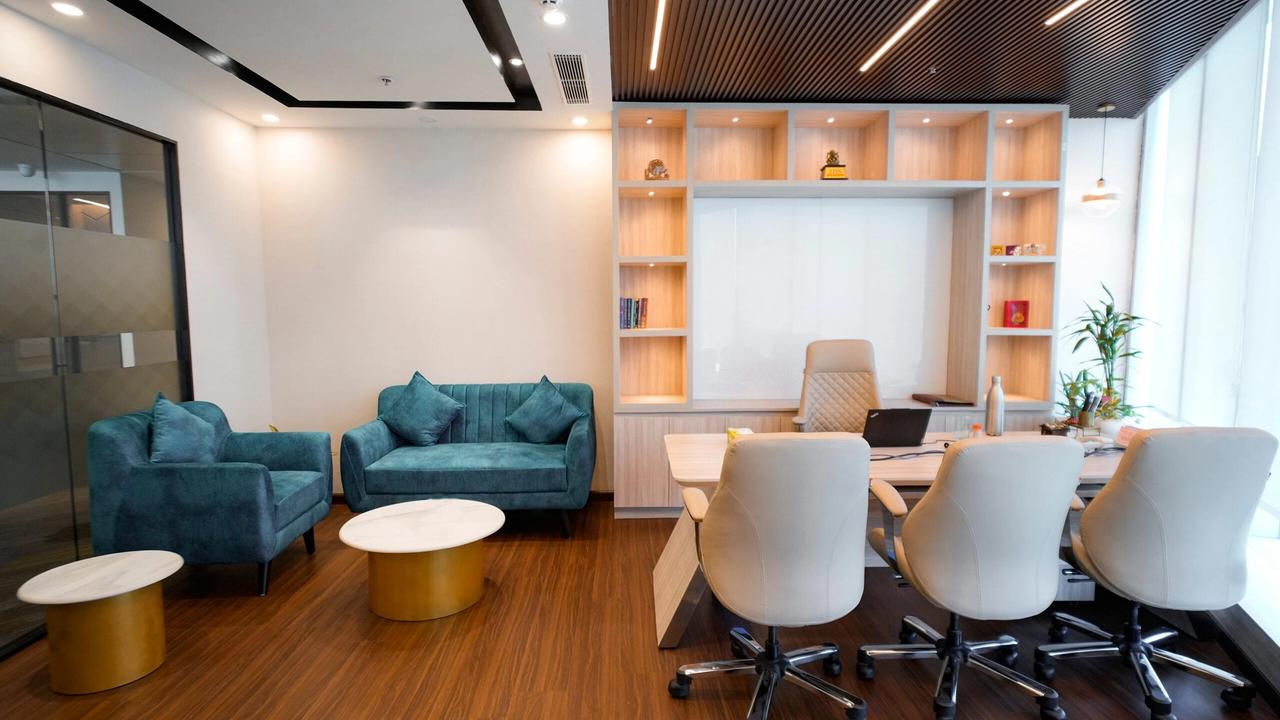
Delhi NCR’s office market has moved past the “return to office” phase and into a more mature cycle where demand is being shaped by three things: steady GCC expansion, a more disciplined approach to space from Indian corporates, and the rise of flexible and managed formats that reduce fit out delays. Leasing is not only back, it is smarter. Companies are picking locations with stronger commute logic, better mixed use surroundings, and buildings that can support hybrid work without daily friction.
A recent quarter update from JLL’s Delhi NCR Office Market Dynamics points to strong leasing and a continuing pipeline of new supply, which helps explain why the discussion has shifted from “will demand return” to “which pockets will win.”
Pre 2020, many occupiers prioritised large campuses and long leases. Post 2020, the focus moved to resilience: getting teams together on peak days, reducing commute stress, and keeping costs predictable without compromising on quality.
Three noticeable shifts are driving leasing decisions now:
1) Peak day planning
Hybrid did not kill offices, it made Tuesdays and Wednesdays more intense. Meeting rooms, smaller huddle rooms, and focus cabins matter more than pure seat count.
2) Speed to operate
A lot of teams no longer want long vendor cycles. They would rather move faster into ready infrastructure and refine later.
3) Experience as a retention lever
Employees compare the office to home every day. If focus, calls, and comfort are worse than home, attendance becomes a constant negotiation.
If you want a quick view of how Gurgaon’s demand has evolved in this cycle, the earlier AIHP piece on office space trends in Gurgaon is a useful reference point for what occupiers are prioritising on the ground.
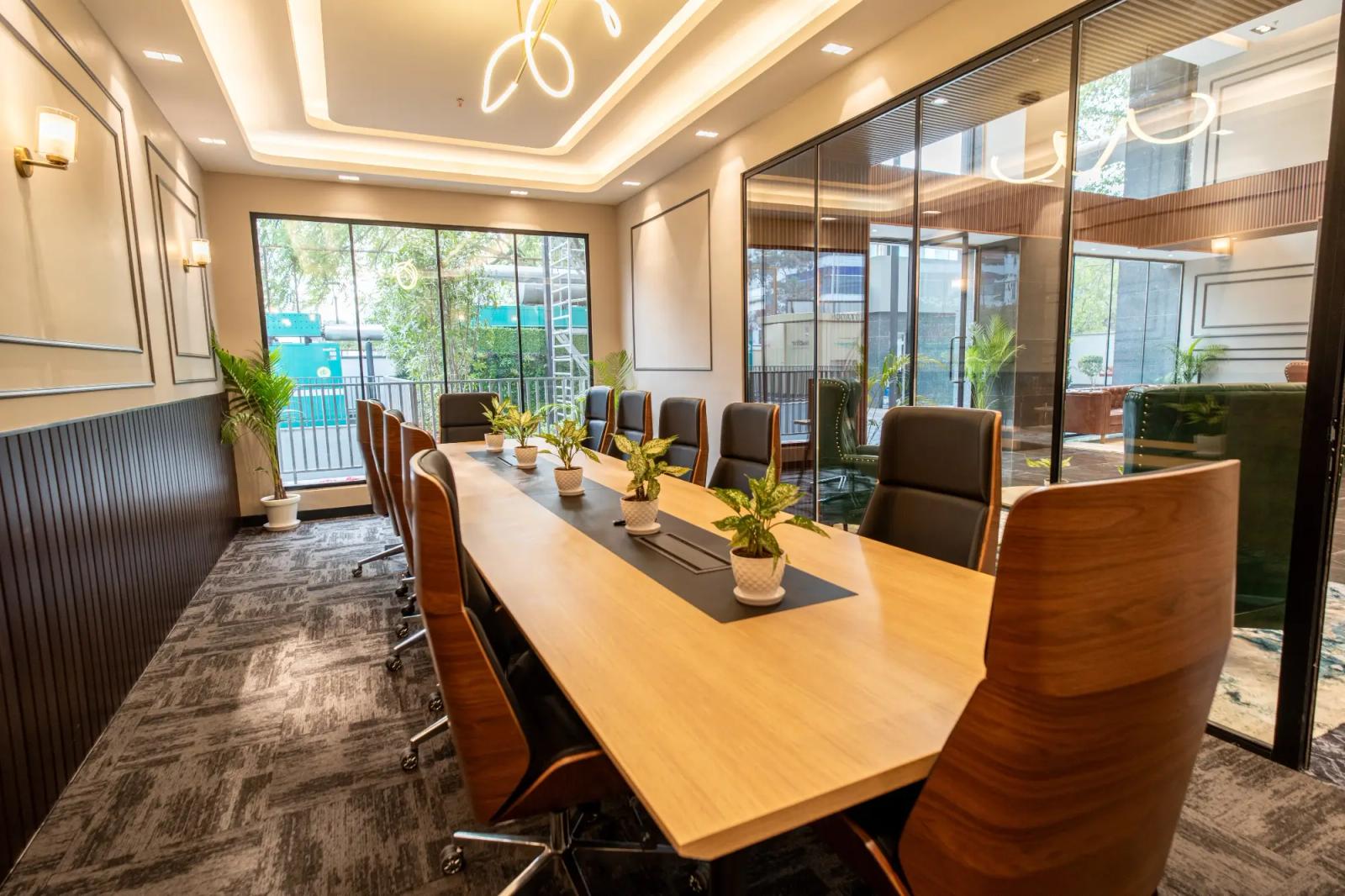
Delhi NCR is benefitting from India’s bigger story: global teams continue to expand, and GCCs are taking on higher value work. This matters because GCC leasing tends to be phased and repeatable, which supports long runway demand.
CBRE’s 2025 office figures highlight strong overall supply and completion activity across India with Delhi NCR among the major contributors, reinforcing that developers are confident enough to keep building. You can scan the data in CBRE India Office Figures Q3 2025.
Flex is not only for startups anymore. Enterprise teams use it for swing space, project hubs, and rapid expansions. This is one reason Grade A buildings in the right micro markets feel tighter than the headline vacancy numbers suggest.
BFSI demand is steady, but now it is more specific about compliance zones, privacy, and uptime. Indian corporates are also more willing to pay for better buildings when it reduces friction for hiring and collaboration.
In Delhi NCR, “NCR” is too broad to be useful. The real game is micro markets: where talent is willing to commute, where clients can reach you easily, and where new Grade A supply is actually coming online.
A good way to view the current balance is through research cuts that quantify absorption and where it concentrates. Savills’ regional watch for H1 2025 notes strong absorption in Delhi NCR and highlights Gurugram’s outsized share within the region, which aligns with what most occupiers are experiencing on the ground.
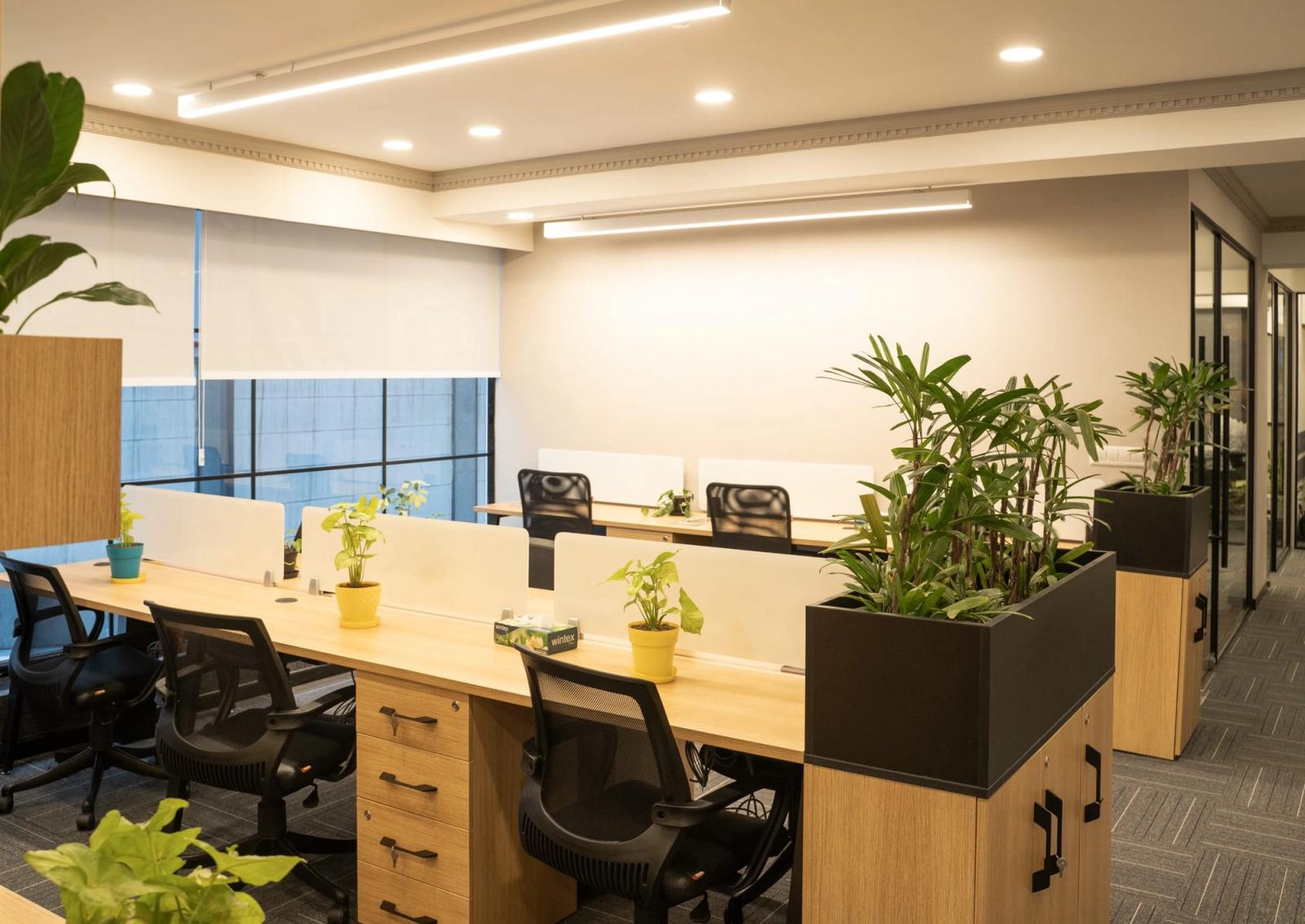
Gurugram keeps winning because it combines enterprise clusters, strong social infrastructure, and multiple micro markets with different price points. The shift is not “Gurugram versus others” anymore. It is “which Gurugram pocket fits your workforce and your brand.”
Udyog Vihar and NH8 belt
This zone benefits from visibility, connectivity, and a large catchment that includes Gurgaon and parts of Delhi. It works well for teams that want a straightforward commute logic and reliable daily operations.
Sector 32
Sector 32 has quietly strengthened as a practical corporate choice because it is centrally placed, easier for mixed commute patterns, and works well for mid sized teams that need predictability more than prestige.
Golf Course Road
This remains a strong choice for client facing teams, leadership hubs, and brands that value premium perception. It tends to work best when the business needs frequent physical meetings with stakeholders.
Golf Course Extension Road
This has matured into a scale corridor with newer inventory and a broader set of options. It is often picked by teams that want modern buildings and more value per square foot, while still staying close to the prime belt.
Sohna Road and peripheral pockets
These can work for certain workforce maps and cost targets, but the key is to test peak hour commute realism. A location that looks good at noon can feel very different at 9:30 am.
Noida continues to attract tech, ITES, and cost sensitive expansions, especially along corridors that offer better access and larger plates. For some teams, Noida’s value story is compelling, but the office experience must be designed carefully to keep peak day meetings smooth.
Delhi’s premium sub markets remain important for certain sectors, particularly where proximity to government, high end client zones, and premium hospitality matter. The post pandemic shift here is quality and scarcity: fewer but stronger options, and a sharper focus on building grade and services.
For 2025 onward, most teams scale in phases. The practical approach is to plan for three bands:
Band 1: Today’s requirement
Seats and meeting rooms for current teams, with comfort on peak days.
Band 2: Next 12 to 18 months
A buffer that can absorb growth without forcing a relocation.
Band 3: Surge capacity
A plan for a project win, a GCC phase, or a new function that lands faster than expected.
In hybrid reality, your office fails when rooms fail. If people cannot find a quiet room for a call, the office feels unusable even if there are empty desks.
A reliable rule: as you grow, add more small rooms faster than you add more desks. Two to four seater rooms and focus cabins reduce spillover, protect confidentiality, and make collaboration days calmer.
If you run a client heavy business
Choose a corridor where guests can reach you easily and where arrival experience is consistent.
If you run a build heavy tech or GCC function
Prioritise scalability, uptime, and the ability to expand in phases without breaking employee experience.
If you run a compliance heavy BFSI function
Prioritise privacy and building maturity, not only the address headline.
If speed and predictability are priorities, many companies now shortlist a fully furnished office space in Gurgaon early in the process so delivery timelines do not become a business risk.
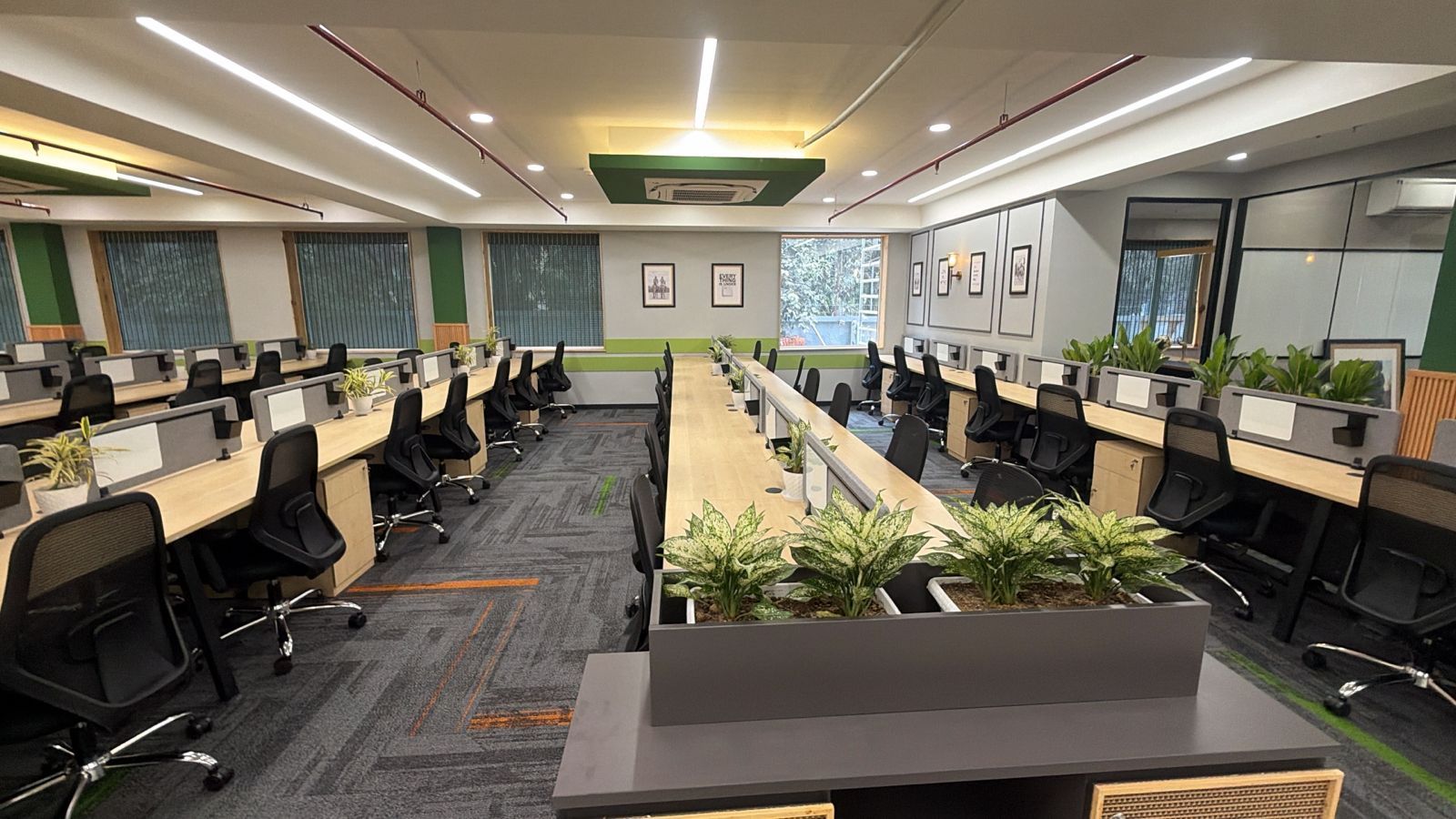
Design for three things people actually do:
People will come in when the office is simply more reliable: stable connectivity, good sound, low glare, and rooms that work every time.
For many NCR companies, a hub plus spokes approach works well: a central HQ for leadership and client work, plus a scalable hub in a corridor that supports growth.
If you want to explore Gurgaon options with a managed model without turning this into a long vendor exercise, start from AIHP once, then shortlist and tour with your headcount bands already mapped.
Workspace22 Dec 2025 · Udit Chauhan · 7 min read
 Workspace
18 Dec 2025 · Udit Chauhan · 7 min read
 Workspace
12 Dec 2025 · Udit Chauhan · 6 min read
Ready to move your team?
Fully-managed private offices across Gurgaon's prime corridors — move-in ready, fully serviced, sized for your team.