 Workspace
7 Jul 2025 · Udit Chauhan · 4 min read

Workspace
Editor’s note: Updated July 2026 to reflect the Haryana GCC Policy 2026, officially gazetted on 27 May 2026.
Launching a Global Capability Centre in Gurgaon once meant a year-long slog of site hunts, permits, and fit-outs. Three things have changed that timeline. Rapid Metro connectivity. AI-enabled single-window digital compliance. And as of 27 May 2026, a formally gazetted state GCC policy that stacks employment subsidies, R&D capital support, and CAPEX reimbursements for qualifying operations.
The financial case just improved. The Haryana GCC Policy 2026 offers up to ₹1 lakh per employee per year for 10 years for GCCs meeting local hiring thresholds — ₹50 crore for a 500-person operation over a decade. The full policy breakdown is covered separately. This article shows you how to use the policy, alongside real estate and compliance decisions, to get from board approval to operational centre as fast as the market allows.
The process below breaks the launch into three sequential phases so real estate, compliance, and talent teams move in step instead of tripping over each other. Control scope, follow the run-order, and your engineers will be shipping code while competitors are still walking floor plates.
Traditional shell-and-core towers demand multi-year leases plus multi-crore interiors. Zero-CapEx managed workspaces provide enterprise licences with a modest deposit and turnkey interiors — no fit-out capital, no vendor coordination, 60-day delivery.
| Filter | What to check |
|---|---|
| Transit | Metro station within walking distance or short auto ride |
| Security | ISO 27001-ready server rooms and 24/7 access control |
| Expansion | Reserved additional floor plates under right-of-first-refusal |
| Power | N+1 generator redundancy, minimum 8 watts/sq ft density |
| Internet | Dual ISP with symmetric 1 Gbps minimum and 99.9% SLA |
| Financial strength | Operator owns the building (not a sublet floor) for long-term certainty |
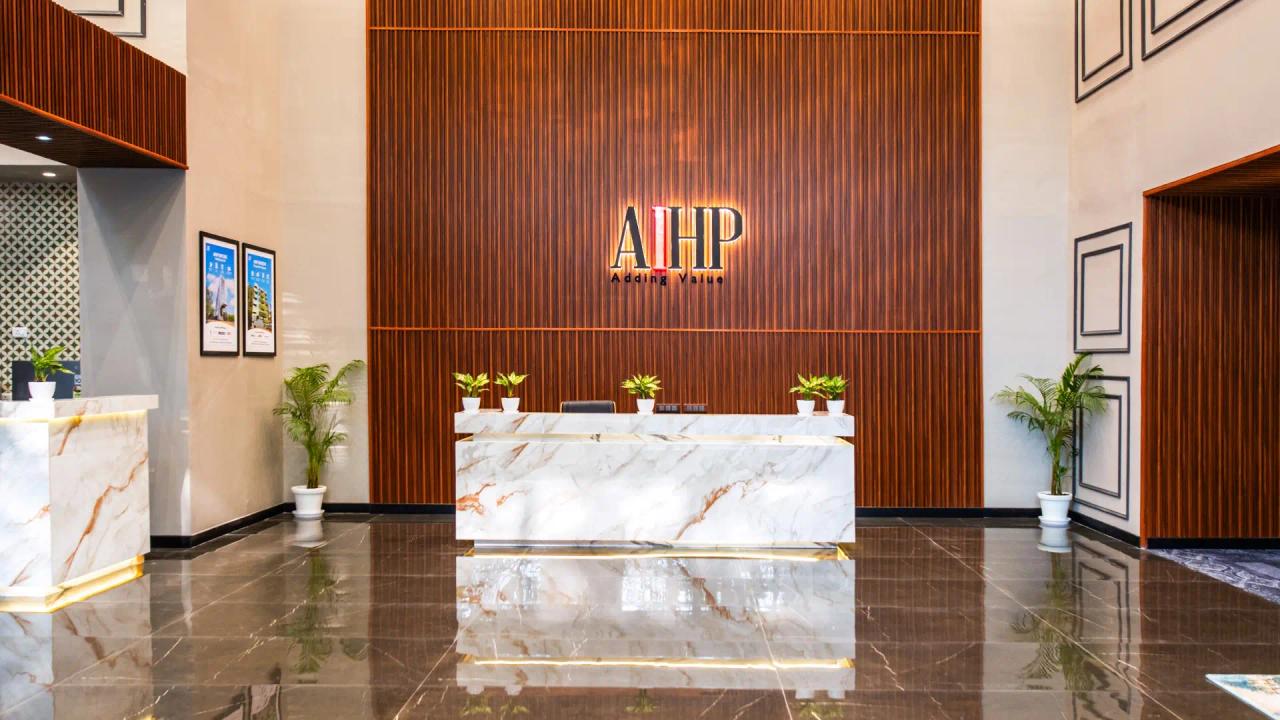
AIHP Milestone in Udyog Vihar sits opposite Cyber Hub, close to NH-48, and is available well before typical self-funded build-outs. View AIHP’s Udyog Vihar portfolio for current availability across 11 owned buildings in the corridor.
India’s SPICe+ platform issues incorporation, PAN, TAN, GSTIN, ESIC and EPFO credentials together. Upload director KYC files, e-sign, and receive approvals within two working days. No queue hopping. Start this the week you sign your licence — not after.
📋 POLICY UPDATE (27 May 2026): The Haryana GCC Policy 2026 was gazetted on 27 May 2026, superseding earlier enterprise incentive frameworks. GCCs expanding operations from 1 January 2026 qualify retroactively. Minimum eligibility: 100 employees within 3 years of commencing operations.
The 2026 policy is materially more structured than Haryana’s previous investment incentives. It stacks eight categories of support across setup, scale, and sustained operations. File via the Single Window 2.0 portal — the AI-enabled Intelligent Investment Facilitation Portal in Gurgaon — immediately after executing your licence to ensure timely clearance.
| Incentive | Benefit | Key Condition |
|---|---|---|
| Employment Subsidy | ₹1L/employee/year × 10 years | >15% Haryana domicile workforce |
| Women Employment | ₹1.2L/employee/year × 10 years | Enhanced rate for women employees |
| R&D Capital Subsidy | 50% of eligible cost, ₹10–50Cr | DSIR/CSIR-recognised R&D centre |
| R&D Opex Reimbursement | 50% up to ₹2Cr/year | DSIR/CSIR-recognised R&D centre |
| Internship Support | 50% up to ₹15K/month | Up to 50 interns/year |
| CAPEX/OPEX Support | Reimbursements (location-tiered) | Gurgaon qualifies at mid-tier |
| Stamp Duty | Reimbursement on property purchase | Policy-designated units |
| Electricity Duty | Exemption in designated blocks | Designated development blocks |
Three things to model correctly before projecting incentive value. First, Gurgaon qualifies at mid-tier for CAPEX and OPEX reimbursements — the policy offers higher tiers to non-Gurugram Haryana districts to encourage regional development. If Gurgaon is operationally necessary, this doesn’t change the location decision, but model mid-tier assumptions. Second, the employment subsidy’s 15% Haryana domicile threshold requires five years of permanent Haryana residence — achievable but not automatic in Gurgaon’s predominantly Delhi-NCR talent market. Third, benefits run for 10 years and require sustained compliance. Build administrative infrastructure for this at launch. The full policy analysis is covered in the Haryana GCC Policy 2026 guide.
Phase 1 checklist: Licence term sheet signed • Incorporation certificate issued • Policy incentive application number generated via Single Window 2.0

Managed-office partners act as integrated design-build contractors. The standard fit-out path:
Keeping layout changes minimal is the single most effective way to stay on schedule. Spontaneous “cool-factor” requests derail mechanical and fire-safety calculations. Freeze the brief early and hold it.
| Licence | Portal | Typical Turnaround |
|---|---|---|
| Fire NOC | Haryana Fire Portal | ~1 week if base building pre-certified |
| Shops & Establishment | e-Saral | <48 hours |
| STPI unit (optional) | STPI Noida-II online | ~2 weeks |
| GCC Policy incentives | Single Window 2.0 (IIFP) | File immediately post-licence |
STPI registration is optional but delivers customs-duty and IGST savings on imported servers. Worth assessing if hardware imports are significant in year one.
Phase 2 checklist: Fit-out substantially complete • Fire NOC received • Core network live • Single Window 2.0 application submitted
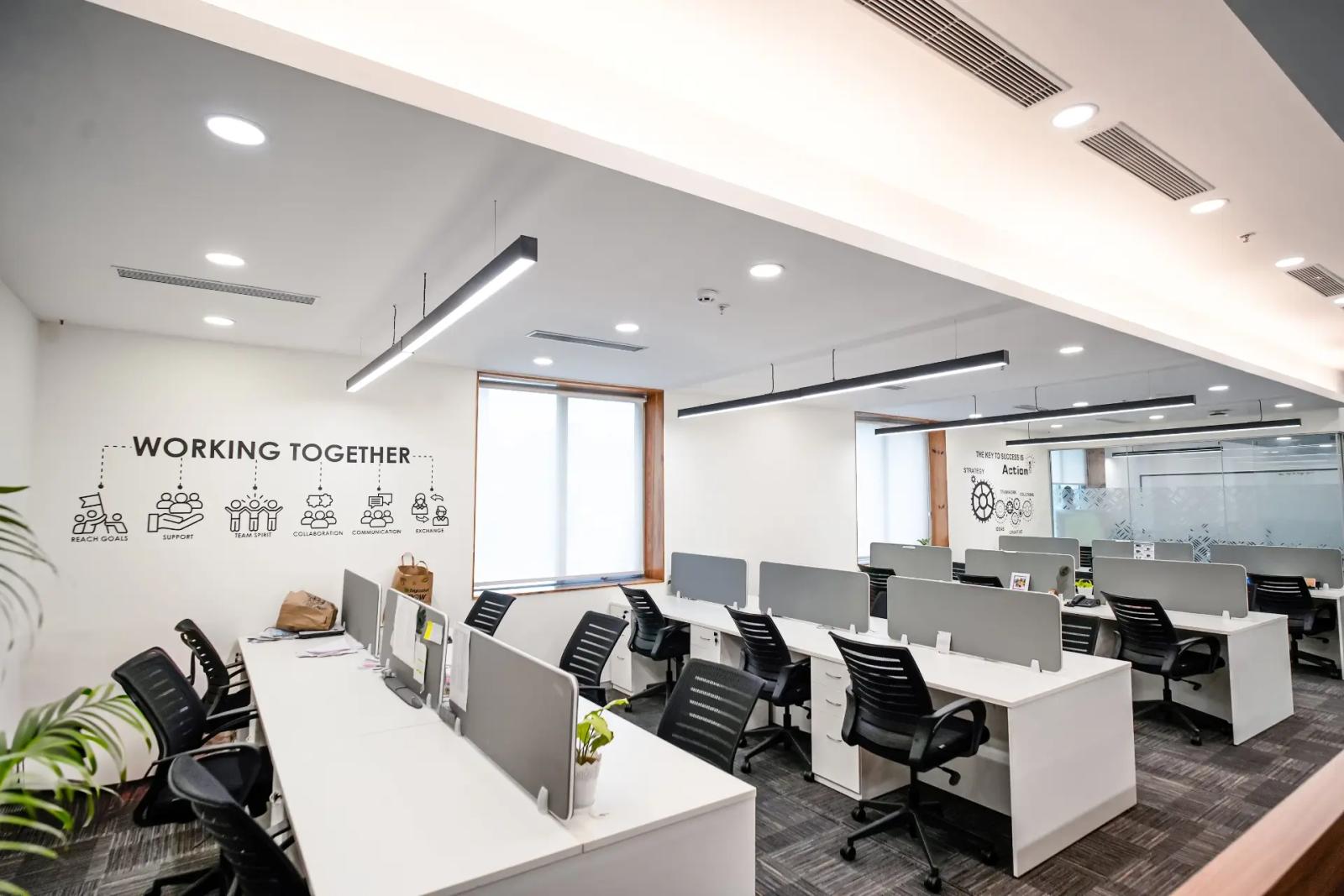
Leverage NASSCOM’s regional council for campus drives at IIT-Delhi, DTU, and private universities. For lateral hiring, LinkedIn campaigns targeting engineers from Bengaluru — messaging around metro access, international projects, and Gurgaon’s quality of life — consistently outperform generic JD posts. If you’re targeting the Haryana employment subsidy, build a parallel Haryana-resident hiring stream from week one. The talent access case for Gurgaon’s micro-markets is covered in detail here.
Before fully opening, invite a cross-section of staff to test the space under load:
Every snag found on pilot day — WiFi dead spot, service bottleneck, access card failure — is a snag not found by your global leadership on their first visit. The pilot is cheap insurance.
Phase 3 checklist: Pilot run complete • Network and facilities signed off • First employee batch onboarded • Press release issued • HEPC visit scheduled
| Question | Zero-CapEx Fast-Track | Traditional / Build-to-Suit |
|---|---|---|
| CapEx ceiling modest? | ✓ Yes | ✗ No |
| Need to hire quickly? | ✓ Yes | ✗ No |
| Flexible headcount forecast? | ✓ Yes | ✗ No |
| Lab-heavy / high-power data hall? | ✗ No | ✓ Yes |
| Targeting GCC Policy 2026 subsidies? | ✓ Either model qualifies | ✓ Either model qualifies |
If most answers lean left, the fast-track delivers better ROI and agility. The GCC Policy 2026 incentives apply regardless of office format — they are tied to employment and investment thresholds, not to workspace model choice.
📥 RESOURCE: Daas Labs grew from 85 to 200+ seats across two AIHP buildings in Udyog Vihar. Zero CapEx on fit-out. Zero disruption during scale-up. Read the Daas Labs case study →
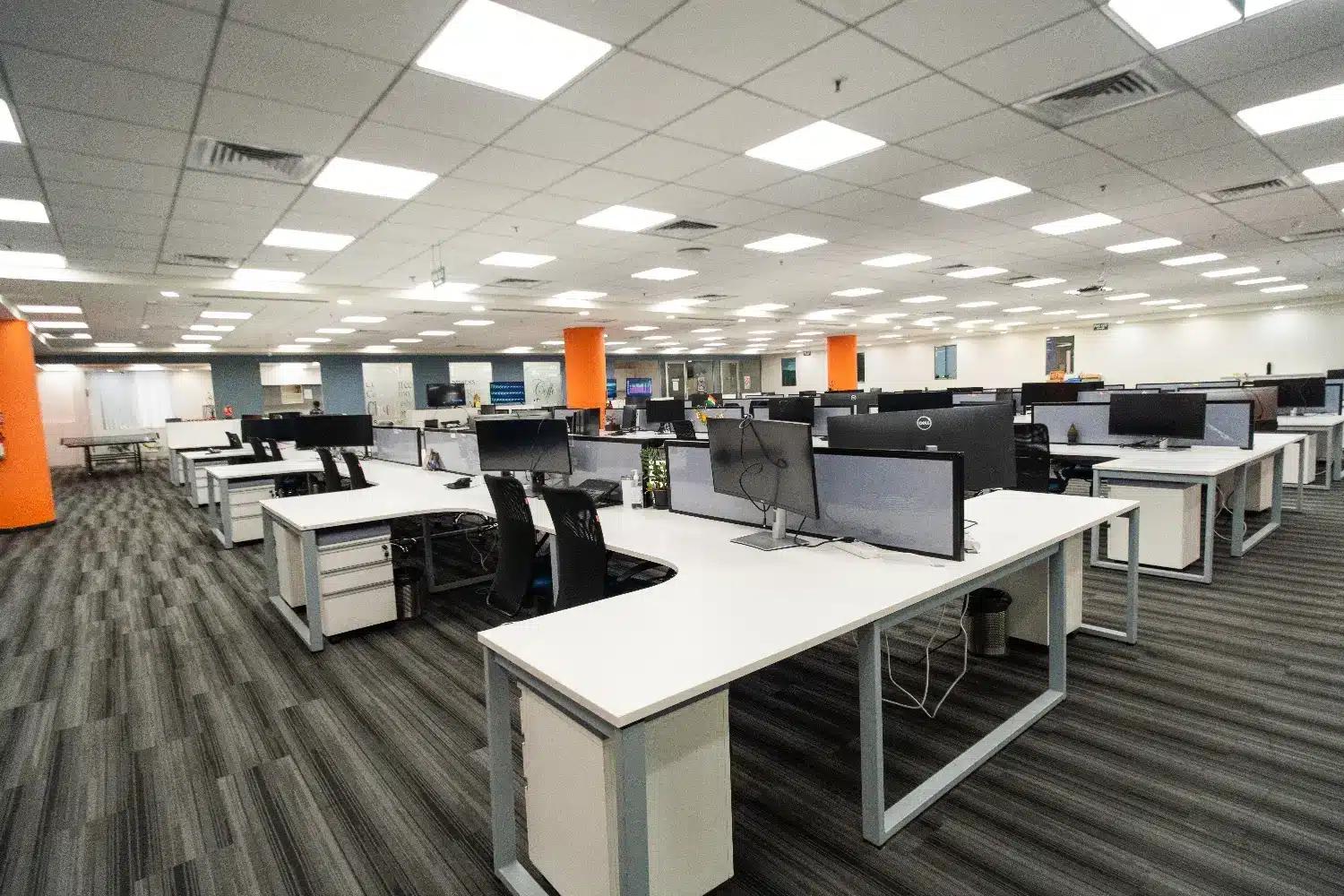
Gurgaon’s transit grid, digital compliance infrastructure, and zero-CapEx managed campuses compress GCC launch timelines. The Haryana GCC Policy 2026 adds a financial layer that was missing before — employment subsidies, R&D capital support, and streamlined approvals through Single Window 2.0.
The sequence is the same as it has always been: real estate and entity formation in parallel, fit-out without capital outlay, hiring while competitors are still drafting RFPs. What’s new is that the state is now structurally incentivising the decision to be here — and for companies that qualify and plan their compliance correctly, the financial impact is material across a 10-year horizon.
Need a floor plate that lines up with every fast-track milestone — and a workspace partner who has scaled GCC-format operations in Gurgaon before? Get in touch with AIHP or book an office tour.
Workspace7 Jul 2025 · Udit Chauhan · 4 min read
 Workspace
2 Jul 2025 · Udit Chauhan · 5 min read
 Workspace
27 Jun 2025 · Udit Chauhan · 5 min read
Ready to move your team?
Fully-managed private offices across Gurgaon's prime corridors — move-in ready, fully serviced, sized for your team.