 Workspace
20 Jun 2025 · Udit Chauhan · 6 min read

Workspace

As the CFO of your company, every cost-and-investment decision is on your radar screen. Real estate costs—particularly old-school leases—tend to be near the top of that list. Managed offices are recalculating the numbers, providing finance executives with greater visibility and precision over cash flow, scalability, and long-term value. What follows are three tried-and-true methods they accomplish this feat, informed by findings from industry-leading research and real-world success stories.
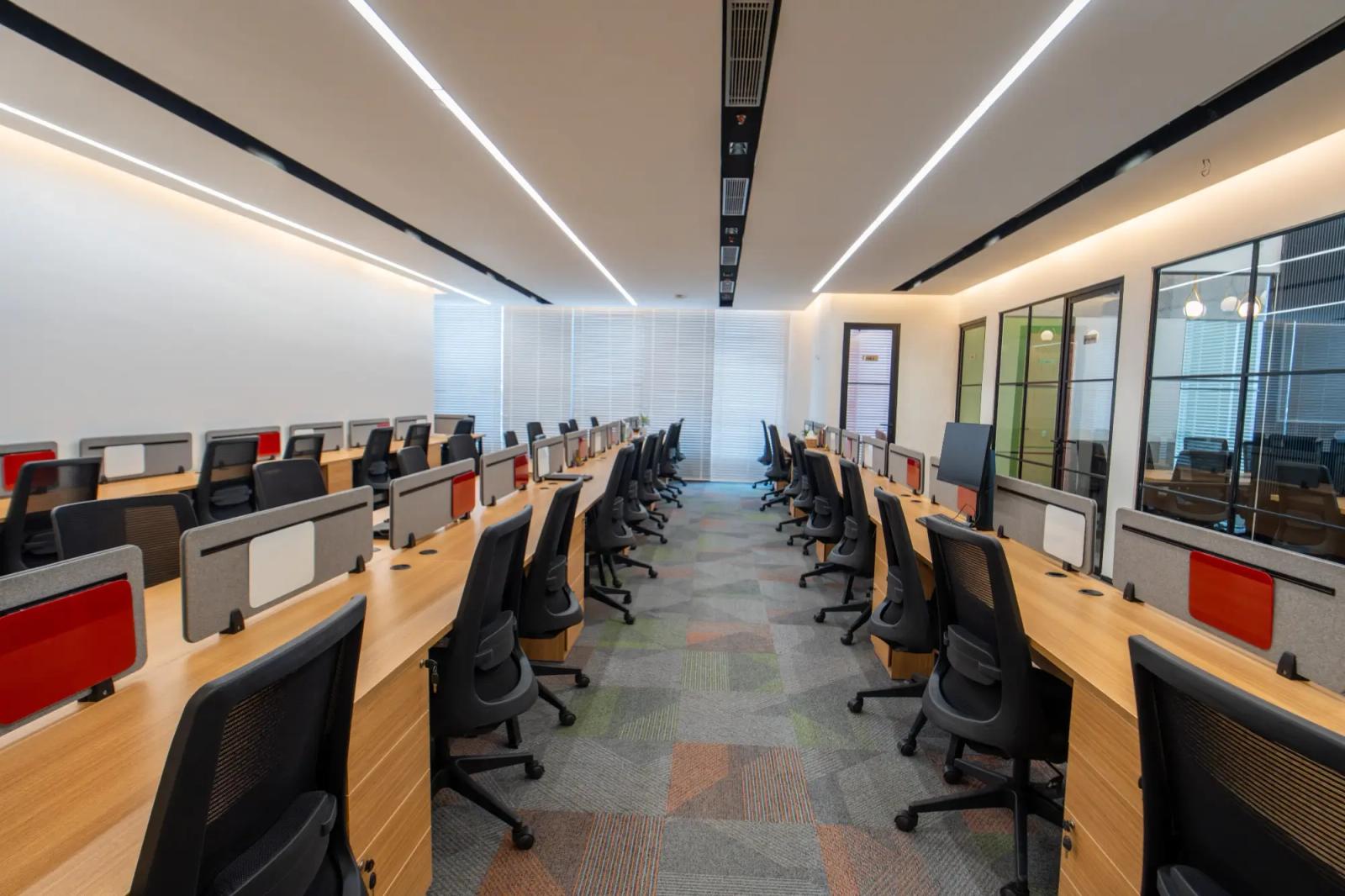
Capital spending (CapEx) can absorb a huge amount of a company's liquidity. Conventional fit-outs involve large upfront payments for interiors, furniture, and IT infrastructure—expenses which can run into several million rupees, depending on the scope. Managed offices eliminate these capital expenditures altogether. Instead of sinking money into depreciating assets, firms pay a single monthly fee, enhancing liquidity and providing greater financial agility.
A prominent example is Anand Rathi Wealth, a leading financial-services company that opted for an AIHP managed office in Gurgaon. By avoiding CapEx, the CFO redirected funds to core operations, leveraging their financial resources more effectively. And the trend is growing: a recent CBRE flexible-office market update found organizations can cut initial real-estate CapEx by 50–70% when they choose turnkey space.
As a CFO, predictability is your ally. Managed offices convert variable costs—maintenance, energy, housekeeping, IT—into one transparent monthly fee, simplifying budgeting and financial forecasting. JLL’s Future of Work Survey 2024 highlights how companies adopting flexible workspace models report 28% better cost-predictability. Supporting this, a Deloitte CFO study on flexible leasing strategies shows 75% of finance chiefs now prioritize adaptable lease terms.
For example, OLX’s office space at AIHP Milestone in Gurgaon is billed under a single invoice—covering everything from utilities to security—enabling efficient budget allocation across other business segments.
Growth-oriented CFOs understand the necessity of agility. Business units expand, contract, and pivot; real-estate commitments should flex just as quickly. A Cushman & Wakefield future-of-workplace report underscores the growing preference for agreements that allow occupiers to adjust office sizes based on current business requirements.
ArcelorMittal’s experience in Gurgaon exemplifies this agility. When headcount surged, AIHP unlocked adjacent suites with mirrored interiors in weeks—no hefty penalties or sunk costs.
Beyond immediate financial efficiencies, managed office spaces contribute to long-term gains. Studies consistently reveal that workspace quality directly influences productivity and financial efficiency, two critical metrics every CFO closely monitors. Additionally, managed office spaces align with sustainable business practices—thanks to green-building features—and boost your company’s ESG ratings.
To illustrate these points more tangibly, consider Reinheads, a Gurgaon consultancy that migrated from a traditional lease to an AIHP managed office:
The Reinheads engagement underscores why CFOs increasingly prefer managed offices.
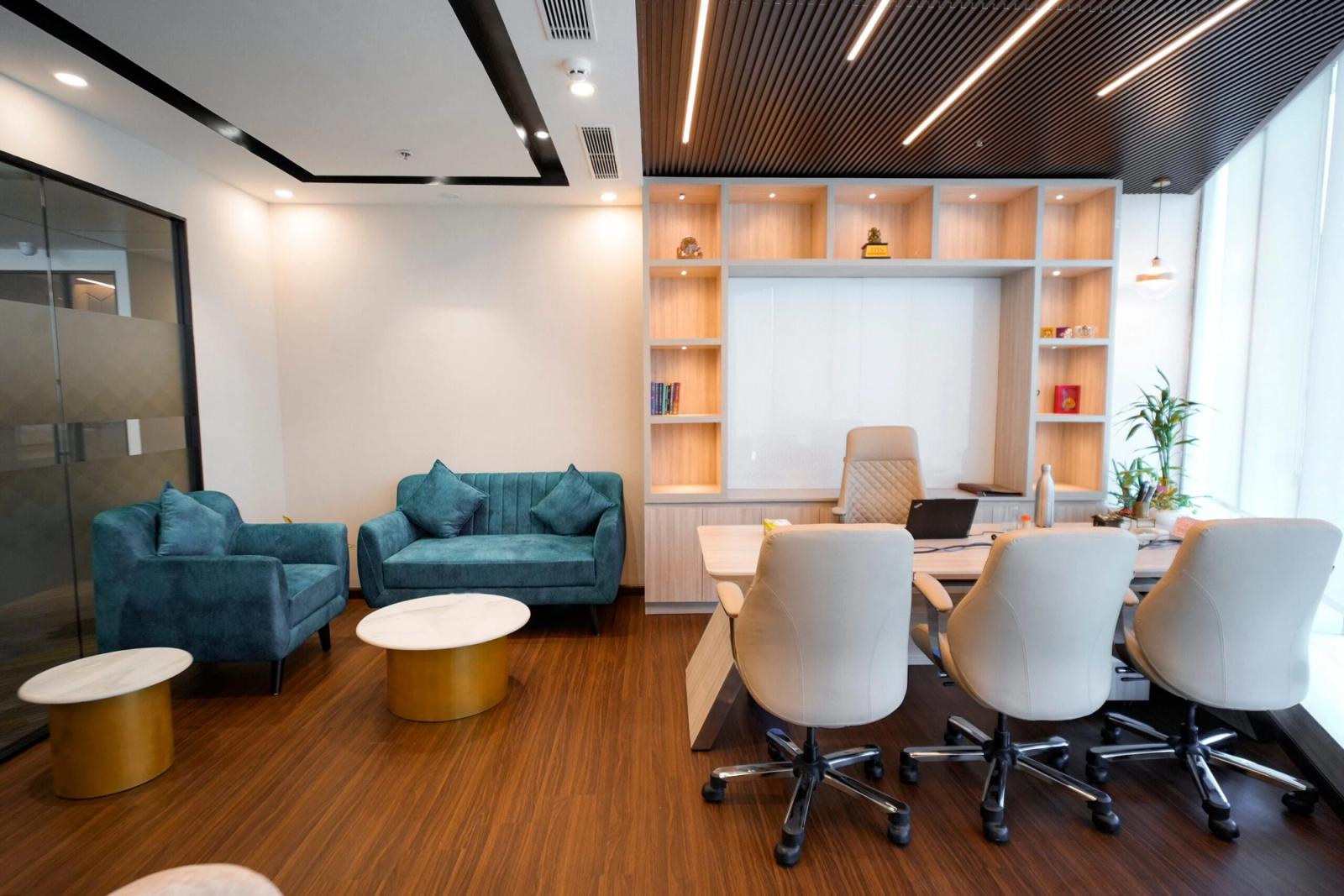
The strategic benefits of managed offices go beyond merely containing costs; they enable better capital deployment, risk mitigation, and organizational agility. Ready to learn more about transforming your workspace strategy?
Book your exclusive workspace tour now for a personalized walkthrough of our premium managed office spaces in Gurgaon.
Workspace20 Jun 2025 · Udit Chauhan · 6 min read
 Workspace
18 Jun 2025 · Udit Chauhan · 4 min read
 Workspace
16 Jun 2025 · Udit Chauhan · 5 min read
Ready to move your team?
Fully-managed private offices across Gurgaon's prime corridors — move-in ready, fully serviced, sized for your team.