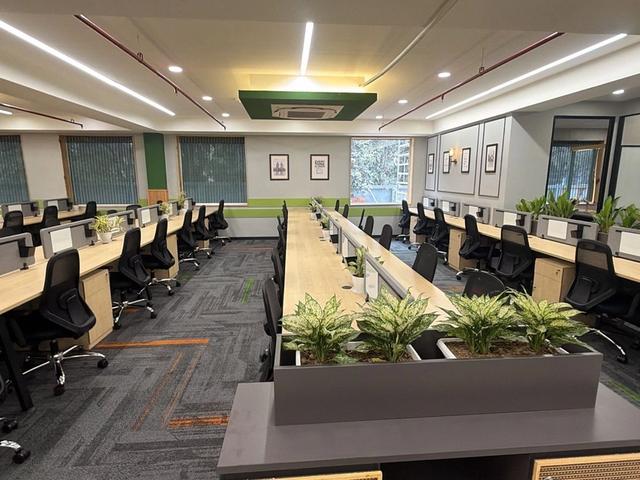
 Workspace
5 Jan 2026 · Sarthhak Kaluucha · 9 min read

Workspace
TL;DR
Gurgaon has shifted from India's expensive office market to its most strategic: office stock is nearing 100 million sq ft, and Gurugram took roughly 65% of Delhi NCR's 6.8 million sq ft H1 2025 absorption. Enterprise clustering, connectivity and market maturity now outweigh rent.
For years, Gurgaon was known as the expensive office market.
In 2026, it’s becoming something more important, the most strategic one.
Not because rents are rising, but because business decisions here get tested faster and harder than in most Indian cities.
Earlier, Gurgaon was discussed like a price tag. “Rent high hai but building acha hai.” That was the vibe. Now the conversation has changed. The city has become a proving ground where companies validate three things quickly: hiring, execution speed, and how “future ready” their operations actually are.
A big reason is sheer scale and depth. Gurugram’s office stock has expanded steadily and is nearing 100 million sq ft by the end of 2025, which says a lot about how much enterprise capacity the market has built over time. When a market gets that deep, it stops being only about rent. It starts behaving like infrastructure for growth.
If you want the on ground reality of how companies are shortlisting and why some corridors keep winning, this Office Space Trends in Gurgaon piece is a useful baseline.
Rent is visible. Infrastructure is felt daily. In Gurgaon, infrastructure is no longer a supporting detail. It is the main driver behind why the city keeps attracting serious demand.
When large firms and GCCs cluster, the ecosystem starts working like a flywheel. Vendors become stronger, service standards rise, and the market becomes easier to navigate for new entrants. Even at the India level, 2025 office leasing hit record highs for the third consecutive year, with 82.6 million sq ft leased and supply also reaching a new peak, as CBRE highlighted in its update. This kind of momentum feeds into Gurgaon because it already has the enterprise base and the delivery capability.
In most cities, a “great building” can still feel like a bad decision if access is painful. Gurgaon has multiple corridors that stay relevant because decision makers can reach them easily, teams can commute from mixed catchments, and client meetings do not become a half day task. That matters in a market where time is literally money.
This is also why many companies start by evaluating a fully furnished office space in Gurgaon early, not because they love shortcuts, but because timelines and operational readiness reduce risk.
A strategic market is not forgiving. If your building operations are weak, if lifts are slow, if meeting rooms fail, or if the commute is unrealistic, you will feel it in weeks. Gurgaon is that kind of market. It rewards good planning and punishes lazy decisions.
This is where Gurgaon becomes truly strategic. It is not only that talent exists. It is that talent can move.
Delhi NCR talent does not behave like a single city talent pool. People live across multiple zones, and they are more willing to switch jobs when the commute becomes unreasonable. So hiring velocity is directly tied to location choice.
A clear signal of demand concentration comes from Savills. Delhi NCR recorded gross absorption of 6.8 million sq ft in H1 2025, and Gurugram alone accounted for about 65 percent of the region’s total, which tells you where companies are actually placing teams. When most absorption sits in one micro market, it creates a talent gravity effect. People start saying, “Gurgaon hi best hai for my next move,” because the options keep appearing there.
For CXOs, this means something simple: if you want faster hiring and better retention, your office location is no longer a background decision. It is a frontline lever.
If you are mapping this more strategically across NCR, this strategic office location Delhi NCR guide helps frame location as a business advantage, not a facilities choice.
Gurgaon is full of teams that run high intensity weeks. GCCs. Product engineering. BFSI operations. Consulting. Sales heavy companies. When work intensity is high, your office gets stress tested daily.
Here are the “weak points” that show up fast in Gurgaon, and why the city is strategic because it forces you to fix them.
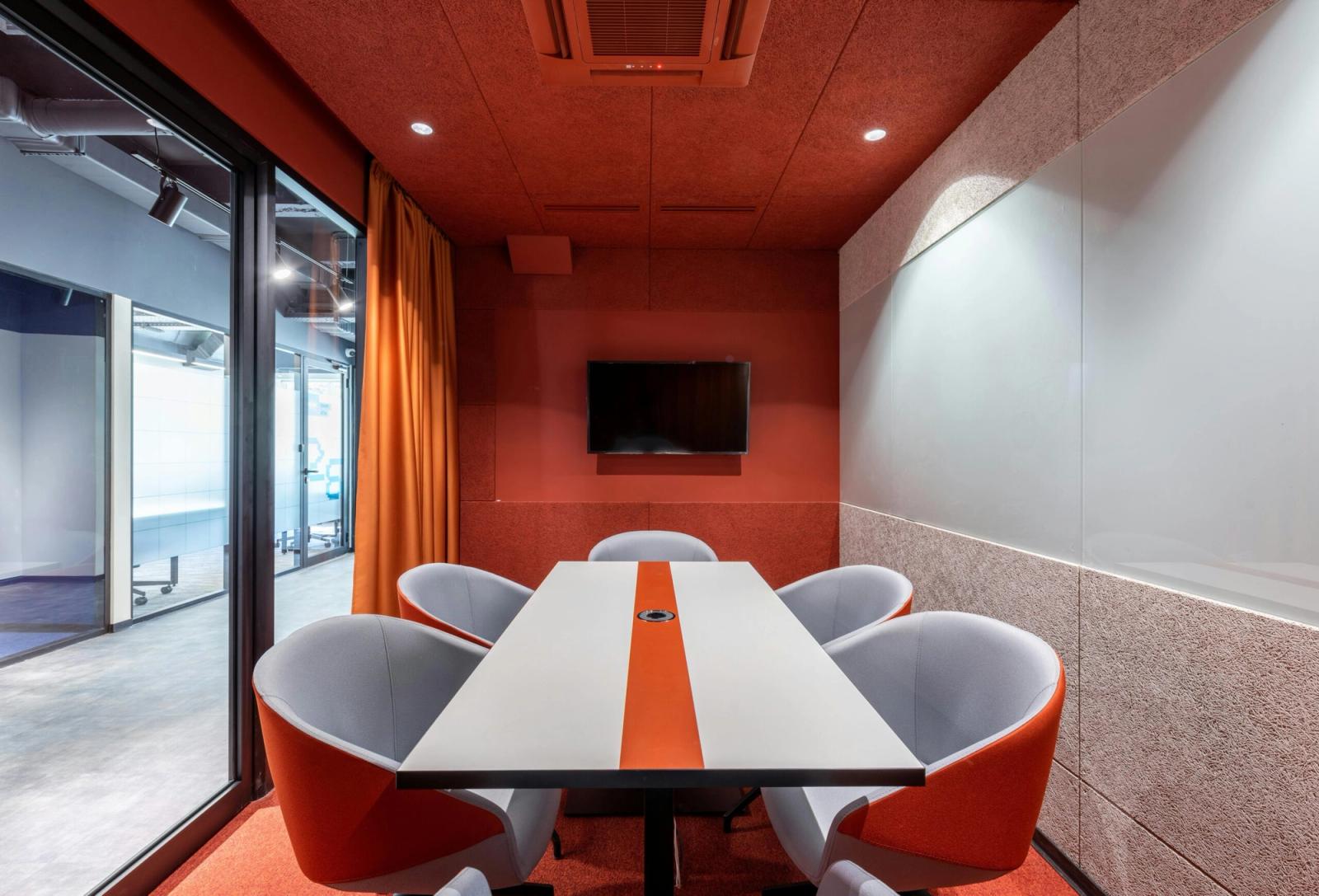
Hybrid has made peak days heavy. If meeting rooms are weak, the office feels small even when seats are available. Gurgaon teams are now designing around rooms first and desks later.
This is the part many companies underestimate. You can have a great fit out, but if the building does not run smoothly, your leaders start losing time. Gurgaon has enough high quality options that occupiers now expect predictable operations, not excuses.
When a company is expanding, it will accept a “good enough” office that is ready, reliable, and scalable over a “perfect” office that is late. That is why managed, ready formats keep making sense for growth stages.
If you are choosing Gurgaon in 2026, do it with intent. Treat it like a strategic bet.
Most teams scale in phases. Plan for three bands: current, next 12 months, and surge. You do not want to relocate again in 18 months because the business grew faster than expected.
Client heavy teams should prioritise ease of access and brand perception. Build heavy teams should prioritise scalability and operational stability. Regulated teams should prioritise privacy and controlled environments. Gurgaon offers corridors for each, but you need to match the corridor to your work style.
Rent is one line item. Your real cost is disruption. Commute friction. Meeting chaos. Rework. Vendor delays. Gurgaon is strategic because these costs show up quickly, so your decision quality improves faster.
 Workspace
5 Jan 2026 · Sarthhak Kaluucha · 9 min read
 Workspace
2 Jan 2026 · Sarthhak Kaluucha · 7 min read
 Workspace
26 Dec 2025 · Udit Chauhan · 8 min read
Ready to move your team?
Fully-managed private offices across Gurgaon's prime corridors — move-in ready, fully serviced, sized for your team.