 Workspace
8 Jan 2026 · Sarthhak Kaluucha · 7 min read

Workspace
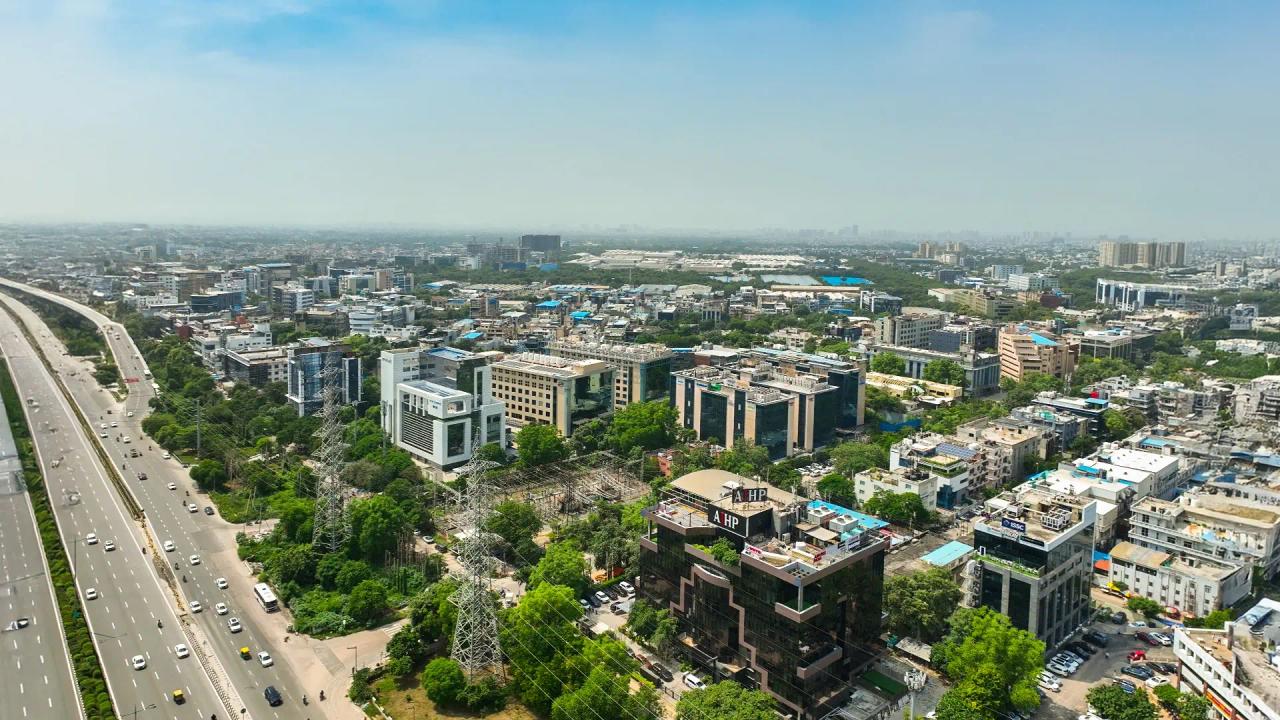
Rising rents are easy to notice.
What is harder to see is how experienced occupiers are quietly changing their office strategy to stay ahead of cost pressure.
If you are making a Gurgaon decision in 2026, rent is only one line item. The real risk is locking into the wrong structure, the wrong size, or the wrong micro market and then paying for it every month through wasted space, poor utilisation, and constant churn.
India’s Grade A office market hit a new high in 2025 with stronger leasing, tightening vacancies, and rentals moving up, which is exactly the backdrop that makes Gurgaon negotiations tougher right now.
Even after the return to office noise settled, leasing stayed healthy. A lot of the demand is coming from GCC expansions, steady BFSI requirements, and tech teams that are still growing but with sharper space planning. When absorption holds and good supply gets picked up quickly, landlords gain confidence to push pricing.
In most Gurgaon corridors, the premium is no longer just for a better address. It is for better building performance: stable cooling, smoother visitor flow, better common areas, and reliable operations on peak days. That performance gap is widening, so top buildings keep commanding higher rents while average stock gets negotiated harder.
This is also why you will notice companies spending more time on shortlisting than earlier. They would rather pay slightly more for a building that runs well than save on rent and spend the difference on daily firefighting.
Recent market updates show rents appreciating across Delhi NCR on a quarterly basis, which supports the idea that the direction is up even if the rate differs by pocket. For example, JLL noted rental appreciation in Delhi NCR in its recent market dynamics update.
Golf Course Road behaves differently from Golf Course Extension Road. Udyog Vihar behaves differently from Sector 32. New Gurgaon behaves differently from older corridors. When a market is segmented like this, rent pressure often shows up first in the corridors with tight Grade A supply and strong enterprise clustering, and then moves outward.
If you want a corridor wise view before you negotiate, it helps to scan a grounded summary like this AIHP piece on Gurgaon office space trends and map it to your workforce and client movement.
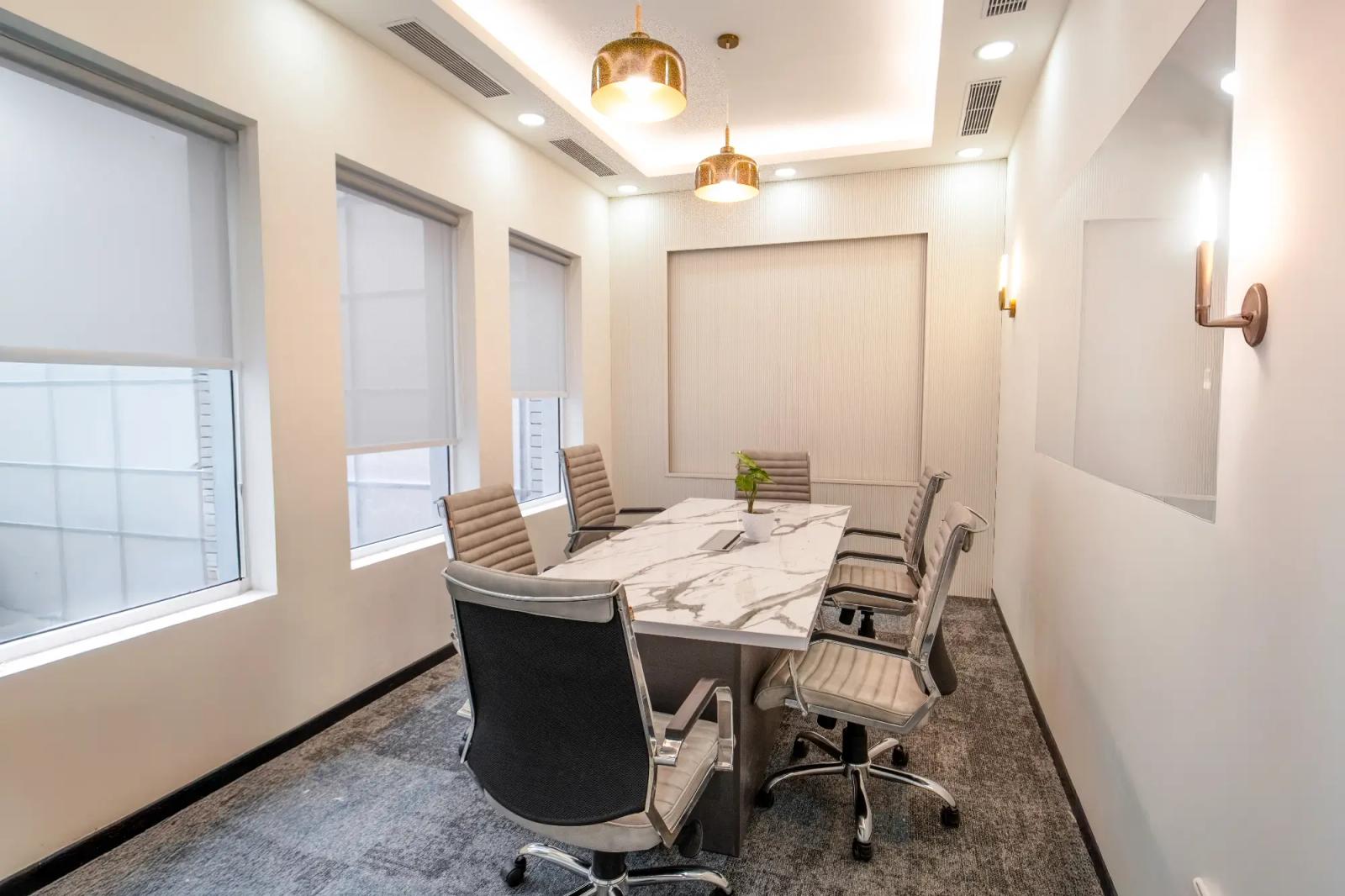
There is a reason more companies are taking fewer seats than they would have taken in 2019, even when headcount is higher today.
Hybrid did not reduce work. It changed patterns. Tuesdays and Wednesdays can feel packed, while other days look quiet. So companies are optimising for collaboration intensity rather than daily desk occupancy.
Smart occupiers are doing this:
This approach often reduces rentable area without reducing usable capacity, because meeting quality becomes the real output.
When rents rise, the instinct is to cut area. But cutting the wrong things makes the office feel smaller than it is. The most common mistake is taking fewer square feet and then discovering there are not enough quiet rooms for calls.
A smarter way is to reduce dead zones and overscaled cabins, then reinvest a part of the savings into rooms that work every time. It is a better trade because it supports productivity on peak days.
Old thinking: bigger pantry equals better office.
New thinking: pantry should be functional, fast, and placed where it does not disturb focus zones.
This is where “smaller but smarter” becomes real. You are not shrinking ambition. You are shrinking waste.
If your team wants to move fast and still look premium, many companies start with a baseline like a fully furnished office space in Gurgaon and then customise only what truly impacts experience. It often reduces both time risk and cost creep.
When rents rise, the biggest risk is committing too early to a single rigid bet.
Smart occupiers are splitting their footprint into two layers.
Layer one: stable core
A base office sized for steady state headcount and key functions.
Layer two: flexible edge
Project teams, surge capacity, new function pilots, and short term expansions.
This helps because in 2026, growth often happens in steps, not in one smooth curve.
Enterprises are using flex for swing space, short term departments, and transition phases during relocation. It is not always cheaper per seat, but it can be cheaper overall when you include uncertainty and timeline risk.
If you are exploring this approach, it is worth looking at a structured option like flex office in Gurgaon once, mainly to understand how pricing, lock in, and scalability are packaged.
When a landlord knows you have an option to expand through flexible space, you are not negotiating from a corner. You can take the right size now and keep expansion optional. That alone changes the conversation.
This is where smart occupiers differ from average occupiers. They do not chase the cheapest headline rent. They choose the structure that matches business uncertainty.
Long leases can also give you better commercials, but only if you avoid overcommitting on size.
A practical middle ground many occupiers are choosing is a core lease with an expansion clause, plus a flexible edge for the next 12 to 18 months.
This is also where CFO thinking becomes important. The right question is not “What is the rent per square foot?” It is “What is the two year cost if we get the size wrong?” If you want a lens that matches how finance teams evaluate this, you can reference office space ROI in Gurgaon once and align internal stakeholders on the same language.

Smaller office is not automatically smarter office. If you cut area but keep the same room mix problems, noise issues, and weak meeting setup, you will end up with a stressed office that feels chaotic.
A cheaper corridor can become expensive if commute friction increases attrition or attendance drops. In Gurgaon, location choice is part of employee experience. If the journey is painful, collaboration days suffer.
This one is common. Companies spend heavily on décor while ignoring acoustics, lighting, and meeting audio. Employees notice comfort and functionality more than design statements.
In rising rent cycles, people often assume expansion will be linear. It rarely is. Growth is usually stepwise. So committing to a large footprint “for future” can create a long period of wasted area and wasted rent.
This is the mindset shift smart occupiers make.
The best office is not the cheapest. It is the one that makes people work smoothly with less friction. If your office reduces meeting delays, improves attendance, and supports hiring, it creates real business value that does not show up in rent comparisons.
Instead of adding more area, make the existing area more productive:
In Gurgaon, a better deal is often achieved through structure:
Ask two questions:
If your lease structure collapses in either scenario, it is not a smart deal, even if the rent looks good on paper.
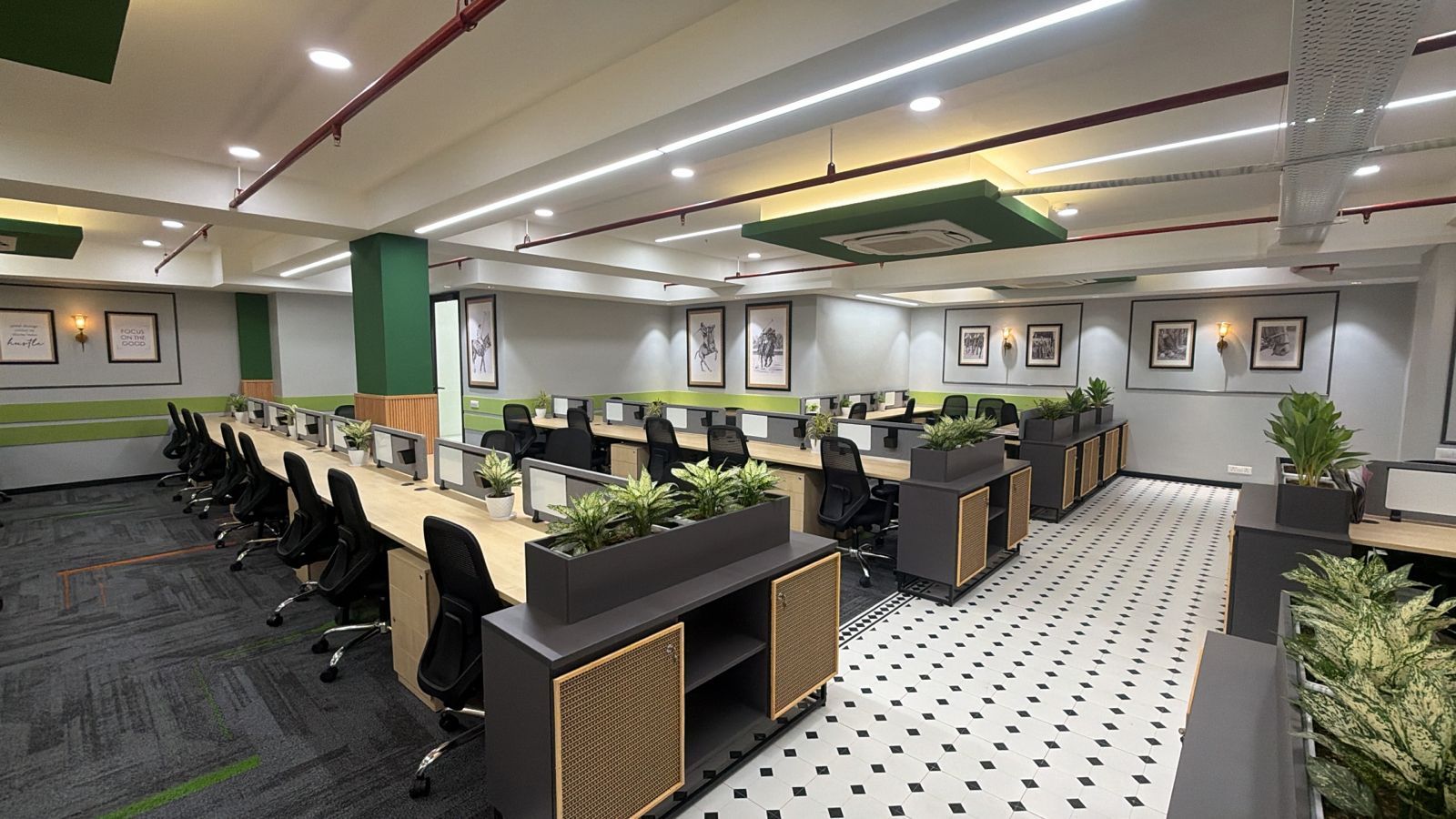
Gurgaon rents are rising, but smart occupiers are not panicking. They are adapting. They are taking smaller footprints that work better, building flexibility into their strategy, and negotiating lease structures that match real business uncertainty. With India’s office market continuing to show strong leasing momentum and rentals under upward pressure in many corridors, this approach is becoming less of a “nice idea” and more of a competitive advantage.
Workspace8 Jan 2026 · Sarthhak Kaluucha · 7 min read
 Workspace
5 Jan 2026 · Sarthhak Kaluucha · 9 min read
 Workspace
2 Jan 2026 · Sarthhak Kaluucha · 7 min read
Ready to move your team?
Fully-managed private offices across Gurgaon's prime corridors — move-in ready, fully serviced, sized for your team.