 Workspace
24 Jun 2025 · Udit Chauhan · 4 min read

Workspace
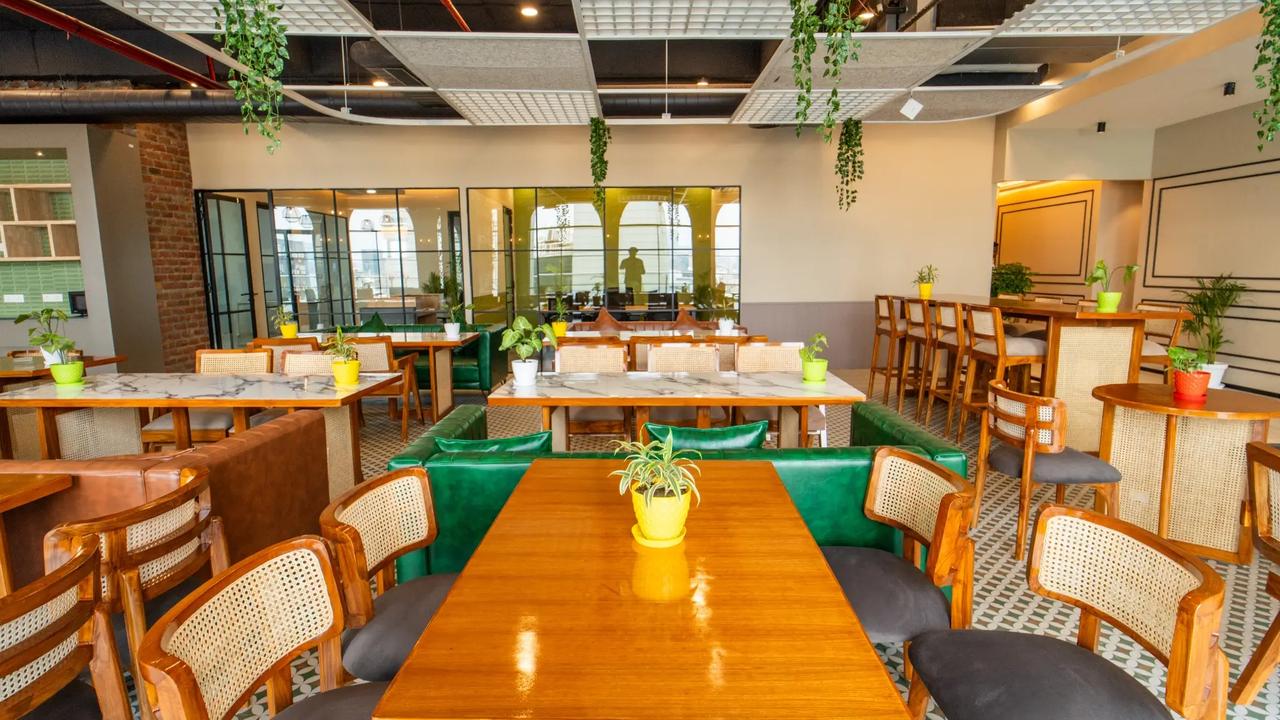
Remember when “wellbeing” at work meant a ping-pong table, a dusty yoga mat, and a poster about posture? Those token gestures feel prehistoric now. Over the past five years—super-charged by the pandemic—wellbeing has moved from the perk column to the profit-and-loss statement. CFOs scrutinise the cost of sick days, CHROs fight for talent, and managers juggle hybrid schedules that turn nine-to-five into a Möbius strip.
So, what actually works? Below are five evidence-backed trends reshaping offices in 2025. They aren’t fads pulled from a glossy design catalogue; they’re practical, measurable shifts backed by global studies and real company results. Sprinkle them into your workplace strategy and you’ll see happier faces, steeper productivity curves and, yes, a healthier bottom line.
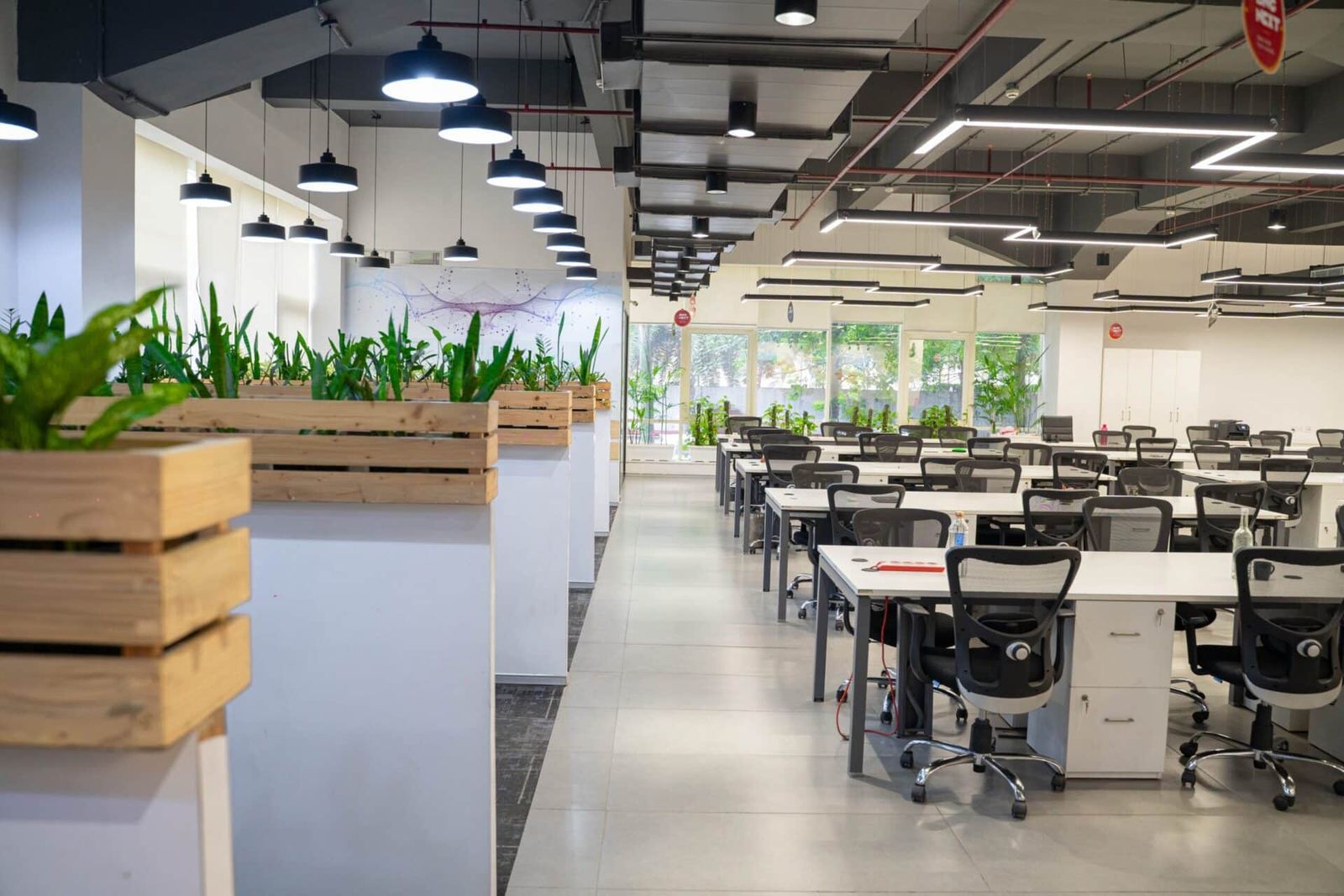
Enter an office filled with natural light, green palms and a roiling water wall and you can almost feel your shoulders unwind. Humans have spent 99.9 percent of our existence living in nature, so our brains still search for foliage and sun as "safes." Biophilic design leverages that urge in the office.
The Human Spaces global biophilic design report set up offices with lots of natural content have a 15 percent improvement in the well-being of employees and a 6 percent increase in productivity. Those are figures that translate to millions of rupees worth of extra production per year.
You don't need a jungle atrium. Begin with:
Within a month you’ll notice fewer headaches, livelier brainstorming and Instagram-worthy corners that double as employer-branding gold.
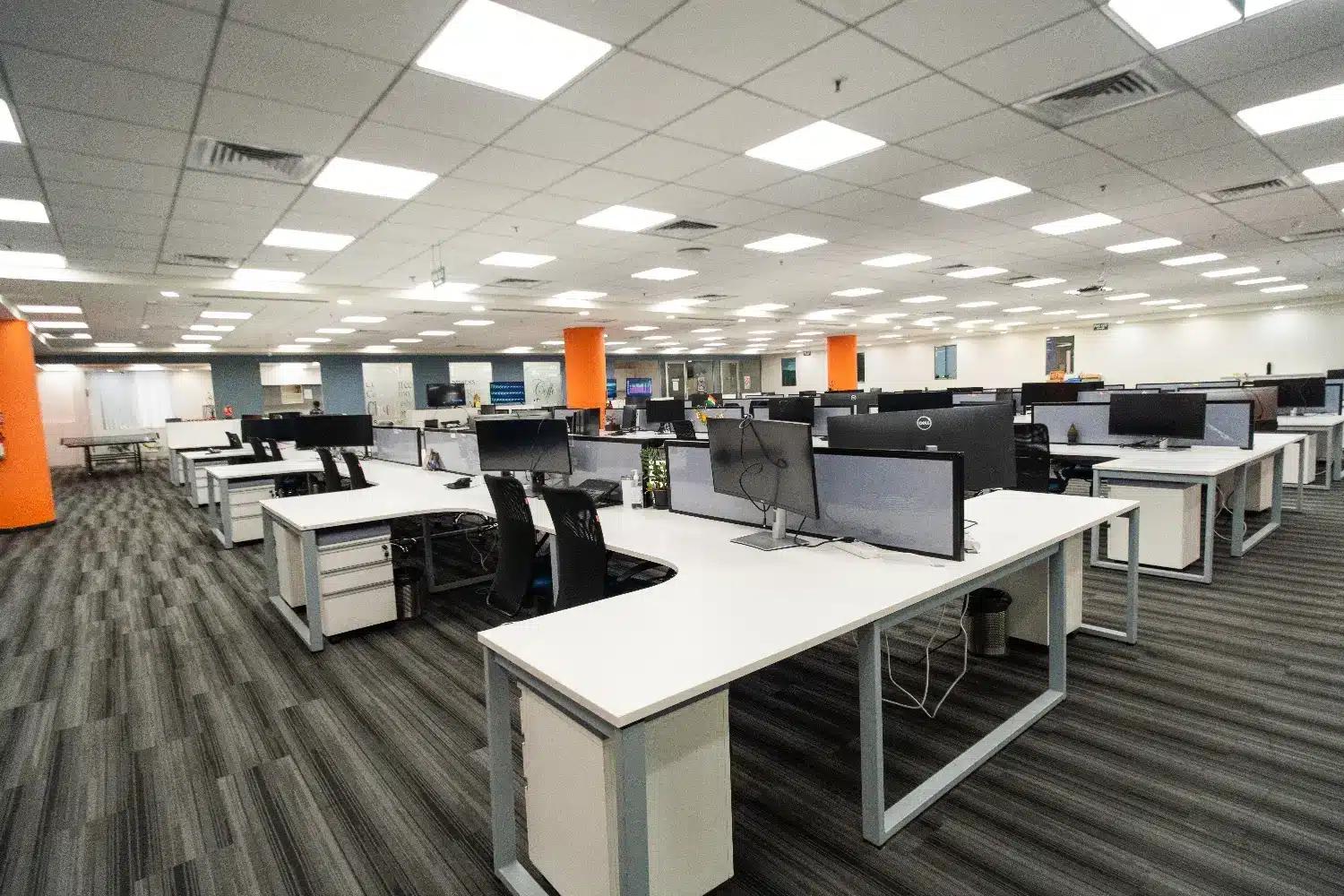
Task variety has gone through the roof. One hour we need heads-down focus, the next we are knee-deep in a design sprint and by lunchtime we are leading interns. A rigid grid of cubicles just can't stretch fast enough. Hello, world of hot desks, movable walls and multi-use nooks.
A Deloitte workplace flexibility report revealed a 30 percent boost in employee satisfaction and a 20 percent boost in cross-team collaboration after companies adopted activity-based working.
When Deloitte re-drafted its Amsterdam office to these principles, the floor plan reduced by 20 percent but accommodated 30 percent more project teams. Flexibility, it appears, is square-footage magic.
Back pain is the new smoking—quiet, persistent and expensive. Poor posture drains energy and shoots absences into the stratosphere, while wonderful ergonomics capture attention like an IV of caffeine.
A TinyPulse employee-retention survey shows workers with sit-stand workstations are 32 percent less likely to look for a new job. Intel's global ergonomics program—documented on its corporate website—reduced musculoskeletal claims and paid for itself in one year in reduced health insurance costs.
Implement these basics and you’ll hear a collective sigh of relief—sometimes literally.
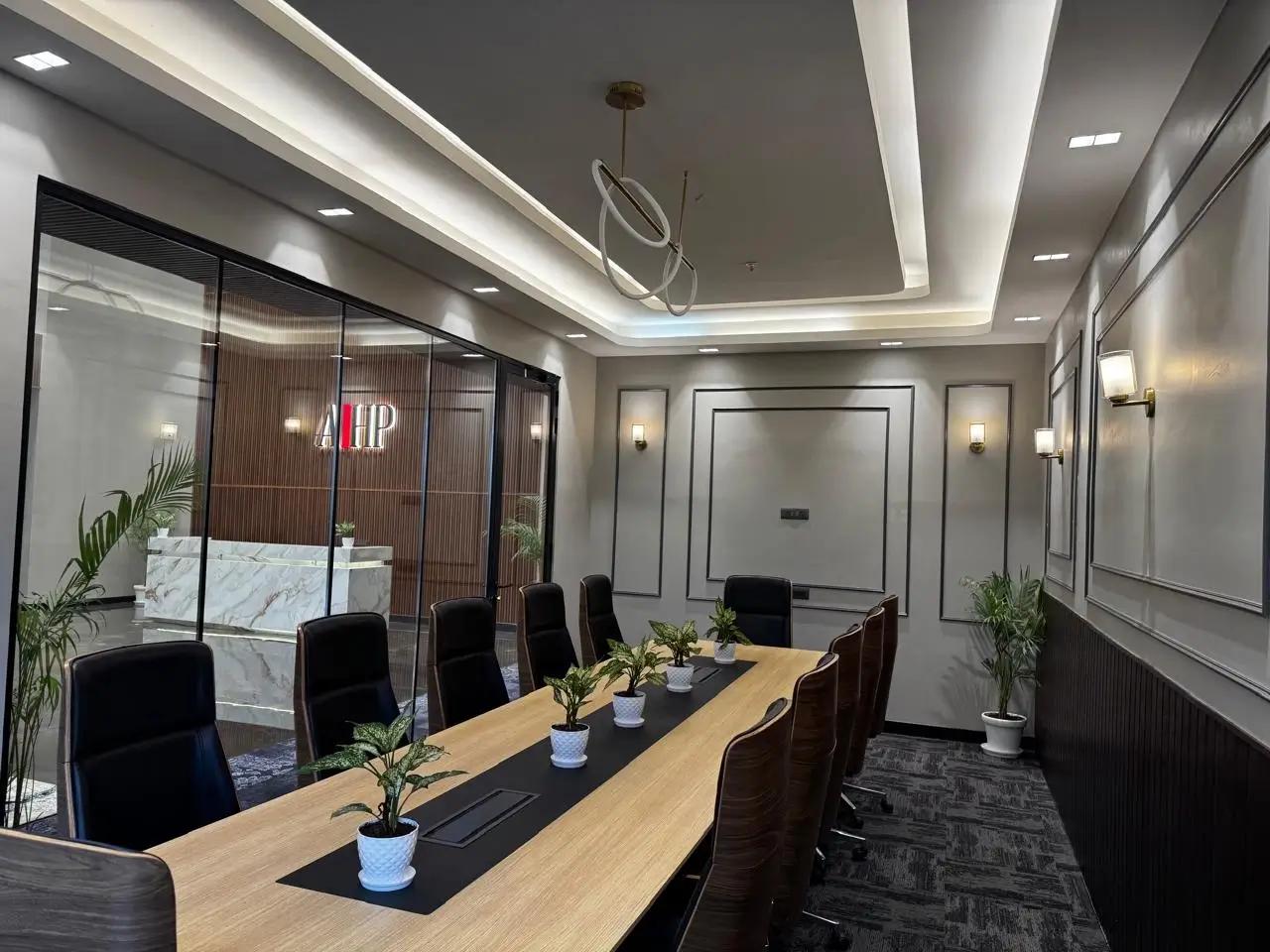
Technology is not just for dashboards and deadlines. Technology can be the unobtrusive guardian of health—regulating air quality, reminding to stretch, dimming lights as evening fatigue looms.
Cisco's San Jose smart-building initiative—chronicled in a Cisco case study—enmeshed IoT sensors with HVAC and lighting. Employees slept better and were brighter-eyed at noon, and the facilities team received a 20 percent energy-savings bonus.
PwC's "Seeing is believing" VR research found virtual-reality mindfulness training builds confidence four times faster than classrooms. Imagine slipping a headset on for a five-minute guided beach meditation before a high-pressure client pitch: heart rate lowered, creative juices pumping.
Noise burnout does. Burnout does too. Quiet spaces, prayer rooms and mindfulness areas give employees permission to take a step back. Accenture's mindful performance initiative repurposed old storage rooms as zen rooms; in one quarter, stress-level surveys dropped and project throughput increased.
Even a 4 m² alcove can be sanctum if carefully curated. Imagine it as an emotional circuit-breaker: five minutes in, staff reappear rebooted.
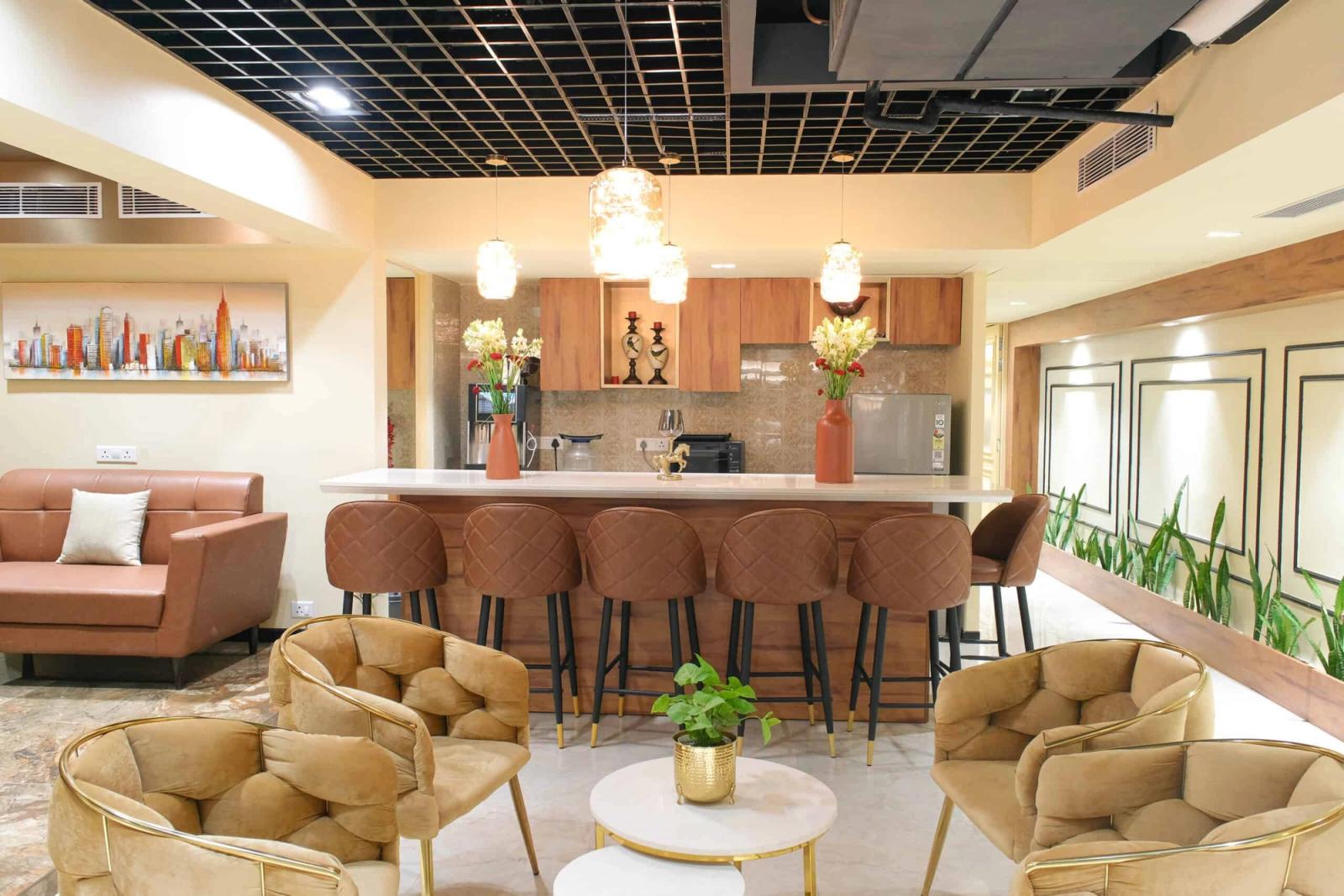
Offices are more than real-estate line items; they’re the biosphere where ideas germinate and cultures bloom. Embrace biophilia, flexibility, ergonomics, wellness tech and mental-health sanctuaries, and you’ll craft an environment where people don’t just work—they thrive.
Want to see and experience a workplace designed for wellbeing? Contact AIHP to book a tour. Our Gurgaon managed offices incorporate these trends into each square metre—zero CapEx, zero stress, happier humans, and healthier balance sheets.
Workspace24 Jun 2025 · Udit Chauhan · 4 min read
 Workspace
20 Jun 2025 · Udit Chauhan · 6 min read
 Workspace
18 Jun 2025 · Udit Chauhan · 4 min read
Ready to move your team?
Fully-managed private offices across Gurgaon's prime corridors — move-in ready, fully serviced, sized for your team.