 Workspace
29 May 2026 · Sarthhak Kaluucha · 11 min read

Workspace
TL;DR
Golf Course Extension Road (GCER) has shifted from a premium residential address into one of Gurgaon's fastest-growing commercial corridors. Rent runs ₹100-130/sq ft for Grade A — 10-15% below Golf Course Road. Modern buildings, Southern Peripheral Road access, and a residential-quality environment around the office make it the corridor of choice for BFSI, consulting, and GCC operators prioritising quality over pure cost. Listen to this article on
Ten years ago, Golf Course Extension Road was where Gurgaon's senior professionals lived, not where they went to work. Premium residential towers, golf courses, and five-star hotels defined the strip. Commercial development was sparse and largely unplanned.
That story has changed substantially. GCER is now one of Gurgaon's most actively leased commercial corridors, attracting BFSI companies, consulting majors, GCC operations, and technology firms that want the quality of Golf Course Road without paying Golf Course Road prices.
The corridor offers something genuinely different from Udyog Vihar or Cyber City: newer buildings in a mixed-use environment where the area around the office is pleasant to be in. According to Knight Frank India's office market research, South Gurgaon corridors including GCER have recorded consistent absorption growth over the past three years, driven by GCC expansion and BFSI sector demand.
Golf Course Extension Road runs south from Sohna Road through Sectors 57-69, eventually connecting to the Southern Peripheral Road (SPR) and beyond toward Faridabad. The corridor's commercial character emerged from three overlapping forces.
GCER first attracted premium residential development — DLF, M3M, Sobha, and Emaar built large-format luxury housing along the corridor. These residents created immediate demand for retail, F&B, and professional services within the corridor. Commercial development followed residents, not the other way around.
This sequencing matters. Unlike industrial corridors that became commercial (Udyog Vihar), or purpose-built commercial zones (Cyber City), GCER's commercial layer sits on top of a genuinely liveable residential environment. Employees working here have access to better neighbourhood infrastructure — restaurants, gyms, schools, hospitals — than in most Gurgaon commercial zones.
The Southern Peripheral Road changed GCER's commercial calculus. SPR runs parallel to GCER and connects NH-48 (Delhi-Jaipur Expressway) to NH-248A (Gurgaon-Sohna Road), creating a high-speed internal connector across South Gurgaon. As the emerging micro-markets analysis covered, SPR has materially improved accessibility across South Gurgaon, and GCER is one of the primary beneficiaries.
From GCER, SPR provides access to Cyber City and Golf Course Road in 20-25 minutes, to NH-48 and Delhi in 30-35 minutes, and to Sohna Road and the broader South Gurgaon market in 15-20 minutes.
Institutional-grade commercial development by M3M (Urbana Business Park, Alpha Square), BPTP (Park Centra), and Bestech (Business Tower) brought credibility to GCER as a commercial address. When large developers with institutional capital invest in commercial stock in a corridor, it signals conviction that demand will sustain the supply. The track record has validated that thesis.
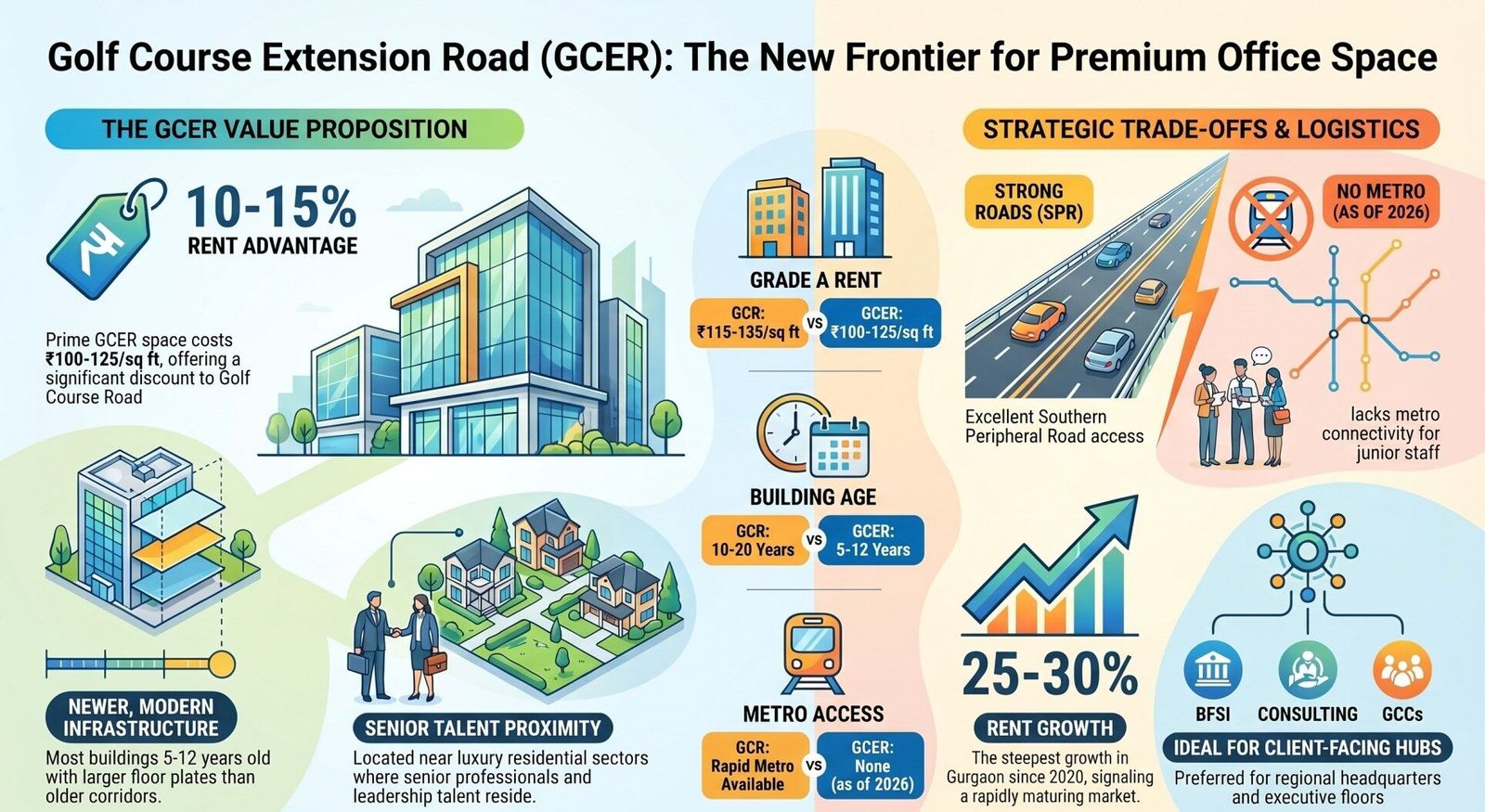
GCER's commercial appeal rests partly on its rent position relative to Golf Course Road — established premium, slightly lower cost, significantly newer buildings.
| Micro-Market | Grade A R ent (₹/sq ft) | Building Age | Vacancy |
|---|---|---|---|
| Golf Course Road | ₹115-135 | 10-20 years | 12-15% |
| GCER (prime) | ₹100-125 | 5-12 years | 10-14% |
| GCER (emerging) | ₹85-105 | 2-8 years | 14-18% |
| Sohna Road | ₹75-95 | 3-10 years | 16-20% |
The 10-15% rent discount to Golf Course Road reflects the maturity gap, not a quality gap. GCER buildings are newer — many delivered between 2018-2024 — with modern infrastructure, larger floor plates, and better parking ratios than established GCR stock. The total cost of occupation across GCER vs GCR often narrows further when CAM charges, power costs, and operational efficiency are factored in alongside base rent.
Vacancy on GCER sits slightly below GCR in prime buildings, reflecting strong absorption. The emerging GCER sections — farther from Sohna Road, closer to SPR — have higher vacancy and lower rents as they build up tenant density.
GCER's tenant mix is distinct from Udyog Vihar's IT/ITeS concentration or Cyber City's technology and consulting density. Three sectors dominate.
Banks, insurance companies, asset managers, and financial services firms have disproportionately chosen GCER. The corridor's premium positioning aligns with how financial services firms present themselves — client-facing quality, professional address, and the kind of environment that helps attract senior finance talent who often live in the South Gurgaon residential sectors nearby.
Mid-to-large consulting firms, legal practices, and professional services companies find GCER's positioning attractive. The corridor is accessible to both Gurgaon's corporate community and Delhi's client base via SPR and NH-48. It's less congested than Cyber City and less transactional-feeling than MG Road.
Global Capability Centres have been significant GCER absorbers, particularly for their India headquarters rather than purely operational back-office. GCCs establishing India HQ on GCER are signalling something to their global leadership and India talent market: this is a premium operation, not a cost centre. JLL India's GCC research consistently shows GCC demand concentrating in corridors that can offer both quality address and talent access — GCER satisfies both.
Product technology companies, SaaS businesses, and tech firms targeting enterprise clients have found GCER useful for their client-facing offices, executive floors, or regional India headquarters. Pure engineering and operations tend to go elsewhere — Udyog Vihar or Sector 32 — but the front-office and leadership layer often lands on GCER.
GCER's connectivity picture is genuinely mixed. It has real strengths and a significant gap.
The corridor's road connectivity is its primary asset. SPR provides a fast east-west route across South Gurgaon. NH-248A (Gurgaon-Sohna Road) runs along the corridor itself. NH-48 is accessible via SPR in 15-20 minutes. Cyber City, MG Road, and Golf Course Road are reachable in 20-30 minutes without entering Gurgaon's most congested zones.
For employees driving from South Gurgaon's residential sectors (57-67), commutes are 10-20 minutes. For those coming from Golf Course Road residential areas or Faridabad via NH-248A, 25-35 minutes. These are workable commutes for senior talent who typically drive.
GCER does not have metro connectivity as of 2026. This is the corridor's most significant limitation and the primary reason it has not displaced Golf Course Road entirely despite competitive rent and newer buildings.
Metro extension plans exist for South Gurgaon, but timeline certainty is limited. Companies where a significant portion of employees rely on public transport — typically junior and mid-level staff — face real challenges here. The commute impact analysis makes clear that metro access is the single biggest driver of talent satisfaction scores for office locations in Gurgaon.
The practical implication: GCER works well for companies where most employees drive, live in South Gurgaon residential sectors, or are senior enough that company transport is provided. It works poorly for companies hiring large volumes of junior staff from Delhi's public-transit-dependent population.
IGI Terminal 3 is 35-45 minutes from GCER depending on traffic and specific building location — longer than Udyog Vihar (15-20 minutes) and comparable to Golf Course Road. Frequent business travelers should factor this in.
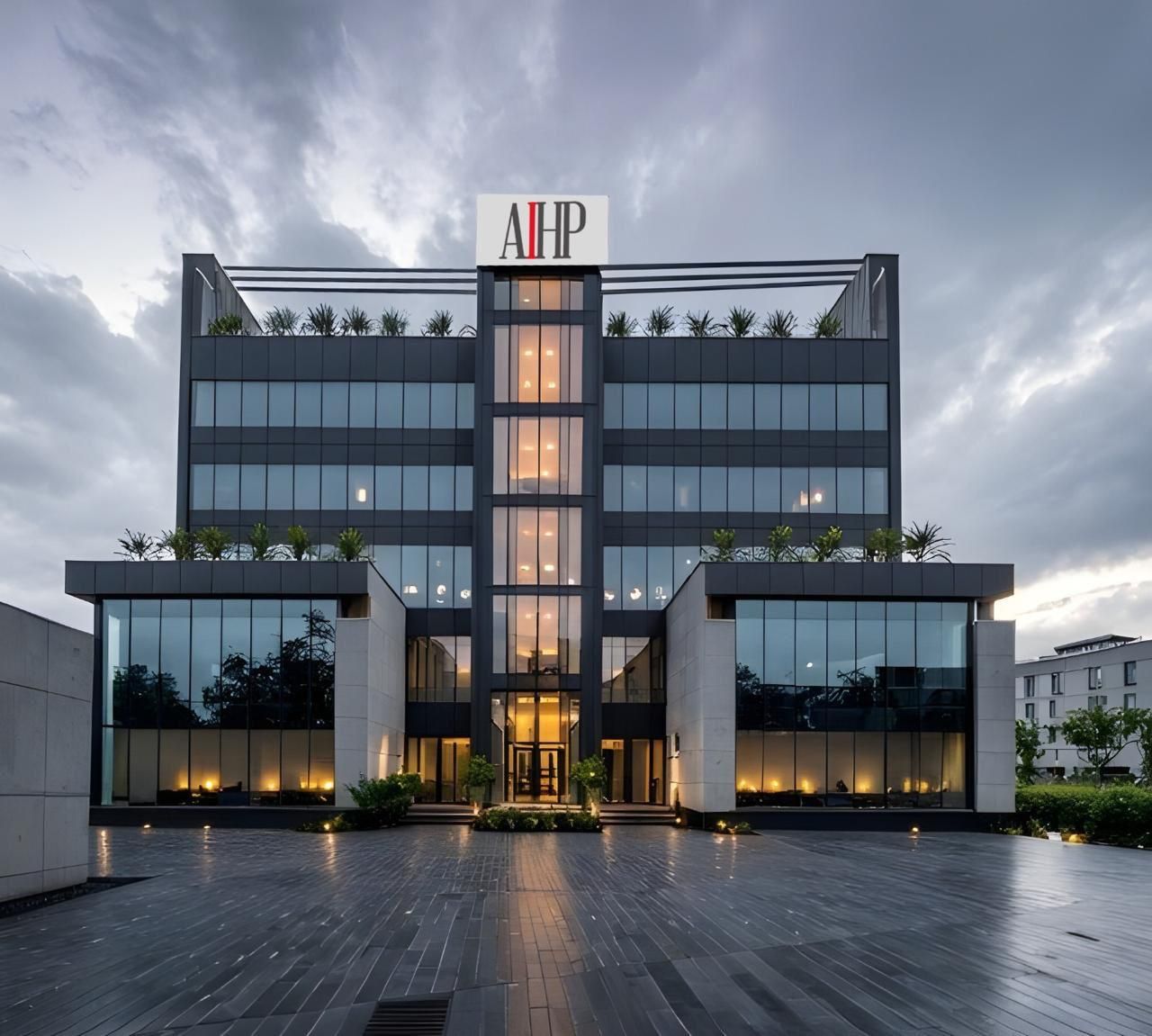
Understanding GCER means understanding which buildings anchor each part of the corridor.
M3M's commercial developments anchor the northern stretch of GCER near Sohna Road intersection. Urbana Business Park offers mixed retail and office in a walkable format unusual for Gurgaon. Alpha Square provides Grade A office with large floor plates suited for 150-500 seat operations. Both developments benefit from established residential density in the immediate vicinity.
Park Centra is a landmark commercial development on GCER with a hotel component integrated. The development has attracted institutional tenants and provides IT parks with STPI registration — relevant for export-oriented IT companies accessing IT-specific incentives.
Bestech's commercial tower is a landmark on the corridor with established Grade A tenancy, good building specifications, and strong institutional backing. The development exemplifies what institutional developers have brought to GCER — quality that matches or exceeds comparable GCR buildings at lower rent.
AIHP's presence on GCER is through AIHP One — an owned building offering managed office space on the corridor. AIHP One operates on the same model as AIHP's Udyog Vihar portfolio: zero upfront CapEx, 60-day delivery, fully managed operations. For companies evaluating GCER who want the corridor's positioning without the traditional lease complexities — security deposits, fit-out management, vendor coordination — AIHP One provides a direct path. View availability at AIHP One.
The most common decision GCER forces is the comparison with Golf Course Road. Here is how the two corridors differ in ways that matter for operational decisions.
| Factor | Golf Course Road | Golf Course Extension Road |
|---|---|---|
| Rent (Grade A) | ₹115-135/sq ft | ₹100-125/sq ft |
| Building Age | 10-20 years (older stock) | 5-12 years (newer stock) |
| Metro Access | Rapid Metro (limited) | None (2026) |
| Airport | 25-35 minutes | 35-45 minutes |
| Floor Plates | Smaller (5-15K sq ft typical) | Larger (10-30K sq ft typical) |
| Neighbourhood Quality | High | High (newer residential) |
| Brand Perception | Established premium | Emerging premium |
| Best For | Client-facing, finance, senior leadership | GCC HQ, BFSI, consulting, tech leadership |
The summary: choose GCR if metro access is essential, airport proximity matters, or brand perception requires an established address. Choose GCER if newer buildings, larger floor plates, and 10-15% lower rent outweigh the metro gap — which for driving-dependent senior teams, it often does.
GCER rents have moved from ₹80-95/sq ft in 2020 to ₹100-130/sq ft in 2026 for prime buildings — a 25-30% increase over five years. This is the steepest rent growth of any Gurgaon commercial corridor during the same period, according to CBRE India's Gurgaon office market data.
What drives this: a genuine supply-demand imbalance. GCER added commercial supply faster than competing corridors but saw demand growth outpace supply as GCC expansion, BFSI growth, and tech companies' India HQ decisions concentrated in South Gurgaon.
The trajectory has two implications. First, companies leasing now on 3-9 year terms are locking in 2026 rents before further escalation. Second, the corridor's maturation trajectory suggests that the current 10-15% discount to GCR is likely to compress as the corridor establishes itself — making early movers the relative beneficiaries.
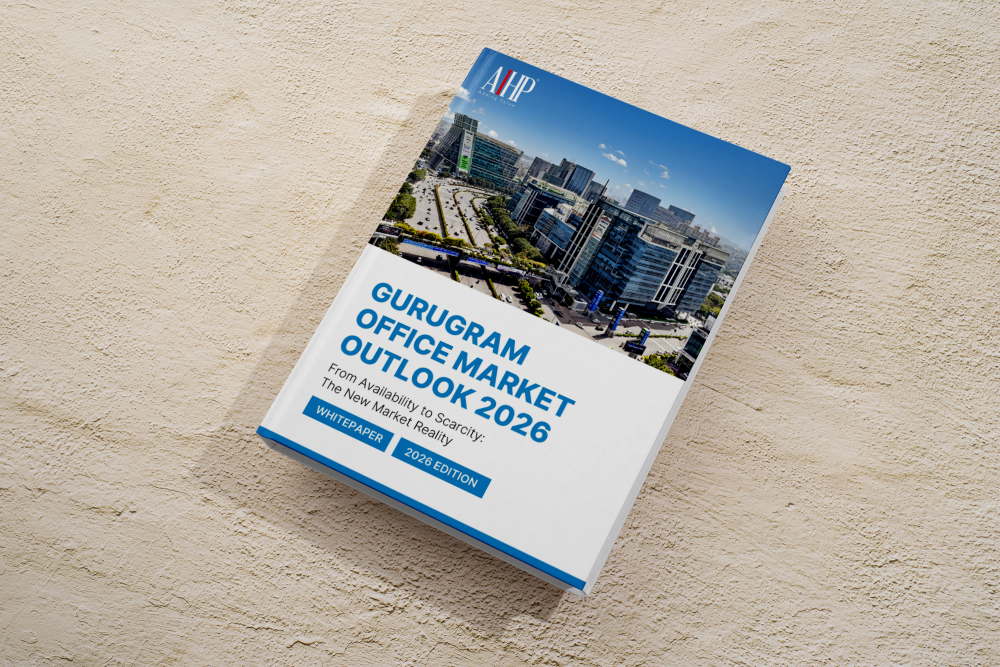
📥 RESOURCE: Download the Gurugram 2026 Office Market Outlook for detailed GCER supply pipeline, rent forecasts, and absorption data across all Gurgaon micro-markets. Download the Market Outlook →
Golf Course Extension Road is the right choice for a specific kind of company: one that needs premium positioning, modern buildings, large floor plates, and a South Gurgaon talent catchment — but doesn't depend on metro access and isn't fixated on an established Gurgaon address.
BFSI companies, GCC operations establishing India HQ, consulting practices, and technology firms targeting senior professionals from South Gurgaon's residential sectors are natural fits. Companies heavily dependent on metro-reliant junior staff, or those where airport proximity is a daily operational requirement, will find Golf Course Road or Udyog Vihar better suited.
The corridor is still maturing. That means higher vacancy in emerging sections, some variation in building quality, and the metro gap likely to persist for several more years. But it also means companies entering GCER now are entering before the discount closes — establishing premium address at emerging-premium pricing. That positioning window will not stay open indefinitely. View AIHP's Golf Course Extension Road availability or compare with the full Gurgaon micro-market overview to evaluate fit.
For companies assessing GCER and wanting to understand how it aligns with their team geography, budget, and growth plans, get in touch with AIHP.
Workspace29 May 2026 · Sarthhak Kaluucha · 11 min read
 Workspace
26 May 2026 · Sarthhak Kaluucha · 13 min read
 Workspace
22 May 2026 · Sarthhak Kaluucha · 14 min read
Ready to move your team?
Fully-managed private offices across Gurgaon's prime corridors — move-in ready, fully serviced, sized for your team.